 63 citations
,
May 2000 in “Australasian Journal of Dermatology”
63 citations
,
May 2000 in “Australasian Journal of Dermatology” Chemotherapy and bone marrow transplant can cause permanent hair loss.
 40 citations
,
August 2006 in “Current Drug Safety”
40 citations
,
August 2006 in “Current Drug Safety” Some drugs can cause hair loss, excessive growth, or color changes, often reversible but sometimes permanent.
 23 citations
,
December 2015 in “Anais Brasileiros de Dermatologia”
23 citations
,
December 2015 in “Anais Brasileiros de Dermatologia” Permanent hair loss after bone marrow transplant can be caused by chemotherapy or chronic graft-versus-host disease.
 16 citations
,
March 2017 in “Bone Marrow Transplantation”
16 citations
,
March 2017 in “Bone Marrow Transplantation” Some children who had stem cell transplants developed permanent hair loss, especially when treated with a drug called busulphan.
 14 citations
,
January 2013 in “Journal of Cutaneous Medicine and Surgery”
14 citations
,
January 2013 in “Journal of Cutaneous Medicine and Surgery” Some cancer treatments can cause permanent hair loss.
2 citations
,
June 2024 in “JAAD reviews.” Some drugs can cause permanent hair loss, though it's rare.
 32 citations
,
August 2019 in “Nature Communications”
32 citations
,
August 2019 in “Nature Communications” Chemotherapy causes permanent hair follicle damage by triggering stem cell loss.
 7 citations
,
March 2018 in “Journal of The American Academy of Dermatology”
7 citations
,
March 2018 in “Journal of The American Academy of Dermatology” Skin changes like hair loss, white patches, and nail changes are common in children after bone marrow transplants, often linked to chronic rejection.
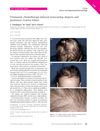 5 citations
,
March 2015 in “Clinical and Experimental Dermatology”
5 citations
,
March 2015 in “Clinical and Experimental Dermatology” Chemotherapy caused a woman's permanent hair loss and early menopause.
 1 citations
,
January 2021 in “Skin appendage disorders”
1 citations
,
January 2021 in “Skin appendage disorders” Chemotherapy patients don't all lose their hair due to factors like hair growth rates, age, genetics, and the type of drugs used.
April 2026 in “Actas Dermo-Sifiliográficas” Scalp cooling and minoxidil can help manage hair loss after chemotherapy.
 August 2018 in “Journal of the American Academy of Dermatology”
 Patients often experience long-lasting changes to their hair after stem cell transplants.
 December 2017 in “Revista da Sociedade Portuguesa de Dermatologia e Venereologia”
 Topical minoxidil may help regrow hair after permanent hair loss from chemotherapy.
 January 2018 in “General internal medicine and clinical innovations”
 Busulfan/cyclophosphamide and total bone irradiation are equally effective for AML transplants.
 7 citations
,
May 2014 in “Clinical practice”
7 citations
,
May 2014 in “Clinical practice” Cooling the scalp may prevent hair loss from chemotherapy, hair often grows back after treatment, and nail issues usually improve after stopping the drug.
 68 citations
,
May 2012 in “Annals of Oncology”
68 citations
,
May 2012 in “Annals of Oncology” Some breast cancer chemotherapy can cause permanent hair loss.
 64 citations
,
July 2011 in “Dermatologic Therapy”
64 citations
,
July 2011 in “Dermatologic Therapy” Scalp cooling can prevent chemotherapy-induced hair loss, and certain treatments can speed up hair regrowth, but more research is needed for better treatments.
January 2020 in “Revista Dermatológica Centro Uraga” Recognizing trichoscopic features is crucial for diagnosing various hair loss conditions.
 172 citations
,
November 1983 in “Journal of The American Academy of Dermatology”
172 citations
,
November 1983 in “Journal of The American Academy of Dermatology” Chemotherapy can cause skin problems like hair loss, mouth sores, and skin darkening, and recognizing these can affect treatment decisions.
 36 citations
,
May 2015 in “Australasian Journal of Dermatology”
36 citations
,
May 2015 in “Australasian Journal of Dermatology” Low dose oral minoxidil helps regrow hair in permanent chemotherapy-induced alopecia.
 18 citations
,
December 1996 in “Seminars in Cutaneous Medicine and Surgery”
18 citations
,
December 1996 in “Seminars in Cutaneous Medicine and Surgery” Chemotherapy and cytokine therapy can cause various skin reactions, including hair loss and hypersensitivity.
 3 citations
,
December 2011 in “Pediatric Dermatology”
3 citations
,
December 2011 in “Pediatric Dermatology” The patient's long-term hair loss was caused by leukemia treatments and low estrogen levels, worsened by her genetic tendency for hair loss.
 2 citations
,
June 2018 in “Clinical and Experimental Dermatology”
2 citations
,
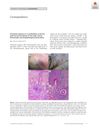
June 2018 in “Clinical and Experimental Dermatology” Permanent hair loss after a stem cell transplant can be a sign of chronic immune system attack on the scalp.
 2 citations
,
May 2018 in “Australasian Journal of Dermatology”
2 citations
,
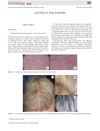
May 2018 in “Australasian Journal of Dermatology” Some patients' hair grew back black and white after chemotherapy.
 1 citations
,
January 2018 in “Springer eBooks”
1 citations
,
January 2018 in “Springer eBooks” The document concludes that scalp cooling and treatments like minoxidil can help manage hair loss from cancer therapy.

Donor lymphocyte infusions effectively treated leukemia relapse but caused vitiligo and alopecia areata.
 November 2011 in “Australasian Journal of Dermatology”
 Cellulite may be linked to low adiponectin, isotretinoin with UVB can treat psoriasis effectively, permanent alopecia post-chemotherapy resembles a unique hair loss, deodorants may cause fragrance allergies, desmoplastic melanoma is becoming more common, and intensive UVB treatment can give long-term psoriasis remission.
Some supplements may help reduce side effects of cancer treatments in pets.
 159 citations
,
September 2001 in “European Journal of Cancer Care”
159 citations
,
September 2001 in “European Journal of Cancer Care” Chemotherapy-induced hair loss significantly affects patients' well-being, and nurses are key in helping them cope, but more research is needed to find effective treatments.
 103 citations
,
December 2011 in “Journal of the American Academy of Dermatology”
103 citations
,
December 2011 in “Journal of the American Academy of Dermatology” Chemotherapy often causes temporary hair loss, which is distressing and needs better treatment and support.