Search
for
Sort by
Research
180-210 / 1000+ resultsresearch Calcitriol-Resistant Rickets With Alopecia
Calcitriol-resistant rickets is an inherited disorder that affects hair growth and causes hair loss.
research Calcitriol-resistant rickets with alopecia
Calcitriol-resistant rickets is an inherited disorder that affects hair growth and causes hair loss.
research Oral calcitriol in the treatment of scleroderma 'en coupe de sabre'
Oral calcitriol helped improve scleroderma and hair regrowth in a young woman.
research Calcitriol ointment in the treatment of facial, hairline and retroauricular chronic plaque psoriasis
The ointment is a safe, effective, and well-tolerated treatment for certain types of psoriasis.
research A phase I safety study of topical calcitriol (BPM 31543) for the prevention of chemotherapy-induced alopecia (CIA).
Topical calcitriol is safe for preventing hair loss during chemotherapy.
research Safety, tolerability, and PK of topical calcitriol formulation for treatment of chemotherapy-induced alopecia (CIA) in patients receiving taxane-based regimen: Final results.
Topical calcitriol was safe and well-tolerated for potential hair loss prevention in chemotherapy patients.

research A phase I safety study of topical calcitriol (BPM31543) for the prevention of chemotherapy-induced alopecia (CIA): Final study results
Topical calcitriol (BPM31543) is safe for preventing hair loss from chemotherapy and shows some effectiveness.
research Effects of calcitriol combined with metformin in the treatment of polycystic ovary syndrome and its influence on serum monocyte chemotactic factor -1
Calcitriol and metformin together are more effective for treating PCOS and lowering MCP-1 than metformin alone.
research Abstract P5-11-11: A phase I safety study of topical calcitriol (BPM31543) for the prevention of chemotherapy-induced alopecia (CIA)
Topical calcitriol appears safe and may reduce hair loss during chemotherapy.
research Calcitriol and Alopecia—Is it the Hair Apparent?
research Efficacy and safety of topical calcipotriol in management of alopecia areata: A pilot study
Topical calcipotriol may help treat alopecia areata, especially in those with low vitamin D.
research Topical calcipotriol vs narrowband ultraviolet B in treatment of alopecia areata: a randomized-controlled trial
Both topical calcipotriol and narrowband UVB improved alopecia, but combining them didn't enhance the effect on hair loss severity, despite higher vitamin D3 levels.
research Successful Treatment of Alopecia Totalis with Topical Calcipotriol: Serial Case Report and Review of the Literature
Topical calcipotriol successfully treated hair loss in three patients with Alopecia Totalis.
research Topical calcitriol (BPM31543) for the prevention of chemotherapy-induced alopecia (CIA): Efficacy findings from a phase I safety study.
Topical calcitriol may reduce hair loss from chemotherapy at higher doses.
research Noncalcemic actions of 1,25-dihydroxyvitamin D3 and clinical applications
Vitamin D3 is important for bone health and may help treat various diseases beyond bone-related conditions.

research 'Atrophic telogen effluvium' from cytotoxic drugs and a randomized controlled trial to investigate the possible protective effect of pretreatment with a topical vitamin D3 analogue in humans
Topical vitamin D3 does not prevent hair loss from chemotherapy.
research Successful etanercept therapy in therapy refractory acrodermatitis continua suppurativa Hallopeau
Etanercept effectively treated a severe skin condition when other treatments failed.
research The Epidermal Vitamin D System and Innate Immunity: Some More Light Shed on This Unique Photoendocrine System?
Vitamin D made by the skin plays a role in immune defense and skin health, and more research is needed to understand its full effects.
research Vitiligo: an evidence-based update. Report of the 13th Evidence Based Update Meeting, 23 May 2013, Loughborough, U.K.
The meeting concluded with optimism about increasing research and better management of vitiligo.
research Treatment of alopecia totalis/universalis/focalis with vitamin D and analogs: Three case reports and a literature review
Vitamin D might help treat some types of hair loss, but more research is needed.
research Prevalence of Low Serum Vitamin D Levels in Patients Presenting With Androgenetic Alopecia: A Review
Low vitamin D levels are linked to hair loss, and vitamin D might help treat it.
research Unilateral nevoid hyperkeratosis of the nipple and areola in a Saudi female
Calcipotriol cream reduced skin thickening and itching in a rare nipple condition.

research Hair and Nail Manifestations of Systemic Disease
Early baldness in men may indicate risks for obesity, metabolic syndrome, insulin resistance, and heart disease, similar to women with PCOS. Alopecia areata is often linked with autoimmune diseases and mental health issues. Certain hair disorders are due to genetic issues, and chemotherapy can cause hair loss through specific biological pathways. Iron deficiency's link to hair loss is still disputed.
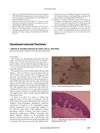
research Docetaxel-induced Psoriasis
Docetaxel, a chemotherapy drug, was reported to cause psoriasis in a patient for the first time.
research Dermatological drugs, topical agents, and cosmetics
The document concluded that various dermatological treatments have different effectiveness and side effects, with some causing irritation, allergic reactions, or systemic effects.
research Vitamin D and Alopecia Areata: From Mechanism to Therapeutic Implications
Vitamin D may help reduce severity and relapse of alopecia areata.
research Deficiency Pattern and Responsiveness in Clinical Settings in Discovering the Correlation between Vitamin D Analogues and Hair Growth in Alopecia Areata
Vitamin D analogues can significantly help hair regrowth in Alopecia Areata patients.

research Reply to “Vitamin D status in scarring and nonscarring alopecia”
The document suggests using a topical Vitamin D treatment for hair loss rather than oral supplements and calls for more research.
research Trachyonychia with juvenile pityriasis rubra pilaris
A young boy with a rare skin and nail condition improved significantly with simple topical treatments.