37 citations
,
June 1996 in “Journal of cellular physiology” Retinoic acid, glucocorticoids, and IGF1 increase IGFBP-3 production in human dermal papilla cells, affecting hair growth.
January 2012 in “Zhongguo nongye Kexue” The technology can create transgenic cashmere goats with improved wool quality.
December 2014 in “Journal of Biomedical Research” Recombinant thymosin β4 promotes blood vessel growth and reduces muscle damage.
 July 2012 in “European journal of cancer”
 MPA increases cancer spread by boosting Eph A2 activity.
 14 citations
,
January 2008 in “Gene therapy”
14 citations
,
January 2008 in “Gene therapy” Gene therapy shows promise for enhancing physical traits but faces ethical, safety, and regulatory challenges.
 April 2023 in “The journal of investigative dermatology/Journal of investigative dermatology”
 A PTH-based treatment improved hair regrowth better than ruxolitinib in a mouse model of hair loss.
May 2019 in “Journal of clinical oncology” Topical calcitriol was safe and well-tolerated for potential hair loss prevention in chemotherapy patients.

Ca²⁺-mediated protein citrullination controls cell growth in the CNS and may help treat brain tumors.
 January 2022 in “bioRxiv (Cold Spring Harbor Laboratory)”
 Skin lesions in Carney complex are likely caused by a specific group of skin cells that promote pigment production due to a genetic mutation.
 1 citations
,
December 2018 in “Journal of genetic medicine”
1 citations
,
December 2018 in “Journal of genetic medicine” A small change in the TRPS1 gene leads to a less severe form of a syndrome affecting hair, nose, and finger development.
 December 2013 in “Appetite”
 A defective gene causes hair loss and taste insensitivity in BTBR mice.
 April 2024 in “The Journal of experimental medicine/The journal of experimental medicine”
 Treg cells help repair and regenerate tissues by interacting with local cells.
19 citations
,
September 2007 in “The Journal of Steroid Biochemistry and Molecular Biology” Glucocorticoid receptors help regulate genes important for skin health and hair growth.
1 citations
,
December 2023 in “International journal of molecular sciences” miR-199a-3p controls hair growth and is linked to alopecia areata.
 January 2008 in “Vestnik Tomskogo gosudarstvennogo universiteta Filologiya”
 Overexpressing the Tβ4 gene in goats can increase cashmere production.
 15 citations
,
June 2020 in “Experimental Dermatology”
15 citations
,
June 2020 in “Experimental Dermatology” Hormones and genes affect hair growth and male baldness.
 October 2023 in “Journal of the Endocrine Society”
 A woman's cyclic Cushing syndrome was caused by a tumor in her adrenal gland that produced ACTH.
4 citations
,
March 2018 in “Animal biotechnology” The LAMTOR3 gene is involved in cashmere goat hair growth and is affected by certain treatments and other genes.
January 2017 in “Enlighten: Publications (The University of Glasgow)” Activating β-catenin and inactivating PTEN cause follicular tumors, not papillomas, similar to those in Cowden’s Disease.
1 citations
,
April 2018 in “Journal of Investigative Dermatology” The Trichodysplasia spinulosa virus protein can cause abnormal hair growth in mice.
 April 2017 in “Journal of Investigative Dermatology”
 A virus protein can activate a pathway that may lead to abnormal hair follicle development.
 March 2012 in “Journal of The American Academy of Dermatology”
 Higher levels of certain nerve-related proteins are linked to hair loss in women with scalp pain.
July 2021 in “Plastic and reconstructive surgery. Global open” Radiation therapy in breast cancer patients changes gene expression related to DNA damage, fibroblast growth, and hair follicle development, which could help improve treatment for radiation-induced fibrosis.
January 2019 in “eScholarship (California Digital Library)” Thymus-derived Tregs, not peripherally-derived Tregs, primarily regulate type 1 diabetes in the NOD mouse model.
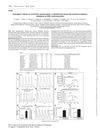 October 2019 in “European heart journal”
 Androgen-deprivation therapies increase the risk of certain heart conditions, but testosterone treatment may help.
 May 2022 in “Journal of Immunology”
 A parasite molecule can speed up skin healing and reduce scarring.
September 2025 in “Journal of the American Academy of Dermatology” Ritlecitinib may help treat alopecia areata by protecting hair follicles.
 40 citations
,
April 2014 in “Genes & Development”
40 citations
,
April 2014 in “Genes & Development” Hormones during pregnancy and lactation keep skin stem cells inactive, preventing hair growth.

Dacomitinib can cause nail and skin issues, but these can be managed without stopping the drug.

Applying thyroid hormones to the scalp can help hair grow.