
Modern skin cancer treatments can cause skin side effects and hair loss, affecting patients' quality of life.
 October 2014 in “Cancer Research”
 A new topical treatment may prevent hair loss from cancer therapy by adjusting cell death processes in hair follicles.
 16 citations
,
March 2015 in “Clinical Cancer Research”
16 citations
,
March 2015 in “Clinical Cancer Research” The document concludes that side effects from Smoothened inhibitor drugs for skin cancer are reversible and can be managed with a team approach to maintain quality of life.
 1 citations
,
May 2021 in “Scientific Reports”
1 citations
,
May 2021 in “Scientific Reports” Certain cancer drugs are strongly linked to nerve damage, requiring close monitoring and early treatment.
 2 citations
,
August 2023 in “Autophagy”
2 citations
,
August 2023 in “Autophagy” Autophagy helps control skin inflammation and cancer responses and regulates hair growth by affecting stem cell activity.

Lifestyle factors like BMI at young adulthood can increase cancer risk in women with Lynch Syndrome, but diet and height don't seem to affect this risk.
54 citations
,
February 2002 in “Carcinogenesis” Increasing SSAT makes skin more prone to cancer.
 9 citations
,
December 2014 in “British Journal of Dermatology”
9 citations
,
December 2014 in “British Journal of Dermatology” Hedgehog pathway inhibitors used for skin cancer can cause significant hair loss, which may improve after stopping the medication.
 5 citations
,
June 2012 in “The journal of investigative dermatology/Journal of investigative dermatology”
5 citations
,
June 2012 in “The journal of investigative dermatology/Journal of investigative dermatology” Putting thymidine dinucleotide on newborn mice's skin can delay and reduce skin cancer.
2 citations
,
September 2018 in “JAAD case reports” A rare type of skin cancer with mucosal involvement was partially treated but eventually relapsed.
 June 2015 in “Reactions Weekly”
 A man developed alopecia areata after starting cancer treatment with vandetanib.
 June 2006 in “American Journal of Epidemiology”
 Long-term diabetes is linked to lower prostate cancer risk.
April 2004 in “Medisch-Farmaceutische Mededelingen” Finasteride may help reduce prostate cancer risk.
3 citations
,
October 2024 in “Archives of Dermatological Research” Alopecia areata is linked to blood cancers, especially in older patients, but not to most solid cancers.
66 citations
,
February 2002 in “Veterinary dermatology” Malassezia in cat skin biopsies may indicate internal cancer.
 45 citations
,
October 2009 in “Dermatology”
45 citations
,
October 2009 in “Dermatology” Half of the patients treated with a specific drug for skin cancer experienced hair loss not related to the drug's dosage.
24 citations
,
July 1983 in “Journal of steroid biochemistry/Journal of Steroid Biochemistry” Cyproterone acetate is used to treat conditions like prostate cancer, early puberty, excessive sexual drive, and female androgenization by blocking male sex hormones.
 23 citations
,
February 2004 in “Clinical and Experimental Ophthalmology”
23 citations
,
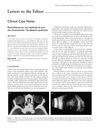
February 2004 in “Clinical and Experimental Ophthalmology” A boy with chromosome 13q deletion syndrome developed eye cancer, a woman with breast cancer lost vision due to a rare side-effect of her treatment, a man's vision worsened after using a hair loss drug, and two rare disorders were discussed. Optical Coherence Tomography is useful for diagnosing and monitoring these conditions.
22 citations
,
March 2017 in “Journal of the Formosan Medical Association” The guidelines help doctors manage skin problems from certain cancer treatments to improve patients' lives.
 13 citations
,
February 2004 in “Clinical and Experimental Ophthalmology”
13 citations
,
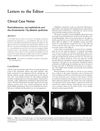
February 2004 in “Clinical and Experimental Ophthalmology” A baby boy with 13q deletion syndrome had eye cancer, a woman's vision improved after stopping a breast cancer drug, a man developed cataracts from using Propecia, and a rare skin disorder called Lipoid Proteinosis was discussed. Also, a tool called OCT is useful for diagnosing macular diseases.
 6 citations
,
July 2011 in “British Journal of Dermatology”
6 citations
,
July 2011 in “British Journal of Dermatology” A man with KID syndrome developed a rare cancer in a long-term skin infection.
 50 citations
,
January 2013 in “Indian Journal of Dermatology”
50 citations
,
January 2013 in “Indian Journal of Dermatology” Some skin conditions, like psoriasis and early-onset baldness, may indicate metabolic syndrome, and others are linked to diabetes risk and cardiovascular issues.
 August 2022 in “JAAD case reports”
 A woman with a long-term skin condition developed a serious skin cancer that led to her death.
 August 2010 in “Journal of Investigative Dermatology”
 New hair regrowth model introduced, imiquimod kills skin cancer cells, T-cadherin loss makes skin cancer more invasive, no strong link between PTCH1 gene and skin cancer after transplant, and male teens more likely to have hereditary hair loss.
March 2026 in “Skin Appendage Disorders” Some patients on immune therapy for melanoma may develop scarring hair loss, but cancer treatment remains effective.
 36 citations
,
November 2000 in “Journal of the American Academy of Dermatology”
36 citations
,
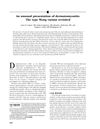
November 2000 in “Journal of the American Academy of Dermatology” A woman with dermatomyositis showed rare skin symptoms, was treated successfully, and her case suggests checking for cancer in similar patients.
 9 citations
,
February 2004 in “Clinical and Experimental Ophthalmology”
9 citations
,
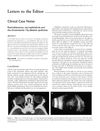
February 2004 in “Clinical and Experimental Ophthalmology” The document discusses various eye conditions and their treatments, including a rare eye cancer in a baby, vision loss from a cancer drug, cataracts from a baldness treatment, a rare skin disorder, and a specific type of eye disease diagnosed with a special imaging technique.
 3 citations
,
May 2025 in “Frontiers in Pharmacology”
3 citations
,
May 2025 in “Frontiers in Pharmacology” Vismodegib can cause muscle spasms, taste changes, hair loss, fatigue, weight loss, and possibly new issues like skin cancer, dehydration, and swallowing problems, needing close monitoring.
 September 2005 in “Journal of Investigative Dermatology”
 Ferulic acid helps stabilize vitamins C and E for better skin protection from the sun, certain compounds may promote hair growth, atopic dermatitis patients have lower skin defense molecules, older men are more likely to get a type of skin cancer, and a substance called relaxin may prevent age-related skin thickening.
The CDC reports 23 measles cases in unvaccinated US kids, new treatments for eosinophilic esophagitis and osteopenia are approved, poor sleep may cause migraines, atopic dermatitis could lead to asthma, migraines might increase Crohn's disease risk, cancer may raise heart disease risk, gout is linked to prostate issues, Cabo Verde is malaria-free, social factors and vitamin D affect dementia risk, smoking increases hair loss risk, certain drugs might lower thyroid disease risk in arthritis, noma is a neglected disease, and meal timing could impact heart health.