 31 citations
,
March 2017 in “Journal of The American Academy of Dermatology”
31 citations
,
March 2017 in “Journal of The American Academy of Dermatology” Some breast cancer patients developed permanent hair loss after chemotherapy and hormonal therapy, showing patterns similar to common baldness and alopecia areata.
5 citations
,
June 2005 in “Journal of Clinical Oncology” PPX causes much less hair loss than traditional taxanes.

Immune therapy for cancer can cause rare hair loss but doesn't stop treatment success.

Immune therapy for cancer can cause hair loss scars in some patients.
 November 2021 in “Austin therapeutics”
 Current treatments for hair loss from chemotherapy are limited, but new methods are being researched.
 4 citations
,
March 2023 in “Current Oncology”
4 citations
,
March 2023 in “Current Oncology” Scalp cooling is the only FDA-approved method to prevent hair loss from chemotherapy, but other treatments like minoxidil and PRP are being tested.
 October 2014 in “Cancer Research”
 A new topical treatment may prevent hair loss from cancer therapy by adjusting cell death processes in hair follicles.
March 2026 in “Skin Appendage Disorders” Some patients on immune therapy for melanoma may develop scarring hair loss, but cancer treatment remains effective.
Activating certain hair follicle cells could prevent hair loss from cancer treatments.
 88 citations
,
July 2014 in “Journal of the American Academy of Dermatology”
88 citations
,
July 2014 in “Journal of the American Academy of Dermatology” Targeted cancer therapies often cause skin reactions, so dermatologists must manage these effects.
5 citations
,
February 2016 in “International Journal of Cancer” Topical vasoconstrictors do not reduce chemotherapy effectiveness against leukemia in mice.
 70 citations
,
January 2000 in “Drug Development Research”
70 citations
,
January 2000 in “Drug Development Research” New butyric acid prodrugs show promise for cancer treatment, anemia management, and protecting hair from chemotherapy damage.
Doctors recommend postoperative radiation for male breast cancer, advise against testosterone for vasomotor symptoms post-adrenalectomy, suggest non-hormonal treatments for atrophic vaginitis after mastectomy, note no specific treatment for anticoagulant-induced hair loss, and call for more research on silicosis from silicon carbide exposure.
 April 2024 in “Dermatovenerologiâ, kosmetologiâ”
 Actinic keratosis is a sun-induced skin condition that can potentially turn into skin cancer and requires treatment to prevent malignancy.
 43 citations
,
March 2019 in “JAMA Dermatology”
43 citations
,
March 2019 in “JAMA Dermatology” Hair regrowth treatments had modest benefits for patients with long-term hair loss after chemotherapy.

Certain drugs can worsen hair loss in people prone to androgenetic alopecia.
4 citations
,
March 2024 in “Journal of the American Academy of Dermatology” Scalp cooling therapy is costly and often not covered by insurance, limiting access for low-income patients.
 10 citations
,
January 2015 in “Journal of Cutaneous Medicine and Surgery”
10 citations
,
January 2015 in “Journal of Cutaneous Medicine and Surgery” Cold caps and certain drugs may help prevent or reduce hair loss from chemotherapy, but more research is needed.
 19 citations
,
May 2013 in “Annals of Oncology”
19 citations
,
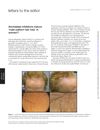
May 2013 in “Annals of Oncology” Aromatase inhibitors cause male pattern hair loss in women.
41 citations
,
July 2016 in “Radiation Research” Radiation damages salivary glands by harming blood vessels, but antioxidants might help protect them.
 3 citations
,
January 2011 in “Wspolczesna Onkologia-Contemporary Oncology”
3 citations
,
January 2011 in “Wspolczesna Onkologia-Contemporary Oncology” Scalp hypothermia can prevent chemotherapy-induced hair loss but is not suitable for all patients, and more research is needed to improve prevention methods.
 21 citations
,
January 2015 in “Oncology Research and Treatment”
21 citations
,
January 2015 in “Oncology Research and Treatment” Scalp cooling can prevent hair loss in 65% of chemotherapy patients, especially effective in breast cancer patients and certain chemotherapy types.
 June 2023 in “jurnal veteriner”
 The combination of Typhonium flagelliforme extract and natural interferons effectively reduces tumor growth in mice.
6 citations
,
June 2023 in “American Society of Clinical Oncology Educational Book” Cannabis, cryotherapy, and scalp cooling can help improve the quality of life for chemotherapy patients.
 22 citations
,
April 1998 in “Dermatologic Clinics”
22 citations
,
April 1998 in “Dermatologic Clinics” Interferons are effective for some skin conditions and cancers, but can have side effects and need more research for optimal use.
 17 citations
,
May 2011 in “Gene Therapy”
17 citations
,
May 2011 in “Gene Therapy” Using polyethylenimine-DNA to deliver the hTERT gene can stimulate hair growth and may be useful in treating hair loss, but there could be potential cancer risks.
 April 2024 in “Dermatovenerologiâ, kosmetologiâ”
 Actinic keratosis is a sun-induced skin condition that can potentially turn into skin cancer and requires various treatments to prevent this.
 12 citations
,
February 2010 in “Journal of The American Academy of Dermatology”
12 citations
,
February 2010 in “Journal of The American Academy of Dermatology” A cancer drug caused unusual hair growth on a 100-year-old man's scalp and eyelashes.
 1 citations
,
January 2023 in “Cutis”
1 citations
,
January 2023 in “Cutis” You might not need to stop cancer treatment if you get a rare skin reaction from EGFR inhibitors, as skin treatments can help manage it.
 17 citations
,
July 1995 in “International Journal of Dermatology”
17 citations
,
July 1995 in “International Journal of Dermatology” Minoxidil helps prevent hair loss from chemotherapy in rats.