 14 citations
,
January 2013 in “Journal of Cutaneous Medicine and Surgery”
14 citations
,
January 2013 in “Journal of Cutaneous Medicine and Surgery” Some cancer treatments can cause permanent hair loss.
 April 2022 in “Anti-cancer agents in medicinal chemistry”
 Some existing medicines show promise as safe treatments to protect against the side effects of radiation therapy.
 2 citations
,
October 2018 in “Springer eBooks”
2 citations
,
October 2018 in “Springer eBooks” Cancer treatments can cause skin-related side effects that may affect patient quality of life and require changes in treatment.
 June 2025 in “Clinical Cosmetic and Investigational Dermatology”
 There's an urgent need for better treatments for hair loss caused by radiation therapy.
 18 citations
,
December 1996 in “Seminars in Cutaneous Medicine and Surgery”
18 citations
,
December 1996 in “Seminars in Cutaneous Medicine and Surgery” Chemotherapy and cytokine therapy can cause various skin reactions, including hair loss and hypersensitivity.
 2 citations
,
March 2021 in “Cutis”
2 citations
,
March 2021 in “Cutis” Some breast cancer treatments, like taxanes, can cause long-term hair loss.
 January 2023 in “Skin appendage disorders”
 A woman's hair grew back after treatment for a rare hair loss caused by proton therapy.
4 citations
,
April 2020 in “Reports of Practical Oncology & Radiotherapy” Prostate cancer patients need early psychological and sexual support during radiotherapy to improve their quality of life.

Permanent micropigmentation can help cancer survivors feel better about themselves by restoring eyebrows lost during chemotherapy.
4 citations
,
July 2024 in “Radiotherapy and Oncology” A standardized scoring system is needed to improve model reliability for predicting hair loss in brain tumor patients treated with proton therapy.
 14 citations
,
January 2008 in “Gene therapy”
14 citations
,
January 2008 in “Gene therapy” Gene therapy shows promise for enhancing physical traits but faces ethical, safety, and regulatory challenges.
 90 citations
,
December 2007 in “Current Oncology”
90 citations
,
December 2007 in “Current Oncology” Non-hormonal treatments should be used first for sexual dysfunction in postmenopausal breast cancer patients on aromatase inhibitors, with hormones as a second option.
 11 citations
,
September 2012 in “Journal of obstetrics and gynaecology Canada”
11 citations
,
September 2012 in “Journal of obstetrics and gynaecology Canada” Testosterone therapy seems safe for short-term use in postmenopausal women with low sexual desire, but more research on long-term effects is needed.
 1 citations
,
June 2025 in “American Journal of Clinical Dermatology”
1 citations
,
June 2025 in “American Journal of Clinical Dermatology” Scalp cooling and minoxidil can help manage hair loss in children with cancer, but more research is needed.

Low-intensity ultrasound may prevent hair loss during taxane chemotherapy.
 70 citations
,
February 2015 in “Expert Opinion on Drug Discovery”
70 citations
,
February 2015 in “Expert Opinion on Drug Discovery” Topical drugs and near-infrared light therapy show potential for treating alopecia.
 18 citations
,
January 1999 in “CNS Drugs”
18 citations
,
January 1999 in “CNS Drugs” Some anticonvulsant drugs can cause skin reactions, ranging from mild to severe, and managing these reactions is important for patient care.
 1 citations
,
September 2020 in “Pediatric Dermatology”
1 citations
,
September 2020 in “Pediatric Dermatology” Two teenage boys lost hair after taking a drug for growth, which was not a known side effect for kids.
December 2025 in “Clinical and Translational Science” EGFR inhibitors in breast cancer treatment can cause serious skin issues affecting patient quality of life.
 February 2025 in “Journal of Nanobiotechnology”
 A new treatment using microneedles with black phosphorus and laser helps regrow hair effectively and safely.
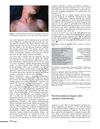
A boy on a ketogenic diet and anti-epileptic drugs developed skin issues due to stopping vitamin supplements, which improved with proper supplementation.
January 2026 in “Clinical & Translational Oncology” Early intervention and tailored management are crucial for skin side effects in cancer treatments.
 159 citations
,
September 2001 in “European Journal of Cancer Care”
159 citations
,
September 2001 in “European Journal of Cancer Care” Chemotherapy-induced hair loss significantly affects patients' well-being, and nurses are key in helping them cope, but more research is needed to find effective treatments.
 20 citations
,
October 2018 in “American Journal of Clinical Dermatology”
20 citations
,
October 2018 in “American Journal of Clinical Dermatology” Some drugs can cause skin and hair color changes, often reversible when the drug is stopped.
6 citations
,
July 2015 in “JAAD Case Reports” Doxycycline can effectively treat hair loss caused by EGFR inhibitors.
3 citations
,
October 2025 in “Cancer” PROTACs offer a new, precise way to treat cancer by breaking down harmful proteins.
 January 2024 in “International Journal of Health Science”
 Scalp cooling and low-power light therapy show promise in reducing chemotherapy-induced hair loss but need more research.
 9 citations
,
August 2017 in “Photochemistry and Photobiology”
9 citations
,
August 2017 in “Photochemistry and Photobiology” Red light at 627 nm can safely trigger IL-4 release in skin cells, potentially helping treat inflammatory skin conditions.
 11 citations
,
June 1996 in “Nutrition”
11 citations
,
June 1996 in “Nutrition” Vitamin D3 may prevent hair loss from chemotherapy, but side effects and cancer cell protection are concerns.
 100 citations
,
November 1996 in “Molecular Medicine Today”
100 citations
,
November 1996 in “Molecular Medicine Today” Growth factors and cytokines are important for hair growth and could potentially treat hair loss, but more research is needed to overcome challenges before they can be used in treatments.