August 2003 in “Special report” TrichoScan offers a painless way to analyze and manage hair loss.
 December 2022 in “Skin Pharmacology and Physiology”
 Special scalp and hair examination techniques can identify hair problems.
 102 citations
,
October 1996 in “Dermatologic Clinics”
102 citations
,
October 1996 in “Dermatologic Clinics” Photographic documentation crucial for evaluating hair growth in androgenetic alopecia.
 44 citations
,
November 2016 in “Journal of The American Academy of Dermatology”
44 citations
,
November 2016 in “Journal of The American Academy of Dermatology” The updated SALT II tool offers a more precise way to measure scalp hair loss.
 14 citations
,
June 2021 in “British journal of dermatology/British journal of dermatology, Supplement”
14 citations
,
June 2021 in “British journal of dermatology/British journal of dermatology, Supplement” Experts agreed on guidelines to improve research on Frontal Fibrosing Alopecia.
9 citations
,
September 2012 in “Journal of Cosmetic Dermatology” Hair capacitance mapping effectively measures hair surface moisture changes.
 March 2005 in “International Journal of Cosmetic Science”
 A new method helps understand hair shine and various products improve hair care.
January 1994 in “Journal of the society of cosmetic chemists”  1 citations
,
January 2017 in “PubMed”
1 citations
,
January 2017 in “PubMed” All five hair fiber products improved appearance but didn't stick to completely bald areas.
1 citations
,
February 2015 in “Zenodo (CERN European Organization for Nuclear Research)” Different hair fiber brands have unique electrostatic and dielectric properties.
 November 2022 in “The journal of investigative dermatology/Journal of investigative dermatology”
 New imaging technology can show up to 40 different markers in hair loss tissue, helping to understand hair disease better.
 42 citations
,
January 2011 in “Journal of Biomedical Optics”
42 citations
,
January 2011 in “Journal of Biomedical Optics” Infrared and Raman imaging can non-destructively analyze hair structure and help diagnose hair conditions.
28 citations
,
December 2002 in “Der Hautarzt” TrichoScan accurately measures hair growth and loss, showing increased hair counts and thickness with treatment.
 2 citations
,
July 2008 in “Dermatologic Surgery”
2 citations
,
July 2008 in “Dermatologic Surgery” The Cross-section Trichometer is a promising tool for measuring hair characteristics without cutting the hair and may have various clinical uses.
9 citations
,
January 1983 in “Journal of Chromatography B Biomedical Sciences and Applications” Human hair follicles can assess carcinogen metabolism and imidazole compounds might be effective anticarcinogens.
 September 2022 in “Journal of Cosmetic Dermatology”
 Hair casts may be a useful clue for diagnosing hair loss during the resting phase of hair growth.
8 citations
,
February 2018 in “European journal of oncology nursing” The Hair Check tool can measure hair loss, but patients' own reports are more reliable for assessing hair loss during chemotherapy.
10 citations
,
January 2011 in “Journal of biomedical optics” OCT is a reliable, noninvasive way to measure hair thickness.
 November 2025 in “Communications Biology”
 Human hair contains many different molecules that change along its length, influenced by personal care products.
10 citations
,
January 1989 in “Archives of Dermatological Research” The method effectively analyzes human hair proteins, especially nonfilamentous ones.
 2 citations
,
March 2005 in “International Journal of Cosmetic Science”
2 citations
,
March 2005 in “International Journal of Cosmetic Science” Human hair structure varies by ethnicity, and certain treatments can improve hair condition and appearance.
February 2024 in “Medicina” AFM can diagnose hair disorders by revealing detailed hair surface changes.
 40 citations
,
April 2006 in “Journal of the European Academy of Dermatology and Venereology”
40 citations
,
April 2006 in “Journal of the European Academy of Dermatology and Venereology” The Trichoscan system was found to be inaccurate for measuring hair growth, needing better software to be useful.
 10 citations
,
January 2012 in “Journal of biomedical optics”
10 citations
,
January 2012 in “Journal of biomedical optics” Melanin density affects hair color, and this method can help in cosmetic assessments and diagnosing hair diseases.
 14 citations
,
May 2013 in “Experimental Dermatology”
14 citations
,
May 2013 in “Experimental Dermatology” The modified wash test is better than TrichoScan® for diagnosing hair loss.
 September 2025 in “International Journal of Molecular Sciences”
 Hair analysis could help diagnose and treat schizophrenia more effectively.
 1 citations
,
March 2009 in “Hair transplant forum international”
1 citations
,
March 2009 in “Hair transplant forum international” The TrichoScan method effectively measures hair growth and helps choose patients for hair restoration surgery.
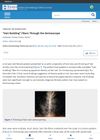 January 2018 in “Indian Dermatology Online Journal”
 Trichoscopy can help tell the difference between artificial hair fibers and other scalp artifacts.
May 2001 in “Hair transplant forum international” The CapilliCARE® machine shows promise for diagnosing early hair loss.
18 citations
,
August 2009 in “Skin Research and Technology” OCT can identify hair structures, but chemical treatments can damage them.