 April 2026 in “Science & Justice”
 Hair analysis can confirm drug use but can't accurately measure how much was taken.
4 citations
,
February 2021 in “Zenodo (CERN European Organization for Nuclear Research)” The plants are safe from heavy metal toxicity.
 11 citations
,
January 2016 in “Journal of clinical & experimental dermatology research”
11 citations
,
January 2016 in “Journal of clinical & experimental dermatology research” Substance abuse can cause various skin problems, including marks from injections, sores, premature aging, and increased cancer risk.
 4 citations
,
February 2022 in “Journal of Pharmaceutical and Biomedical Analysis”
4 citations
,
February 2022 in “Journal of Pharmaceutical and Biomedical Analysis” The conclusion is that a new method can measure caffeine and drugs in hair, finding caffeine abusers have 70 times more caffeine than normal, with a proposed cut-off value for abuse.
5 citations
,
January 2000 in “Inhalation Toxicology” Aqueous dispersion resin is safe to inhale at levels below 30 mg/m³.
June 2026 in “BMC Microbiology” Cyanoacrylate glue effectively reduces contamination in hair follicle samples.
26 citations
,
January 2004 in “Journal of Toxicology Clinical Toxicology” Accidentally eating autumn crocus can cause long-term health issues.
 63 citations
,
August 1996 in “Forensic Science International”
63 citations
,
August 1996 in “Forensic Science International” Cosmetic treatments like bleaching and perming can greatly reduce opiate levels in hair, possibly leading to false-negative drug tests.
 January 2024 in “Clinical dermatology open access journal”
 Hemp-derived cannabinoids can benefit skin and hair without causing a high.
2 citations
,
July 2023 in “Water” Tradescantia plants can effectively test for the toxicity of harmful algae.
 3 citations
,
September 2017 in “The journal of investigative dermatology/Journal of investigative dermatology”
3 citations
,
September 2017 in “The journal of investigative dermatology/Journal of investigative dermatology” CBD can either promote or inhibit hair growth depending on the concentration used.
 December 2025 in “Universities Journal of Phytochemistry and Ayurvedic Heights”
 Herbal medicines need strict quality control to ensure safety and authenticity.
 February 2024 in “Trends in Sciences”
 Store Tectona grandis leaf extracts in slightly acidic, light-protected conditions for best stability.
6 citations
,
May 2007 in “Forensic Science Medicine and Pathology” Minoxidil can make it hard to detect cocaine in hair tests.
2 citations
,
October 2018 in “Journal of Mind and Medical Sciences” A new method effectively detects toxic pyrrolizidine alkaloids in honey and flour.
 7 citations
,
February 2018 in “International Journal of Pharmaceutics”
7 citations
,
February 2018 in “International Journal of Pharmaceutics” Researchers developed a method to measure drugs in hair follicles and found that both water-loving and fat-loving drugs can be detected after being applied to the skin.
8 citations
,
October 2022 in “International Journal of Legal Medicine” Drugs in drowned bodies' hair remain stable in natural water, aiding forensic analysis.
 128 citations
,
January 1996 in “Journal of analytical toxicology.”
128 citations
,
January 1996 in “Journal of analytical toxicology.” Hair analysis can detect cocaine use but doesn't accurately show the amount or timing of use.
4 citations
,
September 1971 in “Crop Science” Crownvetch seed leachate stunts seedling growth due to toxic compounds.
 103 citations
,
January 2009 in “Carbon”
103 citations
,
January 2009 in “Carbon” Pure carbon nanotubes are safe for mice, but impure ones cause immune issues and hair loss.
10 citations
,
June 1956 in “OSTI OAI (U.S. Department of Energy Office of Scientific and Technical Information)” Air pollution has caused over $3 million in crop damage annually in Los Angeles since 1953.
January 2013 in “Zhongguo yaofang” The method effectively detects residual solvents in finasteride raw materials.
10 citations
,
January 1980 in “Ultrastructural pathology” Green hair has high copper levels due to contaminated water and damaged hair cuticles.
 7 citations
,
January 1990 in “Eisei kagaku”
7 citations
,
January 1990 in “Eisei kagaku” Chemical analysis of hair products on human hair can help identify specific brands and link suspects to victims.
67 citations
,
May 2013 in “Therapeutic drug monitoring” Wait 4-5 weeks after drug use before hair testing and cut hair into three segments to confirm single drug exposure.
 April 2020 in “Estudo & Debate”
 The compounding pharmacy in Venâncio Aires generally follows good practices, with only the Paracetamol sample showing significant microbial growth.
 5 citations
,
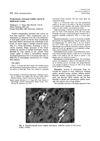
September 1989 in “Journal of The American Academy of Dermatology”
5 citations
,
September 1989 in “Journal of The American Academy of Dermatology” Talc in street cocaine can cause immune-reactive skin nodules where injected.
November 2025 in “Wiley Interdisciplinary Reviews Forensic Science” Hair testing is a useful method for detecting past substance use and recent advancements improve its accuracy and reliability.
5 citations
,
October 2020 in “Food Science and Technology” Better hygiene is needed in handling dry salted shrimp to ensure safety.
 3 citations
,
February 2018 in “Australian Veterinary Journal”
3 citations
,
February 2018 in “Australian Veterinary Journal” Veterinarians could test positive for ketamine from work exposure, not just substance abuse.