2 citations
,
July 2024 in “Indian Journal of Dermatology” Adults with alopecia areata often have empty follicular openings, while children show more honeycomb pigment patterns.
 28 citations
,
August 2013 in “Facial Plastic Surgery Clinics of North America”
28 citations
,
August 2013 in “Facial Plastic Surgery Clinics of North America” Body and beard hair can be used for hair restoration in severely bald patients, but the technique is complex and costly.
 January 2024 in “Journal of Clinical Images and Medical Case Reports”
 Baricitinib may help treat frontal fibrosing alopecia and facial papules.
6 citations
,
August 2013 in “Facial plastic surgery clinics of North America” Dense packing fits many hair grafts closely together for a natural look but isn't suitable for everyone.
 5 citations
,
January 2018 in “Acta Dermatovenerologica Alpina Pannonica et Adriatica”
5 citations
,
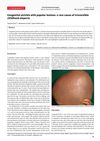
January 2018 in “Acta Dermatovenerologica Alpina Pannonica et Adriatica” Congenital atrichia with papular lesions causes permanent hair loss in children.
July 2026 in “bioRxiv (Cold Spring Harbor Laboratory)” Proteomic signatures can identify if hair is from the scalp or pubic area.
9 citations
,
July 2020 in “Journal of cosmetic dermatology” Wigs help patients with hair loss feel more confident and improve their quality of life.
59 citations
,
March 1984 in “Journal of Investigative Dermatology”  19 citations
,
May 2011 in “Dermatologic Therapy”
19 citations
,
May 2011 in “Dermatologic Therapy” The document suggests using hairpieces, wigs, and safe cosmetic techniques to hide hair loss from alopecia areata.
55 citations
,
February 2014 in “Journal of Structural Biology” Human hair has a complex, variable structure with a consistent matrix and double-twist pattern.
 February 2013 in “Archives of Disease in Childhood: Education & Practice”
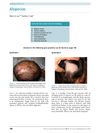
 Different types of alopecia in children require specific diagnoses and treatments.
 1 citations
,
November 2023 in “Journal of the European Academy of Dermatology and Venereology”
1 citations
,
November 2023 in “Journal of the European Academy of Dermatology and Venereology” Baricitinib helps with early hair regrowth in people with alopecia areata.
March 2023 in “Journal of Cosmetic Dermatology” Trichoscopy is effective for diagnosing scalp ACC in darker skin tones.
October 2024 in “Journal of Cutaneous Pathology” Compound follicles in folliculitis decalvans mainly have active hair follicles.
July 2026 in “Journal of Investigative Dermatology”  22 citations
,
April 2011 in “Anais Brasileiros de Dermatologia”
22 citations
,
April 2011 in “Anais Brasileiros de Dermatologia” Hair transplants can lead to hair loss from lichen planopilaris, and patients should be tested and wait two years before the procedure.
Photography helps track hair loss and supports treatment approvals.
 August 2023 in “British Journal of Surgery”
 Synthetic hair transplants can lead to skin cancer on the scalp.
1 citations
,
September 2003 in “Praxis” Hair loss is a significant challenge with psychological effects, but treatments like minoxidil and finasteride are effective.
February 2026 in “Clinical Cancer Research” The combined treatment helped prevent hair loss and promoted full hair regrowth in breast cancer patients after chemotherapy.
January 1991 in “Linchuang pifuke zazhi” 26 citations
,
January 2016 in “Journal of cutaneous and aesthetic surgery” Hair transplant combining scalp and beard hair with PRP was successful for scarring alopecia.
July 2020 in “DOAJ (DOAJ: Directory of Open Access Journals)” Excessive sun protection might contribute to frontal fibrosing alopecia.
28 citations
,
May 1998 in “Journal of the American Academy of Dermatology” Scalp inflammation can cause multiple hairs to grow from one follicle.
Micrografts and minigrafts effectively treat male hair loss with natural-looking results.
1 citations
,
August 2024 in “Anais Brasileiros de Dermatologia” Recognizing skin symptoms helps diagnose and treat frontal fibrosing alopecia.
June 2023 in “Zenodo (CERN European Organization for Nuclear Research)”  January 2024 in “Dermatology practical & conceptual”
 The Peripilar sign does not indicate perifollicular infiltrate in hair loss from Androgenetic Alopecia.
The arrector pili muscle plays a key role in hair loss in androgenetic alopecia.
Multiphoton microscopy can effectively distinguish between scarring and non-scarring alopecia.