 January 2022 in “Social Science Research Network”
 A new patch that releases quercetin, copper, and zinc ions under the skin can effectively treat hair loss by promoting hair follicle regeneration.
 January 2021 in “Social Science Research Network”
 The new treatment using tiny lipid carriers to deliver minoxidil and latanoprost directly to hair follicles shows promise for alopecia.
August 2025 in “Bioactive Materials” Ac-GFFY-IGF peptide is a promising, safe, and effective treatment for hair loss, better than current options.
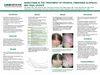 November 2025 in “SKIN The Journal of Cutaneous Medicine”
 Baricitinib shows promise in improving frontal fibrosing alopecia symptoms.
8 citations
,
January 2021 in “Journal of Pharmaceutical Investigation” January 2008 in “Journal of Clinical Dermatology” Scalp medⓇ effectively and safely improves hair growth in men with androgenetic alopecia.
7 citations
,
May 1983 in “Geburtshilfe und Frauenheilkunde” Intramuscular cyproterone acetate effectively treats hirsutism and improves skin conditions in women with hyperandrogenism.
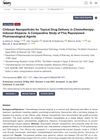 July 2025 in “Pharmaceuticals”
 Phenobarbital-loaded chitosan nanoparticles are promising for preventing hair loss from chemotherapy.
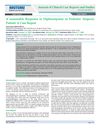 July 2021 in “Clinical case reports and studies”
 Topical diphencyprone effectively treated a 9-year-old boy's alopecia areata with fewer side effects.
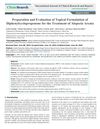 June 2023 in “International Journal of Clinical Research and Reports”
 Method B with propylene glycol is better for stable low-concentration DPCP solutions for alopecia areata.
June 2026 in “Journal of Pharmaceutical Innovation” 
New treatments for skin conditions show promise, especially Coacillium® for hair growth in young people with alopecia areata.
1 citations
,
October 2020 in “Cermin Dunia Kedokteran” A boy's scalp rash and baldness were cured using oral medication and medicated shampoo.
 21 citations
,
June 2017 in “Journal of The American Academy of Dermatology”
21 citations
,
June 2017 in “Journal of The American Academy of Dermatology” Topical DPCP is somewhat effective for hair loss in alopecia areata, but more research is needed.
January 2026 in “New Journal of Chemistry” Minoxidil-loaded nanoparticles improve hair loss treatment by enhancing delivery and reducing irritation.
 September 2023 in “Journal of The American Academy of Dermatology”
 Baricitinib shows promise in treating severe hair loss.
January 2024 in “Pharmaceutical journal/The pharmaceutical journal” Ritlecitinib can help about 14,000 people with severe hair loss.
 45 citations
,
January 2010 in “International journal of trichology”
45 citations
,
January 2010 in “International journal of trichology” Topical immunotherapy, especially with DPCP, is effective for treating severe alopecia areata.
 April 2025 in “Journal of Cosmetic and Laser Therapy”
 QR678 Neo® improves hair transplant success and hair regrowth.
5 citations
,
January 2007 Citrullus colocynthis extracts may promote hair growth as effectively as minoxidil.
January 2020 in “Journal of Womens Health, Issues and Care” Scalp micropigmentation is a successful, non-surgical way to make hair look fuller.
 10 citations
,
January 2018 in “Postępy Dermatologii i Alergologii”
10 citations
,
January 2018 in “Postępy Dermatologii i Alergologii” Treating alopecia areata every 3 weeks with diphenylcyclopropenone is more effective than weekly treatments.
 32 citations
,
January 2008 in “Journal of Microencapsulation”
32 citations
,
January 2008 in “Journal of Microencapsulation” Cosmetics with hinokitiol-loaded nanocapsules were found to effectively promote hair growth.
 January 2025 in “Journal of Materials Chemistry B”
 The new microneedle treatment could be a more effective and convenient option for hair loss.
 November 2023 in “Materials Today Bio”
 The new treatment using nanoparticles with ISX9 can effectively regrow hair without major side effects.
 April 2013 in “Cancer Research”
 A botanical extract was found to be a safe treatment that may prevent hair loss in chemotherapy patients.
2 citations
,
May 2023 in “The Journal of Immunology” NXC736 significantly reduced hair loss in mice with alopecia areata.
16 citations
,
April 1998 in “Journal of Investigative Dermatology” ACTH promotes hair growth in mink, but α-MSH does not.
 January 2005 in “Elektronische Hochschulschriften der LMU München (Ludwig-Maximilians-Universität München)”
 Topical immunotherapy with DPCP is most effective for certain alopecia areata types, with success linked to age and disease duration, and influenced by a gene polymorphism.