Finasteride can cause long-term side effects like sexual dysfunction and depression.
 1 citations
,
August 2013 in “Fertility and Sterility”
1 citations
,
August 2013 in “Fertility and Sterility” Finasteride may improve sperm count in subfertile men with low sperm count.
 5 citations
,
January 2015 in “Journal of clinical & experimental dermatology research”
5 citations
,
January 2015 in “Journal of clinical & experimental dermatology research” MorrF improves hair growth better than minoxidil alone.
May 2022 in “Endocrine Abstracts” Finasteride may cause sexual dysfunction by reducing epinephrine levels.
 October 2024 in “Internal Medicine”
 Stopping nalfurafine reversed hair loss in a hemodialysis patient.
Finasteride helps treat male hair loss but may lower sex drive.
 26 citations
,
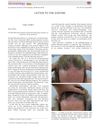
June 2018 in “Australasian Journal of Dermatology”
26 citations
,
June 2018 in “Australasian Journal of Dermatology” Stopping sunscreen use on the forehead led to hair regrowth in a woman with frontal fibrosing alopecia.
Finasteride can help regrow hair in male pattern baldness.
Finasteride causes reproductive malformations in male rats.
9 citations
,
January 2017 in “Farmacia” Finasteride can still be used for hair loss with careful consideration of side effects and patient information.
 4 citations
,
June 2003 in “Fertility and Sterility”
4 citations
,
June 2003 in “Fertility and Sterility” Finasteride doesn't affect ovulation in normal women.
 29 citations
,
May 2010 in “Annals of Pharmacotherapy”
29 citations
,
May 2010 in “Annals of Pharmacotherapy” Finasteride may help some women with hair loss, but better options exist.

TrichoFoam™ is a stable option for personalized hair loss treatment with most ingredients remaining effective for 90-180 days.
 August 2015 in “Dermatología Argentina”
 Frontal fibrosing alopecia causes hairline recession and eyebrow loss in postmenopausal women.
 5 citations
,
March 2019 in “Dermatologic Clinics”
5 citations
,
March 2019 in “Dermatologic Clinics” New treatments for hair loss show promise, but require more research on long-term effects and proper dosing.
 59 citations
,
September 1994 in “The Journal of Clinical Endocrinology and Metabolism”
59 citations
,
September 1994 in “The Journal of Clinical Endocrinology and Metabolism” Finasteride reduces scalp DHT levels, potentially treating male pattern baldness.
Long-term finasteride use may affect sperm structure and chromosomes.
September 2019 in “Hair transplant forum international” Using finasteride may increase the risk of erectile dysfunction.
 10 citations
,
February 2020 in “Endocrine”
10 citations
,
February 2020 in “Endocrine” Finasteride safely treats hair loss without harming hormones or reproduction, but may slightly reduce sexual function.
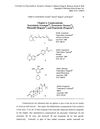
Isotretinoin and tazarotene help treat acne, while minoxidil and finasteride promote hair growth.
 1 citations
,
January 2020 in “Archives of Medical Research”
1 citations
,
January 2020 in “Archives of Medical Research” Formononetin, found in red clover, may treat hair loss with fewer side effects.
The TrichoConcept™ line is effective for personalized hair loss treatments.
 54 citations
,
September 2013 in “Fertility and Sterility”
54 citations
,
September 2013 in “Fertility and Sterility” Finasteride can reduce fertility in some men, but stopping it increases sperm count.
January 2021 in “Thieme Medical and Scientific Publishers Private Limited eBooks” January 2002 in “Chinese Journal of Pharmaceuticals” A new method was developed to make a compound used in finasteride and epristeride with a 69% yield.
 6 citations
,
January 2016 in “International Journal of Trichology”
6 citations
,
January 2016 in “International Journal of Trichology” Taking 1 mg of finasteride daily could potentially treat rare hair conditions like Acquired Progressive Kinking of the Hair and whisker hair.
 4 citations
,
January 2020 in “Skin appendage disorders”
4 citations
,
January 2020 in “Skin appendage disorders” A woman with an unusual pattern of hair loss was confirmed to have Frontal Fibrosing Alopecia and treated with specific medications.
12 citations
,
October 1999 in “Journal of The American Academy of Dermatology” December 2004 in “Annales d Urologie” Finasteride may reduce prostate cancer risk.
7 citations
,
May 2002 in “Hair transplant forum international” Finasteride 1mg is effective and safe for long-term use in treating male hair loss.