
Newer retinoid drugs are effective for skin conditions but have significant side effects.
 7 citations
,
January 2013 in “Journal of Investigative Dermatology”
7 citations
,
January 2013 in “Journal of Investigative Dermatology” Vitamin A may influence hair loss conditions like alopecia, but more research is needed to understand how.
29 citations
,
January 2020 in “BioMed Research International” Sinapic acid may help fight obesity and promote hair growth.
January 1995 in “Revista de arqueología” 1 alpha,25-dihydroxy-vitamin D3 and calcipotriol speed up cell differentiation in hair follicles.
1 citations
,
January 1980 in “Side effects of drugs annual” Taking too much vitamin A can cause health problems like bone pain and hair loss.
33 citations
,
March 1994 in “PubMed” High ODC and low K1 and K10 may indicate early skin tumors in mice.
20 citations
,
December 2013 in “PubMed” Quercetin boosts melanin production in mouse hair follicles.
 November 2024 in “PubMed”
 Carboxytherapy effectively and safely improves skin aging signs.
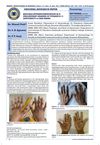 July 2021 in “PARIPEX INDIAN JOURNAL OF RESEARCH”
 Knuckle darkening can be an early sign of vitamin B12 deficiency.
28 citations
,
August 1981 in “Journal of the American Academy of Dermatology” Retinoic acid is effective for treating eruptive vellus hair cysts.
 15 citations
,
May 2011 in “Veterinary Dermatology”
15 citations
,
May 2011 in “Veterinary Dermatology” Vitamin A might be a safe extra treatment for dogs with sebaceous adenitis, but more research is needed to prove its effectiveness.
 May 2025 in “Cermin Dunia Kedokteran”
 Leukokoria can signal Coats disease or other retinal issues, requiring early detection to prevent severe outcomes.
October 1940 in “Clinical and Experimental Optometry” Vitamin A deficiency can cause eye problems and other health issues.
54 citations
,
September 2012 in “The journal of investigative dermatology/Journal of investigative dermatology” Vitamin A affects hair loss and immune response in alopecia areata.
 16 citations
,
April 2017 in “Journal of Cosmetic Dermatology”
16 citations
,
April 2017 in “Journal of Cosmetic Dermatology” Ficus carica leaf extract may help treat skin disorders by reducing inflammation and androgen effects in skin cells.
2 citations
,
January 1997 in “Mapping” Gambogic Amide may prevent hair greying and promote hair growth by maintaining hair pigmentation.
57 citations
,
July 2000 in “Toxicology Letters” K6/ODC transgenic mice are effective for quickly identifying cancer-causing chemicals.
 13 citations
,
July 2007 in “Pediatric dermatology”
13 citations
,
July 2007 in “Pediatric dermatology” Vitamin D3 ointment improved skin bumps on the chin but didn't give lasting results after stopping use.
 November 2023 in “Elsevier eBooks”
 Vitamin D is important for healthy skin and hair.
4 citations
,
November 1981 in “Indian Journal of Dermatology Venereology and Leprology” High-dose calcium pantothenate can reverse grey hair in some cases.
1 citations
,
April 2011 in “Clinical Kidney Journal” A benign skin tumor grew quickly in a dialysis patient and was surgically removed.
A new method allows for controlled, long-lasting delivery of retinoic acid through the skin with less inflammation.
 18 citations
,
October 2014 in “Experimental Biology and Medicine”
18 citations
,
October 2014 in “Experimental Biology and Medicine” Eating vitamin A affects hair growth and health by changing cell signals in mice.
39 citations
,
January 2017 in “Dermatologic Therapy” Topical calcipotriol may help treat alopecia areata, especially in those with low vitamin D.
13 citations
,
April 1982 in “The Journal of Dermatology” Poly(ADP-ribose) synthesis is linked to skin cell differentiation.
 92 citations
,
June 2005 in “Journal of Investigative Dermatology”
92 citations
,
June 2005 in “Journal of Investigative Dermatology” All-trans retinoic acid causes hair loss by increasing TGF-β2 in hair follicle cells.
 August 2023 in “International Journal of Cosmetic Science”
 Rosemary extracts, specifically compounds like rosmarinic acid and carnosic acid, can protect hair from UV damage.
29 citations
,
July 2013 in “Journal of Investigative Dermatology” UV radiation causes skin cancer, but sunscreens and certain drugs can help prevent it.
188 citations
,
December 2020 in “Foods” Polyphenols in plant foods help prevent diseases and have potential uses in food, cosmetics, and more.
43 citations
,
December 2017 in “BMC Plant Biology” GmMAX3b gene in soybeans boosts nodulation and affects hormone levels.