 January 2018 in “The journal of the convergence on culture technology”
 Astringent persimmon fruit extract can promote hair growth.
 35 citations
,
February 2006 in “Textile Research Journal”
35 citations
,
February 2006 in “Textile Research Journal” Enzymes xylanase and pectinase clean wool and specialty hair fibers effectively without damage, offering an eco-friendly alternative to soap and hot water.
 6 citations
,
September 2016 in “American journal of medical and biological research”
6 citations
,
September 2016 in “American journal of medical and biological research” Male cattle skin is better for quality leather production.
 4 citations
,
January 2015 in “Sen'i Gakkaishi”
4 citations
,
January 2015 in “Sen'i Gakkaishi” Hair and wool strength is affected by the number and type of bonds in their protein structures, with hair having more protein aggregates than wool.
 2 citations
,
April 2025 in “Frontiers in Genetics”
2 citations
,
April 2025 in “Frontiers in Genetics” The ASIP gene is crucial for determining cattle coat color.
 2 citations
,
January 2017 in “Folia biologica”
2 citations
,
January 2017 in “Folia biologica” The KRTAP7-1 gene is very similar across different cattle and yak breeds and likely plays a role in hair strength and shape.
 April 2024 in “Research Square (Research Square)”
 16-MHA can restore the barrier and moisture of damaged hair, making it similar to undamaged hair.
11 citations
,
March 2001 in “Clinics in dermatology” The new microneedle method delivers hair loss treatment more effectively by enhancing growth pathways.
December 2023 in “JSFK (Jurnal Sains Farmasi Klinis)/JSFK (Jurnal Sains Farmasi dan Klinis)” The 0.3% cocoa bean extract tonic is best for hair growth in mice.
 3 citations
,
September 2022 in “Molecules”
3 citations
,
September 2022 in “Molecules” Camellia seed cake extract may help hair growth by blocking the hair loss effects of a hormone called DHT.
 11 citations
,
September 2012 in “Journal of animal physiology and animal nutrition”
11 citations
,
September 2012 in “Journal of animal physiology and animal nutrition” Higher protein diets with DL-methionine improve mink hair growth and fur quality.
1 citations
,
January 2012 in “生物医学研究杂志:英文版” Cyclosporine A promotes hair growth in mice.
 26 citations
,
January 2016 in “Annals of Dermatology”
26 citations
,
January 2016 in “Annals of Dermatology” Ecklonia cava polyphenols help increase human hair growth and reduce hair loss.
 4 citations
,
August 2019 in “General and Comparative Endocrinology”
4 citations
,
August 2019 in “General and Comparative Endocrinology” Male yak hair growth is influenced by DHT synthesis, which is promoted by 5α-red1 and AR during growth phases, while E2 may inhibit growth through ERα.
January 2019 in “Journal of the American Leather Chemists Association” Improved mink skin processing can weaken hair attachment.
7 citations
,
July 2019 in “Animals” The KRTAP21-1 gene affects wool yield and can help improve wool production.
 22 citations
,
November 2013 in “Clinical and experimental dermatology (Print)”
22 citations
,
November 2013 in “Clinical and experimental dermatology (Print)” Ecklonia cava, a type of seaweed, may help hair grow.
Cross-section trichometry is an accurate method to measure hair loss and growth.
4 citations
,
January 2019 in “Tropical animal health and production” 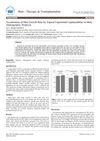 1 citations
,
January 2016 in “Hair therapy & transplantation”
1 citations
,
January 2016 in “Hair therapy & transplantation” Liposomal cepharanthine lotion speeds up hair growth in men with early balding.
January 2003 in “Linchuang pifuke zazhi” Zingiber coralliaum oil promotes early hair growth in mice.
January 2011 in “Leather Science and Engineering” Processing changes Sichuan rabbit skin structure by altering collagen fiber arrangement and porosity.
 2 citations
,
August 2020 in “Natural Product Communications”
2 citations
,
August 2020 in “Natural Product Communications” A mix of Platycladus orientalis leaf extract and alpha-terpineol helps mice grow hair by increasing growth factors and cell growth.
 12 citations
,
January 1981 in “Springer eBooks”
12 citations
,
January 1981 in “Springer eBooks” Environmental factors like temperature and nutrition affect hair growth, with humans showing seasonal hair growth differences.
1 citations
,
September 2016 in “Brain Behavior and Immunity” Hair cortisol levels can indicate stress and are affected by washing frequency, not cosmetic treatments.
February 2024 in “Animals” Hair loss peaks in spring and regrowth in late summer, with pregnant females losing the most hair.
32 citations
,
January 1966 in “Archives of Dermatology” The method accurately measures hair growth with minimal risk and is better than other techniques.
1 citations
,
January 1997 in “Skin Pharmacology and Physiology” Premature infants have less elastic hair than full-term infants.
Waru leaf creambath can speed up hair growth in rabbits, especially at 37.5% concentration.
18 citations
,
January 1965 in “Stain Technology”