 11 citations
,
September 2014 in “International Journal of Molecular Sciences”
11 citations
,
September 2014 in “International Journal of Molecular Sciences” Mycophenolate helps reverse hair loss effects caused by IFN-γ by activating a key hair growth pathway.
 5 citations
,
January 2017 in “Dermatologic Surgery”
5 citations
,
January 2017 in “Dermatologic Surgery” Storing hair follicle micrografts for longer times can cause them to enter a state similar to the natural hair shedding phase, which might impact hair transplant results.
 15 citations
,
August 2017 in “International Journal of Molecular Medicine”
15 citations
,
August 2017 in “International Journal of Molecular Medicine” Panax ginseng extract may help prevent hair loss caused by DKK-1.
 7 citations
,
April 2013 in “Clinical and Experimental Dermatology”
7 citations
,
April 2013 in “Clinical and Experimental Dermatology” Tianeptine, an antidepressant, may prevent stress-induced hair loss in mice.
 21 citations
,
March 2015 in “Journal of The American Academy of Dermatology”
21 citations
,
March 2015 in “Journal of The American Academy of Dermatology” Vemurafenib therapy can cause hair loss, but clobetasol propionate foam can help regrow hair.
 7 citations
,
March 2018 in “Asian-Australasian journal of animal sciences”
7 citations
,
March 2018 in “Asian-Australasian journal of animal sciences” OCIAD2 and DCN genes affect hair growth in goats by having opposite effects on a growth signaling pathway and inhibiting each other.
 2 citations
,
November 2024 in “PeerJ”
2 citations
,
November 2024 in “PeerJ” Long non-coding RNAs play a role in hair growth stages of Hetian sheep, affecting wool quality.
 December 2022 in “Cureus”
 Hormones significantly influence hair growth, with conditions like hirsutism and patterned hair loss linked to hormone levels; more research is needed for full understanding.
 April 2024 in “bioRxiv (Cold Spring Harbor Laboratory)”
 GRK2 is essential for healthy hair follicle function, and its absence can lead to hair loss and cysts.
 May 2009 in “Hair transplant forum international”
 Androgens affect hair growth and shedding, with genetic and non-genetic factors influencing baldness.
February 2016 in “Seoul National University Open Repository (Seoul National University)” Photodynamic therapy can temporarily remove nonpigmented hair but is less effective than lasers for black hair.
 314 citations
,
April 2010 in “Developmental Cell”
314 citations
,
April 2010 in “Developmental Cell” β-catenin in the dermal papilla is crucial for normal hair growth and repair.
Hair loss affects well-being but can be treated with medication or surgery.
 January 2015 in “Indian Dermatology Online Journal”
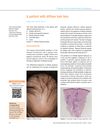
 The patient's hair loss is most likely due to diffuse alopecia areata.
 14 citations
,
January 2015 in “Genetics and molecular research”
14 citations
,
January 2015 in “Genetics and molecular research” The transition from growth to regression in Cashmere goat hair follicles involves changes in expression of genes related to keratin and cell differentiation.
 38 citations
,
October 1988 in “Clinics in Dermatology”
38 citations
,
October 1988 in “Clinics in Dermatology” Hormones, nutrition, and seasonal changes regulate hair growth cycles, with androgens extending growth phases and factors like aging and malnutrition affecting hair loss and thinning.
 10 citations
,
January 2016 in “PLOS ONE”
10 citations
,
January 2016 in “PLOS ONE” Researchers found 44 proteins that change during different hair growth stages and may be important for hair follicle function.
 31 citations
,
May 2008 in “Drug Discovery Today: Disease Mechanisms”
31 citations
,
May 2008 in “Drug Discovery Today: Disease Mechanisms” Different hair growth problems are caused by genetic issues or changes in hair growth cycles, and new treatments are being developed.
 21 citations
,
May 2022 in “Frontiers in Cell and Developmental Biology”
21 citations
,
May 2022 in “Frontiers in Cell and Developmental Biology” Hair growth and health are influenced by factors like age, environment, and nutrition, and are controlled by various molecular pathways. Red light can promote hair growth, and understanding these processes can help treat hair-related diseases.
 7 citations
,
January 1981 in “Springer eBooks”
7 citations
,
January 1981 in “Springer eBooks” The document concludes that hair biology is complex and there are still unanswered questions about hair loss and follicle changes.
 15 citations
,
September 2008 in “Archives of Dermatological Research”
15 citations
,
September 2008 in “Archives of Dermatological Research” Roxithromycin, an antibiotic, can increase hair growth and might be used as a treatment for hair loss.
140 citations
,
December 1998 in “Journal of Investigative Dermatology” Apoptosis in hair follicles varies by growth phase, with TGF-β possibly starting the catagen phase.
 January 2016 in “Human & Experimental Toxicology”
 A specific DNA sequence caused hair loss in male mice by activating immune cells and increasing a certain immune signal.
September 2017 in “Journal of Investigative Dermatology” Photodynamic therapy can potentially remove nonpigmented hair by damaging hair follicles.
450 citations
,
January 2005 in “The journal of investigative dermatology/Journal of investigative dermatology” Hair color is determined by melanin produced and transferred in hair follicles.
 139 citations
,
July 1991 in “Journal of The American Academy of Dermatology”
139 citations
,
July 1991 in “Journal of The American Academy of Dermatology” Understanding hair follicle anatomy helps diagnose hair disorders.
 January 2006 in “Advances in developmental biology”
 The Hairless gene is crucial for healthy skin and hair growth.
Hair follicles influence blood vessels during hair growth, suggesting potential treatments for hair growth issues.
Low-level light therapy, possibly combined with other treatments, may become a leading hair loss treatment, while hirsutism often worsens with age and lacks preventive options.
 14 citations
,
July 2015 in “Journal of Cosmetic Dermatology”
14 citations
,
July 2015 in “Journal of Cosmetic Dermatology” Sebaceous glands in male pattern hair loss patients have more lobules and might cause early hair growth phase shifts.