 January 2018 in “Elsevier eBooks”
 The document concludes that alopecia has various forms, each with specific treatments, but no definitive cure for certain types like CCCA has been proven.
 4 citations
,
December 2014 in “European Journal of Chemistry”
4 citations
,
December 2014 in “European Journal of Chemistry” Iron chloride helps create compounds that could be useful in medicine, like treating hair loss.
 January 1988 in “Chemical and Pharmaceutical Bulletin”
 IND-Ca ointment effectively reduces inflammation with minimal skin irritation.
 19 citations
,
October 2011 in “Clinics in Dermatology”
19 citations
,
October 2011 in “Clinics in Dermatology” New chemotherapy drugs cause skin side effects, but treatments like minocycline and tetracycline can help reduce them.
1 citations
,
December 2022 in “Skin Research and Technology” The technique helps measure how hair styling ingredients affect hair's stiffness and flexibility.
 May 2024 in “Brain disorders”
 Agmatine may help reduce seizures linked to hormone changes in female rats.
1 citations
,
October 2025 in “Gels” Nanogels with hydrophobic modifications improve oral drug delivery for intestinal disease treatment.
 February 2024 in “PloS one”
 Tofacitinib and adalimumab are promising treatments for cicatricial alopecia with few side effects.
 September 2024 in “Journal of Cosmetic Dermatology”
 Combining CGF and microneedling with betamethasone effectively treats resistant alopecia areata.
 11 citations
,
October 2018 in “Pediatric dermatology”
11 citations
,
October 2018 in “Pediatric dermatology” Leflunomide and anthralin may effectively treat severe alopecia areata.
January 2025 in “Open Veterinary Journal” Electrochemotherapy successfully treated skin tumors in cats without recurrence.
4 citations
,
November 2024 in “Scientific Reports” 16-MHA can restore damaged hair's protective barrier and moisture balance.
30 citations
,
March 2007 in “Expert opinion on drug safety” Cetuximab often causes skin rashes, and managing these is important for cancer treatment.
August 2025 in “Saudi Pharmaceutical Journal” The ointment effectively treats neurodermatitis and chronic eczema without causing skin irritation.
 44 citations
,
February 2015 in “Journal of the American Academy of Dermatology”
44 citations
,
February 2015 in “Journal of the American Academy of Dermatology” Combining diphenylcyclopropenone with anthralin is more effective for hair regrowth in alopecia areata than using diphenylcyclopropenone alone, but may cause more side effects.

Scalp cooling helps prevent hair loss and improves quality of life during chemotherapy.
December 2022 in “IntechOpen eBooks” 308 excimer phototherapy is a safe and effective way to treat hair loss from Alopecia Areata.

Lightly perming scalp hair can lead to new hair growth, potentially treating baldness.
 October 2018 in “Springer eBooks”
 The document concludes that various topical medications are effective for skin conditions but often cause skin irritation as a side effect.
7 citations
,
January 2025 in “Journal of Medicinal Chemistry” New itaconate prodrugs improve its absorption and effectiveness for treating inflammation.
 103 citations
,
December 2011 in “Journal of the American Academy of Dermatology”
103 citations
,
December 2011 in “Journal of the American Academy of Dermatology” Chemotherapy often causes temporary hair loss, which is distressing and needs better treatment and support.
58 citations
,
May 2004 in “British Journal of Dermatology” Diphenylcyclopropenone treatment helps hair growth in alopecia areata by promoting blood vessel growth and cell survival.
 12 citations
,
November 2003 in “Journal of the American Academy of Dermatology”
12 citations
,
November 2003 in “Journal of the American Academy of Dermatology” Topical diphencyprone helped regrow hair in mice and rats with a condition similar to human hair loss.
 3 citations
,
April 2019 in “The journal of investigative dermatology/Journal of investigative dermatology”
3 citations
,
April 2019 in “The journal of investigative dermatology/Journal of investigative dermatology” ILC1 cells contribute to hair loss in alopecia areata.
 September 2024 in “Current Oncology”
 Docetaxel often causes hair loss, with limited effective treatments and no cure for permanent hair loss.
1 citations
,
January 2017 in “Elsevier eBooks” Functional materials in hair care improve shine, volume, frizz control, color protection, and repair.
8 citations
,
January 2025 in “Gels” The developed nasal gel improves cilostazol delivery to the brain, enhancing its effectiveness and reducing side effects.
January 2026 in “Colloids and Surfaces B Biointerfaces” A silicone treatment makes damaged hair more water-resistant and stronger.
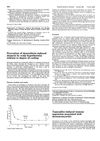 53 citations
,
June 1982 in “The BMJ”
53 citations
,
June 1982 in “The BMJ” Cooling the scalp below 22°C before and during chemotherapy can help prevent hair loss.
 May 2024 in “Journal of molecular structure”
 A new compound, 3a, effectively fights prostate cancer better than finasteride.