 8 citations
,
April 2015 in “Transboundary and Emerging Diseases”
8 citations
,
April 2015 in “Transboundary and Emerging Diseases” A hospital outbreak of catheter infections in calves was caused by a bacteria from a beef herd, leading to longer hospital stays, more drug use, and calf deaths.
January 2011 in “Junshi yixue” A mouse model for studying scleroderma in chronic graft-versus-host disease was successfully created.
 March 2017 in “BJU international”
 The BJUI supports clinical trials as key for unbiased medical evidence and works to enhance their design, reporting, and discussion.
 August 2023 in “Natural Resources for Human Health”
 Vegetarians should take B vitamin supplements to avoid health issues.
1 citations
,
March 2007 in “Journal of Chinese Integrative Medicine” HXBSM boosts blood vessel growth and hair growth in mice.
October 2023 in “Frontiers in Pharmacology” Research on HIV-1 capsid inhibitors has progressed significantly, with the U.S. leading in contributions.
 May 2024 in “International Journal of Nanomedicine”
 Biodegradable polymers can improve cannabinoid delivery but need more clinical trials.
January 2000 in “Cambio 16” Bcl-2 affects hair growth and pigmentation by controlling cell death.
 April 2026 in “npj Parkinson s Disease”
 VPS13C variants are linked to more severe REM sleep disorder and faster progression to Parkinson's disease.
 January 2025 in “Nanoscale”
 Boron/nitrogen-doped carbon nano-onions improve targeted breast cancer treatment by enhancing drug delivery and reducing side effects.
 75 citations
,
March 2009 in “Journal of The American Academy of Dermatology”
75 citations
,
March 2009 in “Journal of The American Academy of Dermatology” CCCA is a hair loss type affecting African women, possibly caused by grooming and chemicals, with various treatments and needing more research.
60 citations
,
September 2004 in “Pediatric Dermatology” A girl developed vitiligo and psoriasis after hepatitis B treatment, and stopping the treatment didn't help.
 4 citations
,
February 2023 in “Journal of steroid biochemistry and molecular biology/The Journal of steroid biochemistry and molecular biology”
4 citations
,
February 2023 in “Journal of steroid biochemistry and molecular biology/The Journal of steroid biochemistry and molecular biology” The study found that certain mutations in the vitamin D receptor can cause rickets and potentially affect hair growth.
 February 2025 in “Infectious Diseases & Immunity”
 HHV-6 reactivation may be linked to psychiatric disorders and can improve with antiviral treatment.
2 citations
,
April 2023 in “American Journal of Dermatopathology” CCCA may involve the PD1/PDL1 pathway and increased caspase 3, leading to permanent hair loss.
1 citations
,
August 2024 in “Journal of Pharmacy & Pharmaceutical Sciences” The DPCP/HPβCD complex improves solubility and anti-inflammatory effects for alopecia areata treatment.
 1 citations
,
August 2024 in “Polymers”
1 citations
,
August 2024 in “Polymers” Bacterial cellulose is a promising material for biomedical uses but needs improvements in antimicrobial properties and degradation rate.
Vismodegib effectively treats advanced basal cell carcinoma but requires careful management of serious side effects.
 May 2019 in “Small Animal Dermatology”
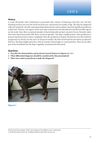
 The dog has Color Dilution Alopecia, causing hair loss and increased risk of skin infections.
 28 citations
,
November 2013 in “The FASEB journal”
28 citations
,
November 2013 in “The FASEB journal” Mice with CBS deficiency are healthier on a low-methionine diet.
 September 1997 in “Journal of the European Academy of Dermatology and Venereology”
 People with acne have more CD4+ immune cells in their skin than healthy people.
166 citations
,
February 2005 in “Behavioural brain research” Vitamin D receptor knockout mice have significant motor impairments but no cognitive deficits.
 September 2025 in “Experimental & Molecular Medicine”
 Small molecules KY19382 and KY19334 may help treat skin cancer by reducing CDK1 levels and blocking harmful cell signals.
 1 citations
,
November 2017 in “The journal of investigative dermatology/Journal of investigative dermatology”
1 citations
,
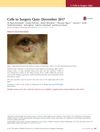
November 2017 in “The journal of investigative dermatology/Journal of investigative dermatology” Mohs micrographic surgery is effective for treating basal cell carcinoma on the eyelid, while radiotherapy has higher recurrence rates, and topical vitamin D3 may reduce and delay BCC formation in mice.
 2 citations
,
June 2020 in “AIDS”
2 citations
,
June 2020 in “AIDS” Recreational drug use can cause misdiagnosed conditions and drug interactions in HIV patients.

Celiac disease requires more than just a gluten-free diet for effective management.
 2 citations
,
October 2022 in “Journal of cosmetic dermatology”
2 citations
,
October 2022 in “Journal of cosmetic dermatology” CBD may increase hair growth, but the right concentration is crucial and more research is needed.
37 citations
,
August 2011 in “Journal of Bone and Mineral Research” A girl had rickets due to a gene mutation affecting vitamin D response.
 April 2023 in “Journal of Investigative Dermatology”
 An oil-in-water emulsion with CBD and ginger root extract significantly improved symptoms of dry and eczema-prone skin.
1 citations
,
October 2024 in “Journal of the Endocrine Society” Bevacizumab may worsen hypothyroidism, so thyroid function should be monitored during treatment.