14 citations
,
September 1999 in “Journal of Investigative Dermatology” Lack of TrkC receptor delays hair follicle development.
 24 citations
,
January 2019 in “Theranostics”
24 citations
,
January 2019 in “Theranostics” Loss of Pten in certain hair follicle stem cells increases skin cancer risk.
 29 citations
,
January 2016 in “International Journal of Dermatology”
29 citations
,
January 2016 in “International Journal of Dermatology” Longer hair loss leads to more severe CCCA; early treatment and avoiding damaging hairstyles help regrowth.
 1 citations
,
April 2017 in “Journal of Investigative Dermatology”
1 citations
,
April 2017 in “Journal of Investigative Dermatology” CCL5 is important for the hair growth potential of human dermal papilla cells.
4 citations
,
March 2024 in “Developmental Dynamics” ALX4 is crucial for normal craniofacial and hair development, with specific roles in different cell types.
 14 citations
,
May 2019 in “Human gene therapy”
14 citations
,
May 2019 in “Human gene therapy” MC-DNA vector-based gene therapy can temporarily treat CBS deficiency in mice.
 May 2017 in “bioRxiv (Cold Spring Harbor Laboratory)”
 The peach gene pCTG134 helps control the interaction between auxin and ethylene hormones during fruit ripening.
 25 citations
,
August 2010 in “Journal of Biological Chemistry”
25 citations
,
August 2010 in “Journal of Biological Chemistry” Nuclear Factor I-C is important for controlling hair growth by affecting the TGF-β1 pathway.
 1 citations
,
June 2022 in “Chinese medical journal/Chinese Medical Journal”
1 citations
,
June 2022 in “Chinese medical journal/Chinese Medical Journal” Two new mutations in the CDH3 gene cause hair loss and vision problems in a young girl.
 April 2018 in “Journal of Investigative Dermatology”
  81 citations
,
November 2012 in “Journal of the National Cancer Institute”
81 citations
,
November 2012 in “Journal of the National Cancer Institute” The tumor suppressor gene FLCN affects mitochondrial function and energy use in cells.
45 citations
,
March 1997 in “Journal of Investigative Dermatology”  1 citations
,
May 2025 in “Scientific Reports”
1 citations
,
May 2025 in “Scientific Reports” The study identified key genes and pathways that influence goat wool quality and growth.
3 citations
,
May 2024 in “Poultry Science” Certain genes are crucial for feather development in Wannan chickens.
29 citations
,
June 2015 in “Kidney International” Disrupting the Flcn gene in mice causes early kidney cysts and tumors, which can be treated with rapamycin.
October 2020 in “Faculty Opinions – Post-Publication Peer Review of the Biomedical Literature” Stem cell niche exit in C. elegans is influenced by Sh1 cell membrane protrusions.
294 citations
,
February 2011 in “Cell” Nephronectin helps attach muscle cells to hair follicles.
January 2022 in “Figshare” lncRNA MTC helps goat skin cells grow and may aid hair growth by controlling proteins linked to cell growth.
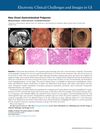 August 2013 in “Gastroenterology”
 A 60-year-old man with Cronkhite-Canada syndrome improved with treatment, but the condition has a high mortality rate and a risk of colorectal cancer.
May 2015 in “European Journal of Paediatric Neurology” ECCL should be considered in patients with specific skin and eye lesions.
 April 2018 in “Journal of Investigative Dermatology”
 Nonmelanoma skin cancers have higher levels of certain osteopontin variants than normal skin.
 July 2022 in “Journal of Investigative Dermatology”
 Dkk4 is necessary for the initial development and arrangement of hair follicles.
5 citations
,
December 1996 in “Biochemical and Biophysical Research Communications” Mouse hair keratins mHa1 and mHb4 can't form a strong network on their own in cells.
 14 citations
,
April 2019 in “Genes”
14 citations
,
April 2019 in “Genes” Researchers found a genetic region that influences the number of coat layers in dogs.
74 citations
,
October 2012 in “The American Journal of Human Genetics” Mutations in the HOXC13 gene cause hair and nail development issues.
 April 2020 in “Journal of the Endocrine Society”
 Non-classic congenital adrenal hyperplasia (NCCAH) can mimic PCOS and requires genetic testing for proper diagnosis and treatment.
 14 citations
,
January 2011 in “Journal of Cutaneous Pathology”
14 citations
,
January 2011 in “Journal of Cutaneous Pathology” CK15 is not a reliable marker for stem cells in damaged hair follicles from patients with CCCA.
October 2025 in “Cell Reports” Regulatory T cells help hair growth by using the Cxcr4-Cxcl12 pathway.
 April 2019 in “Journal of Investigative Dermatology”
 Non-coding RNA boosts retinoic acid production and signaling, aiding regeneration.
January 1964 in “OSTI OAI (U.S. Department of Energy Office of Scientific and Technical Information)” CXCL7 is essential for muscle repair by aiding early neutrophil infiltration.