 August 2019 in “Research Square (Research Square)”
 Certain long non-coding RNAs in cashmere goats affect hair growth when treated with a specific growth factor.
 30 citations
,
January 2021 in “Journal of Clinical Immunology”
30 citations
,
January 2021 in “Journal of Clinical Immunology” FOXN1 mutations can cause varying immune and physical issues, with severity influenced by gene activity and possibly other factors.
55 citations
,
November 2010 in “Journal of Allergy and Clinical Immunology” The L412F variant of TLR3 is linked to skin infections, more viral infections, and autoimmune issues.
 27 citations
,
September 1992 in “The Lancet”
27 citations
,
September 1992 in “The Lancet” ICL is a condition with low CD4+ T cells like AIDS but not caused by HIV, and normal CD4+ T cell counts may vary between men and women.

Different wool coat types in goats are linked to specific gene expressions, which could improve cashmere quality.
 1 citations
,
July 2016 in “Livestock science”
1 citations
,
July 2016 in “Livestock science” Nerve growth factor helps cashmere goat hair cells grow and is more active during the hair growth phase.
October 2025 in “Clinical and Experimental Pediatrics” A novel CLDN1 mutation in a 2-month-old with NISCH showed improvement with symptom management.
September 2024 in “The Journal of Dermatology” Nevus comedonicus can sometimes grow terminal hair, challenging previous beliefs.
 14 citations
,
August 2009 in “Cancer epidemiology”
14 citations
,
August 2009 in “Cancer epidemiology” AHCC reduces hair loss and liver injury caused by chemotherapy in rodents.
April 2010 in “Cancer Research” CDK4 levels affect the number of hair follicle stem cells in mice.
28 citations
,
June 2007 in “Journal of Cutaneous Pathology” IRS premature desquamation is not unique to CCCA and occurs in various scarring alopecias.
December 2024 in “Clinical and Experimental Dermatology” Patients with central centrifugal cicatricial alopecia benefit from shared decision-making with their doctors.
 June 2007 in “Journal of Investigative Dermatology”
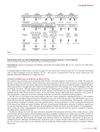
 Title change to "Central Centrifugal Cicatricial Alopecia (CCCA)"; common in African American women; hair-grooming methods may contribute; no effective therapy found; trials needed.
17 citations
,
July 2018 in “Environmental and Experimental Botany” Silencing NtNCED3-2 gene in tobacco reduces drought tolerance and impairs growth.
73 citations
,
January 2002 in “Journal of Investigative Dermatology” Epidermal stem cells don't use gap junctions to communicate.
 July 2016 in “Hair transplant forum international”
 The document's content cannot be summarized because it is not accessible or understandable.
3 citations
,
December 2024 in “Journal of Animal Science” LncRNA MSTRG.14227.1 hinders hair follicle development in cashmere goats, affecting cashmere quality.
1 citations
,
September 2023 in “Animals” A new goat gene affects cashmere fiber thickness; certain variations can make the fibers coarser.
6 citations
,
February 2023 in “Genes” CUX1 boosts sheep hair cell growth and affects curl patterns.
3 citations
,
October 2013 in “International Journal of Rheumatic Diseases” A young woman with severe symptoms of CPAN improved with intensive treatment but needed a leg amputation.
April 2021 in “Journal of Investigative Dermatology” December 2004 in “PLoS ONE” The Foxn1(-/-) phenotype disrupts hair growth and affects skin stem cells.
 2 citations
,
April 2022 in “Clinical, cosmetic and investigational dermatology”
2 citations
,
April 2022 in “Clinical, cosmetic and investigational dermatology” A new plant-based treatment was effective for hair regrowth in women with a specific type of hair loss that didn't respond to usual treatments.
September 2022 in “Indian Journal of Paediatric Dermatology” Clouston syndrome is inherited in an autosomal dominant pattern and caused by a specific gene mutation, with no current treatment available.
 August 2012 in “Nature Cell Biology”
 The tumor suppressor BRCA2 helps in cell division by bringing key proteins to the area where cells split.
58 citations
,
November 2004 in “The journal of investigative dermatology/Journal of investigative dermatology” The Foxn1 gene is essential for normal nail and hair development.
6 citations
,
April 2012 in “PubMed” Enteral supplements can improve symptoms of Cronkhite-Canada syndrome.
 95 citations
,
February 2019 in “The New England Journal of Medicine”
95 citations
,
February 2019 in “The New England Journal of Medicine” Mutations in the PADI3 gene are linked to a higher risk of scarring hair loss in women of African descent.
3 citations
,
June 2004 in “Critical Care Nurse” Genomics can improve patient care by using DNA to create personalized treatment plans.
1 citations
,
January 2019 in “Dermatology Online Journal” A rare skin condition appeared on a 19-year-old woman's scalp.