 April 2019 in “Journal of Investigative Dermatology”
 Merkel cell carcinoma is most likely to recur within two years of diagnosis, and factors like immune suppression, being over 75, and male sex increase this risk.
 4 citations
,
July 2008 in “British journal of dermatology/British journal of dermatology, Supplement”
4 citations
,
July 2008 in “British journal of dermatology/British journal of dermatology, Supplement” Poor response to topical immunotherapy in alopecia areata patients is linked to impaired cell responses.
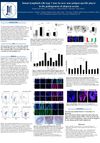
Innate lymphoid cells type 1 may contribute to alopecia areata by damaging hair follicles.
July 2022 in “Journal of Investigative Dermatology” Arg1+ macrophages may play a role in Alopecia Areata, offering new treatment targets.
1 citations
,
January 2025 in “Dermatologic Therapy” Immune checkpoint inhibitors can increase the risk of autoimmune skin diseases, especially bullous pemphigoid.
114 citations
,
September 1985 in “Journal of Investigative Dermatology” July 2024 in “Journal of Investigative Dermatology” Sex and race affect immune responses and treatment outcomes in Hidradenitis suppurativa.
January 2016 in “DOAJ (DOAJ: Directory of Open Access Journals)” Collagen XVII is important for cell functions and its absence can worsen cancer outcomes.
November 2025 in “The Journal of Immunology” A humanized IL-2 fusion protein boosts T regulatory cells and helps control hair loss in Alopecia Areata.
 42 citations
,
August 1999 in “The American journal of pathology”
42 citations
,
August 1999 in “The American journal of pathology” Basal cell carcinomas have much higher levels of Vitamin D3 receptors compared to healthy skin.
February 1985 in “PubMed” 37 citations
,
January 1986 in “Carcinogenesis” ODC expression in mouse skin and tumors is varied and can be inhibited by retinoic acid or cycloheximide.
IL-18 signaling helps mature Tregs move into the thymus.
January 2018 in “Journal of Investigative Dermatology” Blocking certain pathways with kinase inhibitors may help treat cutaneous lupus erythematosus.
September 2017 in “Griffith Research Online (Griffith University, Queensland, Australia)” Blocking IL-17 can reduce joint inflammation in Ross River Virus infections.
53 citations
,
September 2013 in “Journal of Investigative Dermatology” Hair follicle cells help protect against immune attacks by regulating T-cell activity.
1 citations
,
December 2021 Cats likely have a reactive skin condition, while dogs may have a more complex, possibly cancerous one.
 21 citations
,
July 2006 in “Veterinary dermatology”
21 citations
,
July 2006 in “Veterinary dermatology” CD34 marks potential stem cells in dog hair follicles.
9 citations
,
April 2010 in “The Journal of Dermatology” Nestin helps identify certain melanoma cells in nodular melanoma.
8 citations
,
August 1987 in “The Journal of Dermatology” BKN-1 antibody targets specific keratin in basal cell epithelioma and normal skin basal cells.
March 2010 in “European Journal of Cancer Supplements” 11 citations
,
January 2022 in “Experimental Dermatology” Severe CCCA may be biologically and clinically different from milder forms.

CD28 is a promising target for treating alopecia areata with belatacept.

CD28 is a promising target for treating alopecia areata with belatacept.
May 2022 in “Голова и шея.” Checkpoint inhibitor therapy can cause skin issues, from mild rashes to severe reactions.
 November 2022 in “Journal of Investigative Dermatology”
 Scientists found a new type of skin cell that could help with skin repair and these cells work better with a certain protein.
 January 2020 in “Mastology”
 Flow cytometry was effective in diagnosing metastatic breast cancer in a bone marrow sample.
 February 2016 in “The journal of investigative dermatology/Journal of investigative dermatology”
 JAK inhibitors may help treat alopecia areata by reversing hair loss.
 January 2024 in “Wiadomości Lekarskie”
 Enhancing immune response can improve cancer treatment effectiveness.
31 citations
,
October 1992 in “PubMed” A mycobacterial protein shares a similar region with a human skin protein, possibly affecting skin diseases.