Stress can cause hair loss and trigger autoimmunity by damaging hair follicle cells.
 20 citations
,
May 2016 in “Journal of Cutaneous Pathology”
20 citations
,
May 2016 in “Journal of Cutaneous Pathology” Using CD123 to detect certain immune cells helps diagnose a type of hair loss condition.
245 citations
,
April 2009 in “Circulation Research” CD133+ cells help heal diabetic ulcers by promoting blood vessel growth and activating Wnt signaling.
 2 citations
,
July 2009 in “Circulation Research”
2 citations
,
July 2009 in “Circulation Research” CD133+ progenitor cells have therapeutic potential for diabetic ulcers and heart attack recovery, with manageable risks.
1 citations
,
July 2025 in “Scientific Reports” CD133+ cells are crucial for hair growth.
 April 2017 in “Journal of Investigative Dermatology”
 The study found a link between the severity of Lichen Planopilaris seen by doctors and the details seen under a microscope, and created a new way to measure this severity.
 62 citations
,
April 2008 in “Neurobiology of aging”
62 citations
,
April 2008 in “Neurobiology of aging” Scientists found a gene in mice that causes early hearing loss.
 49 citations
,
March 2014 in “Journal of Investigative Dermatology”
49 citations
,
March 2014 in “Journal of Investigative Dermatology” Using the drugs AMD3100 and Tacrolimus together greatly improves skin healing and hair growth after a deep skin cut by increasing stem cells in the wound.
21 citations
,
May 2014 in “Toxicological Sciences” Toluene diisocyanate exposure can cause immune sensitization by interacting with proteins in hair follicles and sebaceous glands.
18 citations
,
July 2012 in “Cell Biology International Reports” Human mesenchymal stem cells can become dermal papilla cells, aiding hair growth.
13 citations
,
September 2017 in “Cytometry Part A” Horse hair follicles could be a new source of stem cells for healing horses.
 8 citations
,
February 2020 in “Fertility and Sterility”
8 citations
,
February 2020 in “Fertility and Sterility” Operative hysteroscopy is still the main treatment for Asherman syndrome, but more research is needed on post-surgery methods.
 5 citations
,
January 2016 in “Elsevier eBooks”
5 citations
,
January 2016 in “Elsevier eBooks” Using a specific binding agent and low doses of FK506 can stimulate stem cells, speeding up skin healing by 25% and improving skin quality in rats and mice.
2 citations
,
April 2025 in “Journal of Investigative Dermatology” T cells affect skin cell genes in inflammatory diseases, and therapy can normalize these changes.
1 citations
,
July 2025 in “Journal of Investigative Dermatology” IL-27 may help prevent hair loss by creating immune-suppressing cells.
April 2026 in “Biomedical and Biotechnology Research Journal (BBRJ)” 3D culture better preserves key properties of hair follicle cells for regeneration.
November 2025 in “Journal of Investigative Dermatology” Chronic refractory alopecia areata has more skin-resident memory T cells, and JAK inhibitors may help reduce them.
ILC1-like cells may contribute to hair loss in alopecia areata.
ILC1-like cells may contribute to hair loss in alopecia areata and could be new treatment targets.
 January 2021 in “Figshare”
 Metformin helps regenerate hair follicles in lab conditions.
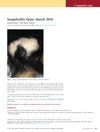 February 2016 in “The journal of investigative dermatology/Journal of investigative dermatology”
 JAK inhibitors may help treat alopecia areata by reversing hair loss.
January 2014 in “Institutional Repositories DataBase (IRDB)” Fibroblast spheres can form stem cells, but marker distribution needs more study.
 January 2012 in “Institutional Repositories DataBase (IRDB)”
 Cells from skin and lung can help regenerate hair follicles.
Using a combination of AMD3100 and FK506 can speed up and improve wound healing in diabetic rats.
 16 citations
,
January 2020 in “Diabetes”
16 citations
,
January 2020 in “Diabetes” A new therapy sped up wound healing and reduced scarring in diabetic rats.
July 2026 in “Frontiers in Immunology” Epidermal resident memory T cells play a crucial role in skin immunity and disease understanding.
 411 citations
,
April 2010 in “Gastroenterology”
411 citations
,
April 2010 in “Gastroenterology” Targeting colon cancer stem cells might lead to better treatment results.
 January 2012 in “heiDOK (Heidelberg University)”
 Dormant melanoma cells in mice interact minimally with memory T cells due to a suppressive tumor environment.
 15 citations
,
April 2017 in “Cell Stem Cell”
15 citations
,
April 2017 in “Cell Stem Cell” Some brain cancer cells avoid immune system detection, and certain treatments could target this to slow their growth; also, certain fat cell precursors help regenerate hair and skin after injury.
August 1994 in “American Journal of Veterinary Research” Monoclonal antibody B72.3 selectively reacts with certain dog tissues, mainly in the gastrointestinal and respiratory tracts.