 20 citations
,
May 2016 in “Journal of Cutaneous Pathology”
20 citations
,
May 2016 in “Journal of Cutaneous Pathology” Using CD123 to detect certain immune cells helps diagnose a type of hair loss condition.
 4 citations
,
November 2016 in “Journal of Cutaneous Pathology”
4 citations
,
November 2016 in “Journal of Cutaneous Pathology” Three characteristics of plasmacytoid dendritic cells help tell apart lupus-related hair loss from LPP.
2 citations
,
June 2025 in “Journal of Investigative Dermatology” CD8+ T cells re-expressing CD45RA may predict treatment resistance in severe alopecia areata.
1 citations
,
January 2022 in “Dermatology Research and Practice” Higher CD70 and CD27 gene expression in alopecia areata lesions predicts disease severity and activity.
1 citations
,
January 2020 in “Indian journal of dermatology, venereology, and leprology” CD117 and platelet-derived growth factor receptor α may play a role in alopecia areata.
 December 2025 in “Babcock University Medical Journal”
 CD27 and IL-35 can help diagnose alopecia areata linked to bacterial infections.
October 2025 in “Cell Death and Disease” CD271 is crucial for maintaining healthy skin and preventing inflammation.
 November 2022 in “The journal of investigative dermatology/Journal of investigative dermatology”
 Deleting the CD271 gene in mouse skin cells leads to disorganized skin and increased hair growth, suggesting CD271 is important for skin health.
 November 2022 in “Journal of Investigative Dermatology”
 Scientists found a new type of skin cell that could help with skin repair and these cells work better with a certain protein.
September 2016 in “Journal of dermatological science” Human induced pluripotent stem cells can be used to create cells that help grow hair.
1 citations
,
July 2025 in “Journal of Investigative Dermatology” IL-27 may help prevent hair loss by creating immune-suppressing cells.
ILC1-like cells may contribute to hair loss in alopecia areata.
ILC1-like cells may contribute to hair loss in alopecia areata and could be new treatment targets.
 160 citations
,
April 2012 in “Journal of Cellular and Molecular Medicine”
160 citations
,
April 2012 in “Journal of Cellular and Molecular Medicine” Telocytes might help with skin repair and regeneration.
 53 citations
,
January 2009 in “Journal of Investigative Dermatology”
53 citations
,
January 2009 in “Journal of Investigative Dermatology” UVB radiation harms hair growth and health, causing cell death and other changes in human hair follicles.
 28 citations
,
March 2010 in “Histochemistry and Cell Biology”
28 citations
,
March 2010 in “Histochemistry and Cell Biology” Different markers are found in stem cells of the scalp's hair follicle bulge and the surrounding skin.
 14 citations
,
February 2020 in “Scientific reports”
14 citations
,
February 2020 in “Scientific reports” Telocytes in the scalp may help with skin regeneration and maintenance.
 14 citations
,
September 2016 in “Journal of Cutaneous Pathology”
14 citations
,
September 2016 in “Journal of Cutaneous Pathology” The document concludes that new methods improve the accuracy of diagnosing scalp alopecia and challenges the old way of classifying it.
11 citations
,
February 2021 in “Frontiers in Bioengineering and Biotechnology” Small molecule treatments improve the ability of human amniotic fluid stem cells to become different cell types.
 11 citations
,
January 2017 in “Oxidative medicine and cellular longevity”
11 citations
,
January 2017 in “Oxidative medicine and cellular longevity” Antroquinonol may help prevent skin depigmentation by suppressing certain immune cells.
December 2024 in “Minia Journal of Medical Research” White hair in alopecia areata may be linked to reduced Sox10 expression.
 August 2023 in “International Journal of Molecular Sciences”
 The human scalp hair bulb contains different types of melanocytes with varying abilities to produce melanin.
The human scalp has different types of pigment cells in hair follicles with varying abilities to produce pigment.
 April 2017 in “Journal of Investigative Dermatology”
 The study found a link between the severity of Lichen Planopilaris seen by doctors and the details seen under a microscope, and created a new way to measure this severity.
 September 2016 in “Journal of dermatological science”
 Epidermal stem cells use integrin β1 and α6 as markers and CD271+ cells help maintain skin health and heal wounds.
1 citations
,
December 2023 in “JAAD International” Mast cells may significantly contribute to central centrifugal cicatricial alopecia.
3 citations
,
April 2021 in “bioRxiv (Cold Spring Harbor Laboratory)” New compounds effective against SARS-CoV-2 variants were identified using a rapid testing method with human lung cells.
 1 citations
,
January 2022 in “PLoS Pathogens”
1 citations
,
January 2022 in “PLoS Pathogens” A new method using human lung cells helps find drugs to block and reduce inflammation from SARS-CoV-2.
November 2019 in “Harper's Textbook of Pediatric Dermatology” Mutations in keratin genes cause skin, hair, and nail disorders, with future treatments possible.
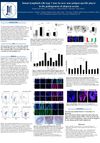
Innate lymphoid cells type 1 may contribute to alopecia areata by damaging hair follicles.