 1 citations
,
May 2015 in “Journal of The American Academy of Dermatology”
1 citations
,
May 2015 in “Journal of The American Academy of Dermatology” Oral clindamycin and rifampicin are the most effective treatments for Folliculitis decalvans.
April 2010 in “Cancer Research” Basal cell carcinomas may use IDO to protect themselves from the immune system.
January 2010 in “Journal of Animal Science” Transcutaneous vaccination using nanoparticles can enhance immune responses and reduce basal cell carcinomas.
5 citations
,
September 2020 in “Proceedings - Baylor University. Medical Center” Tofacitinib successfully treated a woman's severe symptoms from a rare autoimmune condition.
 3 citations
,
August 2023 in “Drug safety”
3 citations
,
August 2023 in “Drug safety” Proactive monitoring and management are essential to maximize the benefits of Trastuzumab Deruxtecan while minimizing serious side effects.
3 citations
,
April 2012 in “Journal of the American Academy of Dermatology” Men with Addison disease should be screened for X-linked adrenoleukodystrophy if they have hair loss.
 April 2023 in “The journal of investigative dermatology/Journal of investigative dermatology”
 SETDB1 is essential for controlling DNA methylation, silencing retrotransposons, and maintaining skin cell health, with its absence leading to skin inflammation and hair loss.
22 citations
,
May 2007 in “Molecular Biotechnology”  39 citations
,
November 2015 in “Pediatric Nephrology”
39 citations
,
November 2015 in “Pediatric Nephrology” Rituximab leads to longer remission and fewer side effects than cyclophosphamide.
1 citations
,
September 2017 in “Zhonghua neifenmi daixie zazhi” Routine genetic testing is crucial for early diagnosis and better management of Turner’s syndrome with 21-hydroxylase deficiency.
 19 citations
,
March 1997 in “Journal of Cutaneous Pathology”
19 citations
,
March 1997 in “Journal of Cutaneous Pathology” Alopecia areata involves specific T-cells, unlike androgenetic alopecia.
12 citations
,
January 2018 in “Journal of Clinical Laboratory Analysis” Certain IL-18 gene variations may increase the risk of alopecia areata.
 19 citations
,
March 2003 in “Journal of Investigative Dermatology”
19 citations
,
March 2003 in “Journal of Investigative Dermatology” Mechlorethamine treatment regrew hair in mice by killing immune cells causing hair loss without harming hair follicles.
3 citations
,
January 2016 in “Journal of Clinical & Cellular Immunology” Targeting CXCL10 may help treat alopecia areata.
1 citations
,
November 2023 in “International Journal of Molecular Sciences” SOX18 helps sheep hair cells grow by activating a specific cell growth pathway.
3 citations
,
September 2016 in “Dermatologic Therapy” Doxycycline helps prevent skin issues from erlotinib in lung cancer patients.
July 2025 in “Journal of Investigative Dermatology” Discoid lupus erythematosus involves immune activation and fibrosis around hair follicles, with shared pathways across humans, dogs, and mice, suggesting potential treatments for both humans and animals.
November 2025 in “Acta Dermato Venereologica” Effective immunomodulatory treatments and a personalized approach are crucial for managing severe folliculitis decalvans.
 2 citations
,
April 2021 in “International Journal of Dermatology”
2 citations
,
April 2021 in “International Journal of Dermatology” COVID-19 can cause skin issues like hives, rashes, and chickenpox-like eruptions, with women aged 31-40 being the most affected.
 January 2023 in “Journal of men's health”
 Higher dihydrotestosterone may be linked to more inflammation in COVID-19 patients with low testosterone.
 1 citations
,
September 2020 in “Journal of Dermatological Science”
1 citations
,
September 2020 in “Journal of Dermatological Science” The gene LRRC15 is more active in balding areas of the scalp compared to non-balding areas.
November 2025 in “OPAL (Open@LaTrobe) (La Trobe University)” DAB labeling effectively identifies collagen type III and PDGFR in horse skin, but may show false positives.
 1 citations
,
November 2024 in “Cureus”
1 citations
,
November 2024 in “Cureus” Recognizing RSCC is crucial due to its aggressive nature and high risk of poor outcomes.
 14 citations
,
February 2021 in “Journal of the European Academy of Dermatology and Venereology”
14 citations
,
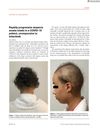
February 2021 in “Journal of the European Academy of Dermatology and Venereology” A COVID-19 patient with severe hair loss did not improve with hair loss medication after stopping and restarting it due to the infection.
 2 citations
,
April 2013 in “Expert Review of Endocrinology & Metabolism”
2 citations
,
April 2013 in “Expert Review of Endocrinology & Metabolism” Identifying nonclassic congenital adrenal hyperplasia and carriers of CYP21 mutations is challenging, and genetic counseling is recommended due to their prevalence.
Farudodstat may effectively treat alopecia areata by protecting hair follicles without harmful effects.
 3 citations
,
March 2020 in “International Journal of Dermatology”
3 citations
,
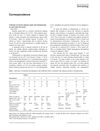
March 2020 in “International Journal of Dermatology” Tildrakizumab showed limited effectiveness in treating chronic alopecia areata in a small group of patients.
 5 citations
,
October 2018 in “American Journal of Clinical Dermatology”
5 citations
,
October 2018 in “American Journal of Clinical Dermatology” Skin problems are common after stem cell transplants, and early treatment by dermatologists can improve patient outcomes.
July 2024 in “Journal of Investigative Dermatology” Patients with cutaneous lupus erythematosus have a higher risk of skin cancer and other cancers.
 April 2023 in “The journal of investigative dermatology/Journal of investigative dermatology”
 The research identified unique metabolic activities in immune cells associated with hair loss in Alopecia Areata.