April 2012 in “Cancer Research” Bone marrow-derived cells can lead to skin inflammation and tumors in mice.
 October 2023 in “Regular and Young Investigator Award Abstracts”
 Baricitinib treatment helped reduce hair loss symptoms in mice by decreasing inflammation-related immune cells.
January 2023 in “Nature Immunology” Certain immune cells help hair growth by regulating iron in the skin.
IL-1 signaling is crucial for hair follicle stem cell growth and wound healing.
 22 citations
,
February 2013 in “Wound Repair and Regeneration”
22 citations
,
February 2013 in “Wound Repair and Regeneration” Mice genetically modified to produce more CD109 in their skin had less inflammation and better healing with less scarring.
245 citations
,
April 2009 in “Circulation Research” CD133+ cells help heal diabetic ulcers by promoting blood vessel growth and activating Wnt signaling.
April 2023 in “Journal of Investigative Dermatology” Chronic graft-versus-host disease in the skin shows strong Th1 immune response and unique barrier issues.
 15 citations
,
April 2017 in “Cell Stem Cell”
15 citations
,
April 2017 in “Cell Stem Cell” Some brain cancer cells avoid immune system detection, and certain treatments could target this to slow their growth; also, certain fat cell precursors help regenerate hair and skin after injury.
November 2025 in “The Journal of Immunology” BST2 is highly expressed in certain immune cells in alopecia areata, suggesting a role in the disease.
 1 citations
,
April 2018 in “Journal of Investigative Dermatology”
1 citations
,
April 2018 in “Journal of Investigative Dermatology” Tofacitinib helped most patients with alopecia areata regrow hair and changes in immune cells were linked to the treatment's effectiveness.
 September 2016 in “Journal of Dermatological Science”
 Plasmacytoid dendritic cells, which overproduce IFN-α, may play a crucial role in starting alopecia areata, an autoimmune disease causing hair loss.
June 2026 in “Journal of Investigative Dermatology”  July 2024 in “Clinical Cosmetic and Investigational Dermatology”
 Certain immune cells are linked to non-scarring hair loss, suggesting potential for immune-targeted treatments.
2 citations
,
May 2022 in “The journal of immunology/The Journal of immunology” BST2 protein and certain T cells increase in early alopecia areata.
 November 2022 in “Journal of Investigative Dermatology”
 Dandruff is linked to changes in the immune system of hair follicles and skin.
 January 2024 in “Wiadomości Lekarskie”
 AI can help diagnose Follicular Lymphoma by accurately identifying specific cell types.
 19 citations
,
March 1997 in “Journal of Cutaneous Pathology”
19 citations
,
March 1997 in “Journal of Cutaneous Pathology” Alopecia areata involves specific T-cells, unlike androgenetic alopecia.
M-CSF-stimulated myeloid cells can turn into skin cells and help heal wounds and regrow hair.
 September 1997 in “Journal of The European Academy of Dermatology and Venereology”
 Skin lymphoproliferative disorders are hard to diagnose and often linked to systemic diseases, but most have a good prognosis with accurate diagnosis.
November 2024 in “Journal of Investigative Dermatology”  116 citations
,
August 2010 in “Nature”
116 citations
,
August 2010 in “Nature” Scientists turned rat thymus cells into stem cells that can help repair skin and hair.
OCT4B1 and SOX-2 levels are higher in Crohn's and ulcerative colitis patients, possibly aiding tissue repair.
12 citations
,
January 1987 in “Carcinogenesis” TCDD changes skin cell growth and keratin production in mice.
July 2025 in “Journal of Investigative Dermatology” Three molecular subtypes of advanced skin T-cell lymphoma were identified, with potential biomarkers for predicting treatment response and disease progression.
 1 citations
,
November 2024 in “Frontiers in Immunology”
1 citations
,
November 2024 in “Frontiers in Immunology” Tertiary lymphoid structures are important in immunotherapy and need more research.
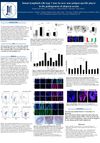
Innate lymphoid cells type 1 may contribute to alopecia areata by damaging hair follicles.
IL-1 and IL-7 help activate cells that boost hair follicle stem cell growth, aiding wound healing.
April 2018 in “The journal of investigative dermatology/Journal of investigative dermatology” Certain immune cells, when activated by specific signals, can encourage hair growth.
3 citations
,
April 2012 in “Cancer research” Mouse skin cancer progression involves a unique group of cells marked by ABCG2 and MTS24.
 160 citations
,
April 2012 in “Journal of Cellular and Molecular Medicine”
160 citations
,
April 2012 in “Journal of Cellular and Molecular Medicine” Telocytes might help with skin repair and regeneration.