1 citations
,
October 2023 in “BMC Genomics” miRNAs in the Dlk1-Gtl2 region may improve lamb fur quality.
29 citations
,
December 2004 in “Developmental biology” cDermo-1 causes dense skin, feathers, and scales in chickens.
57 citations
,
April 2009 in “Differentiation” SDF-1/CXCL12 and its receptor CXCR4 are crucial for melanocyte movement in mouse hair follicles.

Lhx2 is a crucial regulator of the Sonic Hedgehog signaling in early mouse retinal development.
May 2023 in “The Journal of Immunology” Alopecia areata involves unique activation of certain immune cells.
 4 citations
,
November 2016 in “Journal of Cutaneous Pathology”
4 citations
,
November 2016 in “Journal of Cutaneous Pathology” Three characteristics of plasmacytoid dendritic cells help tell apart lupus-related hair loss from LPP.
 2 citations
,
December 2016 in “Experimental cell research”
2 citations
,
December 2016 in “Experimental cell research” The research found a way to identify and study skin cells with stem cell traits, revealing they behave differently in culture and questioning current stemness assessment methods.
11 citations
,
September 2019 in “The journal of investigative dermatology/Journal of investigative dermatology” A specific group of skin stem cells was found to help maintain hair follicle cells.
14 citations
,
October 2017 in “Gene Expression Patterns” A new mouse model helps study melanocyte cells using GFP expression.
 555 citations
,
July 2001 in “Genes & Development”
555 citations
,
July 2001 in “Genes & Development” Tcf3 and Lef1 are key in deciding skin stem cell roles.
 April 2023 in “Journal of Investigative Dermatology”
 PTEN was identified as a specific marker for the skin disease cutaneous lupus erythematosus, and it helps increase the expression of harmful type I interferons.
4 citations
,
May 2022 in “Genes & Diseases” 28 citations
,
November 2013 in “Cell and Tissue Research” 67 citations
,
December 2011 in “Stem Cells and Development” NADPH oxidase 4 is key for stem cell activity and growth under low oxygen.
 9 citations
,
January 2005 in “Pediatric Dermatology”
9 citations
,
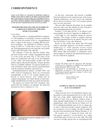
January 2005 in “Pediatric Dermatology” Fox Fordyce disease can occur in prepubertal girls and may be underdiagnosed.
 November 2023 in “Animal Bioscience”
 miR-133a-3p and miR-145-5p help goat hair follicle stem cells differentiate by controlling NANOG and SOX9.
 308 citations
,
September 2010 in “Nucleic acids research”
308 citations
,
September 2010 in “Nucleic acids research” Increasing mir-302 turns human hair cells into stem cells by changing gene regulation and demethylation.
 8 citations
,
September 2017 in “Scientific Reports”
8 citations
,
September 2017 in “Scientific Reports” MAD2B slows down the growth of skin cells that are important for hair development by interacting with TCF4.
 8 citations
,
January 2017 in “Stem Cells International”
8 citations
,
January 2017 in “Stem Cells International” A protein called sFRP4 from skin cells stops the development of pigment-producing cells in hair.
33 citations
,
October 2006 in “European Journal of Immunology” The CD44-CD49d complex boosts T cell activation and survival in autoimmune disease.
 173 citations
,
January 2014 in “Nature Cell Biology”
173 citations
,
January 2014 in “Nature Cell Biology” Wnt signaling controls whether hair follicle stem cells stay inactive or regenerate hair.
1 citations
,
May 2024 in “Communications Biology” Dab2 protein is crucial for hair follicle stem cell renewal and preventing early aging.
1 citations
,
December 2018 in “IOP conference series. Materials science and engineering” CD34+ hair follicle stem cells can become melanin-producing cells for treating skin conditions.
4 citations
,
February 2023 in “International Journal of Stem Cells” The FTO gene hinders stem cells in hair follicles from becoming pigment cells.
April 2019 in “Journal of Investigative Dermatology” FGFR2 signaling controls Merkel cell formation in different skin regions.
 June 2020 in “The journal of investigative dermatology/Journal of investigative dermatology”
 Topical treatments led to hair regrowth in a man with linear morphea.
55 citations
,
November 2010 in “Journal of Allergy and Clinical Immunology” The L412F variant of TLR3 is linked to skin infections, more viral infections, and autoimmune issues.
November 2025 in “Journal of Investigative Dermatology” Certain CD8+ T cells attack hair follicles in alopecia areata, suggesting they could be targeted for treatment.
60 citations
,
October 2020 in “Nature Communications” AP-1 and TGFß work together to drive resistance in basal cell carcinoma, suggesting new treatment options.
41 citations
,
April 2019 in “PLOS genetics” CD34+ and CD34- melanocyte stem cells have different regenerative abilities.