 December 2025 in “Journal of Advanced Biotechnology and Experimental Therapeutics”
 Mesenchymal stem cells may help reduce melanin in UV-exposed mice.
1 citations
,
September 2020 in “bioRxiv (Cold Spring Harbor Laboratory)” γδ T cells are crucial for early wound healing after a skin virus infection.
April 2023 in “Journal of Investigative Dermatology” Targeting mTOR in myeloid cells may help reduce psoriasis symptoms.
2 citations
,
May 2023 in “The Journal of Immunology” NXC736 significantly reduced hair loss in mice with alopecia areata.
26 citations
,
September 2023 in “Journal of Allergy and Clinical Immunology” Regulatory T cells help prevent autoimmunity and have potential for treating autoimmune diseases.
 3 citations
,
October 2024 in “Frontiers in Medicine”
3 citations
,
October 2024 in “Frontiers in Medicine” Sun-exposed skin shows different cell activity and gene expression, suggesting targets to prevent skin aging and cancer.
March 2026 in “Skin Appendage Disorders” Belatacept may be a promising treatment for alopecia areata.
 21 citations
,
January 2024 in “Science Immunology”
21 citations
,
January 2024 in “Science Immunology” Regulatory T cells protect hair follicle stem cells by maintaining immune privilege in the skin.
 192 citations
,
March 2017 in “Cell host & microbe”
192 citations
,
March 2017 in “Cell host & microbe” Hair follicle development and microbes help regulatory T cells gather in newborn skin.
 November 2018 in “Klinická farmakologie a farmacie”
 Alopecia in young women improves with effective treatment.
 May 2017 in “Neurologie pro praxi”
 Hair loss from multiple sclerosis treatments is usually temporary.
Tofacitinib and low-dose IL-2 may help maintain hair regrowth in alopecia areata without ongoing treatment.
April 2017 in “The journal of investigative dermatology/Journal of investigative dermatology” Researchers found that certain miRNAs, which affect immune system regulation, are differently expressed in mice with a hair loss condition compared to healthy mice.
 5 citations
,
January 2021 in “iScience”
5 citations
,
January 2021 in “iScience” Using a combination of specific cell cycle regulators is better for safely keeping hair root cells alive indefinitely compared to cancer-related methods.

Secukinumab treatment may cause HBV reactivation and hair discoloration.
8 citations
,
April 2016 in “Experimental dermatology” B6.Cg-Tyr c−2J Hr hr /J mice have a stronger delayed sunburn reaction and are good for UV research.
July 2024 in “Journal of Investigative Dermatology” Patients with cutaneous lupus erythematosus have a higher risk of skin cancer and other cancers.
 2 citations
,
May 2019 in “Advances in wound care”
2 citations
,
May 2019 in “Advances in wound care” Blood-derived CD34+ cells speed up healing, reduce scarring, and regrow hair in skin wounds.
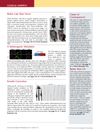 January 2016 in “Experimental Dermatology”
 New findings suggest potential treatments for melanoma, hyperpigmentation, hair defects, and multiple sclerosis, and show skin microbiome changes don't cause atopic dermatitis.
28 citations
,
July 2005 in “Journal of Investigative Dermatology” Sca-1+ cells in newborn mouse skin may become fat cells.
 8 citations
,
March 2014 in “American Journal of Pathology”
8 citations
,
March 2014 in “American Journal of Pathology” Damaged hair follicles make mice more prone to skin inflammation and skin cancer after UV exposure.
54 citations
,
August 1981 in “British Journal of Dermatology” Alopecia areata is linked to reduced T cell function and auto-immunity.
September 2017 in “The journal of investigative dermatology/Journal of investigative dermatology” Different types of human skin cells respond uniquely to various colors and doses of light, which could lead to specialized light treatments for skin conditions.
31 citations
,
October 2019 in “Genes & Diseases” Basal cell carcinomas and squamous cell carcinomas have different gene activity patterns, suggesting unique treatment approaches.
 December 2025 in “International Journal of Surgery”
 GBP1 is a key target for treating Epstein-Barr virus-related kidney cancer, and finasteride may help.
The balance between cell renewal and differentiation controls the growth of cancerous cells in mouse skin.
 39 citations
,
May 2014 in “Frontiers in Pharmacology”
39 citations
,
May 2014 in “Frontiers in Pharmacology” Special immune cells called Tregs can help prevent lung scarring by blocking a specific growth factor.
 20 citations
,
November 2019 in “Current Opinion in Systems Biology”
20 citations
,
November 2019 in “Current Opinion in Systems Biology” The document concludes that computational models are useful for understanding immune responses and could improve cancer immunotherapy.
February 2026 in “Journal of Allergy and Clinical Immunology” Alopecia areata involves immune system issues and specific cell types that disrupt hair growth, leading to hair loss.
 68 citations
,
September 2003 in “British Journal of Dermatology”
68 citations
,
September 2003 in “British Journal of Dermatology” Shrinking skin cancer increases the chance of cancer in nearby lymph nodes.