 14 citations
,
January 2011 in “Journal of Cutaneous Pathology”
14 citations
,
January 2011 in “Journal of Cutaneous Pathology” CK15 is not a reliable marker for stem cells in damaged hair follicles from patients with CCCA.
13 citations
,
August 2017 in “Journal of Cellular Physiology” PD‐L1 and PD‐L2 may not effectively control immune activation in alopecia areata.
 April 2023 in “Journal of Investigative Dermatology”
 Changing YBX1 protein activity affects skin stem cell function and aging.
 5 citations
,
June 2022 in “Frontiers in immunology”
5 citations
,
June 2022 in “Frontiers in immunology” Increasing Treg cells in the skin does not cure hair loss from alopecia areata in mice.
 123 citations
,
September 1987 in “JAMA”
123 citations
,
September 1987 in “JAMA” IL-2 treatment causes skin eruptions and other reversible side effects, and may play a role in psoriasis.
 13 citations
,
June 2007 in “Journal of Dermatological Science”
13 citations
,
June 2007 in “Journal of Dermatological Science” Researchers created a cell line to study hair growth and found specific genes affected by dihydrotestosterone.
33 citations
,
March 1994 in “PubMed” High ODC and low K1 and K10 may indicate early skin tumors in mice.
 December 2025 in “Babcock University Medical Journal”
 CD27 and IL-35 can help diagnose alopecia areata linked to bacterial infections.
September 2023 in “Journal of the American Academy of Dermatology” Bullous pemphigoid can look like erythema multiforme, so awareness is needed for proper treatment.
July 2024 in “Journal of Investigative Dermatology” A KLK5 inhibitor effectively improved skin symptoms in a mouse model of Netherton Syndrome.
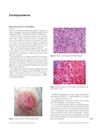 October 2010 in “International Journal of Dermatology”
 An 86-year-old man with prostate cancer was diagnosed with a rare, low-grade breast cancer and underwent surgery but declined additional hormone therapy.
 January 2019 in “Annals of Dermatology”
 HIV patients in Korea often have skin diseases like fungal infections, folliculitis, and seborrheic dermatitis, which are less common with effective HIV treatment.
January 1964 in “OSTI OAI (U.S. Department of Energy Office of Scientific and Technical Information)” CXCL7 is essential for muscle repair by aiding early neutrophil infiltration.
 June 2025 in “bioRxiv (Cold Spring Harbor Laboratory)”
 In alopecia areata, certain immune cells increase and express a protein linked to immune activation.
Keratinocytes can reduce the survival of certain melanoma cells, suggesting new therapy paths.
3 citations
,
April 2023 in “Cytotechnology”  April 2023 in “Journal of Investigative Dermatology”
 The research developed methods to test drugs that could protect and restore hair follicle protection in a hair loss condition.
 16 citations
,
August 2015 in “Journal of Experimental & Clinical Cancer Research”
16 citations
,
August 2015 in “Journal of Experimental & Clinical Cancer Research” The photolyase-based device significantly changed the size and heat of potential skin cancer areas in patients.
 16 citations
,
January 2001 in “Clinical and Experimental Dermatology”
16 citations
,
January 2001 in “Clinical and Experimental Dermatology” Photodynamic therapy was effective in treating multiple scalp basal cell carcinomas with minimal side effects and good cosmetic results.
1 citations
,
January 1989 Four antibodies were developed to help study hair follicle cell differentiation.
 April 2023 in “Journal of Investigative Dermatology”
 Skin cells and immune cells change in a skin condition called hidradenitis suppurativa, and a certain treatment can improve these changes.
1 citations
,
December 2020 in “International journal of molecular sciences” External factors can cause skin cancer cells that usually don't spread to grow and form tumors in mice.
A 70-year-old man with skin cancer on both sides of his forehead was treated with surgery and cryotherapy, highlighting the need for early detection and prevention.
 3 citations
,
February 2005 in “Lung Cancer”
3 citations
,
February 2005 in “Lung Cancer” The new chemotherapy combination for advanced lung cancer showed a 35.7% response rate but caused significant side effects.
193 citations
,
June 1990 in “Journal of Investigative Dermatology” April 2019 in “The journal of investigative dermatology/Journal of investigative dermatology” Blocking JAK1 or JAK3 helps reverse hair loss in a mouse model of alopecia areata.
16 citations
,
March 2021 in “Frontiers in cell and developmental biology” A new method using Y-27632 improves the growth and quality of human hair follicle stem cells for tissue engineering and therapy.
5 citations
,
April 2019 in “Journal of Investigative Dermatology” Oral JAK inhibitors improved alopecia areata by modulating immune responses and boosting hair growth.
2 citations
,
May 2025 in “Journal of the European Academy of Dermatology and Venereology” Ritlecitinib improves hair regrowth in alopecia areata over 24 months.
1 citations
,
May 2023 in “The Journal of Immunology” CD4 T cells can cause alopecia areata by activating CD8 T cells to attack hair follicles.