April 2024 in “International journal of molecular sciences” Alopecia areata and vitiligo share immune system dysfunction but differ in specific immune responses and affected areas.
March 2024 in “International journal of molecular sciences” taVNS reduces vitiligo symptoms in mice.
 July 2023 in “The journal of investigative dermatology/Journal of investigative dermatology”
 Assessing CD8+ T cell levels before surgery may improve vitiligo treatment outcomes.
 May 2020 in “JAAD case reports”
 Using anthralin and calcipotriene together might help treat tough cases of alopecia areata, but more research is needed to understand how it works.
April 2019 in “Journal of Investigative Dermatology” The humanized AA mouse model is better for testing new alopecia areata treatments.
July 2025 in “Journal of Investigative Dermatology” Scarring alopecia involves increased immune cells and specific gene changes near damaged hair follicles.
 November 2022 in “Journal of Investigative Dermatology”
 Dandruff is linked to changes in the immune system of hair follicles and skin.
New treatments for alopecia areata, like JAK inhibitors and immunomodulators, are promising.
Alopecia areata is an autoimmune disease that targets hair follicles.
 March 2023 in “Research Square (Research Square)”
 Immune changes and specific genes contribute to male hair loss.
34 citations
,
June 2020 in “British journal of dermatology/British journal of dermatology, Supplement” Frontal fibrosing alopecia is linked to increased immune system activity and reduced stem cells, suggesting early treatment targeting this pathway might prevent hair follicle damage.
December 2021 in “OPAL (Open@LaTrobe) (La Trobe University)” New therapies like JAK inhibitors and stem cells show promise in treating vitiligo.
 August 2016 in “Journal of Investigative Dermatology”
 Blocking the CCR5 receptor may be a new way to treat hair loss from alopecia areata.
 7 citations
,
November 2007 in “Annales de Dermatologie et de Vénéréologie”
7 citations
,
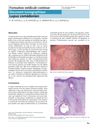
November 2007 in “Annales de Dermatologie et de Vénéréologie” A man was diagnosed with a rare form of lupus after showing unique skin symptoms that responded well to treatment.
 5 citations
,
September 1989 in “Journal of The American Academy of Dermatology”
5 citations
,
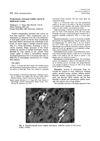
September 1989 in “Journal of The American Academy of Dermatology” Talc in street cocaine can cause immune-reactive skin nodules where injected.
 January 2024 in “International journal of homoeopathic sciences”
 Early intervention and patient education are crucial for managing alopecia areata.
 November 2022 in “The journal of investigative dermatology/Journal of investigative dermatology”
 New imaging technology can show up to 40 different markers in hair loss tissue, helping to understand hair disease better.
 April 2017 in “Journal of Investigative Dermatology”
 The study found a link between the severity of Lichen Planopilaris seen by doctors and the details seen under a microscope, and created a new way to measure this severity.
 September 2021 in “CRC Press eBooks”
 Lichen planopilaris causes permanent hair loss and scarring due to damage to hair follicles and can be mistaken for other hair loss conditions.
 82 citations
,
March 2016 in “Autoimmunity reviews”
82 citations
,
March 2016 in “Autoimmunity reviews” Animal models have helped understand hair loss from alopecia areata and find new treatments.
 74 citations
,
May 2016 in “Current opinion in pediatrics, with evaluated MEDLINE/Current opinion in pediatrics”
74 citations
,
May 2016 in “Current opinion in pediatrics, with evaluated MEDLINE/Current opinion in pediatrics” Both vitiligo and alopecia areata involve an immune response triggered by stress and specific genes, with treatments targeting this pathway showing potential.
45 citations
,
May 2024 in “International Journal of Molecular Sciences” Alopecia areata is caused by immune attacks on hair follicles, affecting hair growth and quality of life.
42 citations
,
April 2021 in “JCI insight” Blocking JAK3 signaling can reverse hair loss from alopecia areata.
18 citations
,
February 2023 in “eLife” ILC1-like cells can independently cause alopecia areata.
 5 citations
,
June 2022 in “Frontiers in immunology”
5 citations
,
June 2022 in “Frontiers in immunology” Increasing Treg cells in the skin does not cure hair loss from alopecia areata in mice.
5 citations
,
June 2012 in “Journal of Investigative Dermatology” A new mouse model for vitiligo helps study immune responses and potential treatments.
3 citations
,
July 2023 in “International journal of molecular sciences” Stress may contribute to hair loss in alopecia areata by affecting immune responses and cell death in hair follicles.
 1 citations
,
April 2019 in “The journal of investigative dermatology/Journal of investigative dermatology”
1 citations
,
April 2019 in “The journal of investigative dermatology/Journal of investigative dermatology” Melanocyte-associated antigens may play a key role in alopecia areata and could be targets for new treatments.
ILC1-like cells can independently cause alopecia areata by affecting hair follicles.
 April 2021 in “Sohag Medical Journal”
 Alopecia areata is an autoimmune condition causing hair loss, linked to genetic factors and immune system issues, with no cure yet.