 January 2026 in “Frontiers in Molecular Biosciences”
 A new method helps diagnose alopecia areata using specific gene markers and could guide targeted treatments.
 April 2024 in “Proceedings”
 People with alopecia areata often have lower iron levels than healthy people.
 January 2022 in “The Egyptian Journal of Hospital Medicine”
 Higher IL-21 levels may help predict alopecia areata activity.
 November 2018 in “The Journal of Allergy and Clinical Immunology: In Practice”
 Using old drugs for new uses can help treat rare immune deficiencies.
 March 2024 in “Poster presentations”
 A woman with lupus and Kikuchi-Fujimoto disease improved with treatment.
 23 citations
,
January 2009 in “Veterinary Dermatology”
23 citations
,
January 2009 in “Veterinary Dermatology” The hepatitis B vaccine did not cause hair loss in the tested mice.
 1 citations
,
April 2017 in “Journal of Investigative Dermatology”
1 citations
,
April 2017 in “Journal of Investigative Dermatology” Cilostazol may help hair grow and could be a new treatment for hair loss.
 April 2017 in “Journal of Investigative Dermatology”
 The protein CTCF is essential for skin development, maintaining hair follicles, and preventing inflammation.
 April 2017 in “Journal of Investigative Dermatology”
 Dermal Wnt/β-catenin signaling is important for the proper size and development of hair follicles.

The document provides 70 multiple choice questions to improve haematology skills.

The document tests knowledge and decision-making in hematology through multiple-choice questions.
 1 citations
,
January 2015 in “Springer eBooks”
1 citations
,
January 2015 in “Springer eBooks” The document says a skin condition called alopecia areata causes hair loss and stress, and is treated with strong skin creams, injections, or other therapies, but treatment success varies.
 2 citations
,
January 2013 in “International Journal of Dermatology”
2 citations
,
January 2013 in “International Journal of Dermatology” ALDOA levels drop in hair cells during hair loss.
 6 citations
,
November 2017 in “Dermatologic Therapy”
6 citations
,
November 2017 in “Dermatologic Therapy” Combining mometasone furoate cream with adapalene gel is safer and more effective for hair regrowth in alopecia areata than using the cream alone.
 July 2021 in “Clinical case reports and studies”
 Topical diphencyprone effectively treated a 9-year-old boy's alopecia areata with fewer side effects.
 April 2018 in “The journal of investigative dermatology/Journal of investigative dermatology”
 Samcyprone ointment is effective for treating common warts if a sensitization reaction occurs first.
 January 2025 in “International Journal of Dermatology Venereology and Leprosy Sciences”
 Obesity worsens skin health and losing weight can improve skin conditions.
 238 citations
,
November 2016 in “Journal of The American Academy of Dermatology”
238 citations
,
November 2016 in “Journal of The American Academy of Dermatology” Tofacitinib is effective and safe for severe hair loss, but full regrowth is less likely after 10 years of hair loss.
 222 citations
,
September 2016 in “JCI insight”
222 citations
,
September 2016 in “JCI insight” Tofacitinib is safe and effective for severe alopecia areata, but hair loss may return 2 months after stopping treatment.
 144 citations
,
July 2015 in “Clinical, Cosmetic and Investigational Dermatology”
144 citations
,
July 2015 in “Clinical, Cosmetic and Investigational Dermatology” Alopecia areata is a common autoimmune disease affecting about 2% of people, causing significant disability and often associated with mental health issues and other autoimmune conditions.
 119 citations
,
October 2011 in “Journal of Veterinary Internal Medicine”
119 citations
,
October 2011 in “Journal of Veterinary Internal Medicine” Rhodococcus equi causes severe pneumonia in young foals, and effective vaccines are needed due to foals' weak immune responses.
 70 citations
,
February 2015 in “Expert Opinion on Drug Discovery”
70 citations
,
February 2015 in “Expert Opinion on Drug Discovery” Topical drugs and near-infrared light therapy show potential for treating alopecia.
 65 citations
,
May 2017 in “Advances in wound care”
65 citations
,
May 2017 in “Advances in wound care” Toll-like receptors are important for wound healing, but can slow it down in diabetic wounds.
 61 citations
,
January 2019 in “American Journal of Clinical Dermatology”
61 citations
,
January 2019 in “American Journal of Clinical Dermatology” The cause of Frontal Fibrosing Alopecia is unclear, diagnosis involves clinical evaluation and various treatments exist, but their effectiveness is uncertain.
 41 citations
,
December 2015 in “JAMA Dermatology”
41 citations
,
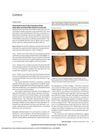
December 2015 in “JAMA Dermatology” Tofacitinib citrate improved nail dystrophy and pain in patients with alopecia universalis without causing side effects.
 29 citations
,
February 2016 in “International Journal of Dermatology”
29 citations
,
February 2016 in “International Journal of Dermatology” People with lichen planus are more likely to have dyslipidemia, especially higher triglyceride levels.
 24 citations
,
June 2018 in “Reviews in endocrine and metabolic disorders”
24 citations
,
June 2018 in “Reviews in endocrine and metabolic disorders” Thyroid diseases may contribute to autoimmune skin diseases, and more research is needed on their relationship.
 23 citations
,
July 2008 in “British journal of dermatology/British journal of dermatology, Supplement”
23 citations
,
July 2008 in “British journal of dermatology/British journal of dermatology, Supplement” Topical contact sensitizers can treat certain skin conditions but are rarely used in the U.K.
 14 citations
,
November 2020 in “International Journal of Molecular Sciences”
14 citations
,
November 2020 in “International Journal of Molecular Sciences” Advanced therapies like gene, cell, and tissue engineering show promise for hair regrowth in alopecia, but their safety and effectiveness need more verification.
 14 citations
,
January 2020 in “Advances in Dermatology and Allergology”
14 citations
,
January 2020 in “Advances in Dermatology and Allergology” Higher interleukin-15 levels are linked to more severe alopecia areata, but not to age or gender.