 November 2022 in “Journal of Investigative Dermatology”
 The fragrance cyclohexyl salicylate helps promote hair growth and increase hair stem cell numbers.
 November 2022 in “The journal of investigative dermatology/Journal of investigative dermatology”
 New imaging technology can show up to 40 different markers in hair loss tissue, helping to understand hair disease better.
 November 2022 in “The journal of investigative dermatology/Journal of investigative dermatology”
 TYK2 inhibition may help treat alopecia areata by promoting hair growth and reducing immune response.
 November 2022 in “Journal of the Endocrine Society”
 Always consider xanthomatous hypophysitis before deciding on pituitary surgery.

Collagen peptides may help maintain hair growth and could be beneficial for hair loss conditions.
 July 2022 in “Journal of Investigative Dermatology”
 Cyclohexyl salicylate promotes human hair growth and increases certain hair follicle stem cell progeny.
May 2022 in “The journal of immunology/The Journal of immunology” FOXN1 is crucial for thymus development and immune response in Xenopus laevis.
 May 2022 in “Journal of Immunology”
 A parasite molecule can speed up skin healing and reduce scarring.
January 2022 in “Yokohama National University Repository (Yokohama National University)” Exosomes from dermal papilla cells may help treat hair loss by promoting hair growth.
April 2021 in “Journal of Investigative Dermatology” Early-stage skin substitutes improve wound healing and skin structure.
 March 2020 in “Central European Journal of Biology”
 The study found that stem cells and neutrophils are important for regenerating hair follicle structures in mice.
March 2020 in “DOAJ (DOAJ: Directory of Open Access Journals)” Hair follicle stem cells improve burn wound healing and strength in rats.
 September 2019 in “Journal of Investigative Dermatology”
 Mouse skin fibroblasts vary in function and adaptability based on their environment.
 June 2019 in “The Egyptian Journal of Histology”
 Hyaluronic acid injections improve skin thickness and quality, protecting against aging in rats.

Using a combination of AMD3100 and FK506 can speed up and improve wound healing in diabetic rats.
October 2017 in “Journal of Investigative Dermatology” Pemphigus vulgaris involves specific immune cells and B cells that produce antibodies causing skin blisters.
 May 2017 in “Journal of The American Academy of Dermatology”
 LED light helps human hair root cells grow and move by activating certain cell pathways.
 May 2017 in “Journal of The American Academy of Dermatology”
 LED light helps human hair root cells grow and prevents them from dying by activating specific growth pathways.
April 2016 in “The journal of investigative dermatology/Journal of investigative dermatology” Combining UVB irradiation and anti-CD154 antibody improves hair follicle transplant survival.
 April 2016 in “Journal of Investigative Dermatology”
 A specific type of immune cells, called CD301b-expressing macrophages, are crucial for skin repair processes.
Alopecia areata is reversible because hair follicles can regenerate due to stem cells.
July 2014 in “Faculty Opinions – Post-Publication Peer Review of the Biomedical Literature” AA-PRP injections significantly promote hair growth but need better study design for clear efficacy.
April 2013 in “Cancer Research” SKH1 hairless mice have identifiable epidermal stem cells with specific markers.
 April 2012 in “Informa Healthcare eBooks”
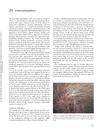
 Lichen planopilaris is a rare, chronic condition causing hair loss, mainly in middle-aged women, and early treatment is important to prevent permanent baldness.
April 2012 in “Cancer Research” Stat3 influences keratinocyte stem cell behavior, affecting differentiation and migration.
January 2012 in “DigtalCommons @ Texas Medical Center Library (Texas Medical Center)” Stat3 affects skin cancer development by altering keratinocyte stem cell behavior.
January 2011 in “Junshi yixue” A mouse model for studying scleroderma in chronic graft-versus-host disease was successfully created.
April 2010 in “Cancer Research” Stat3 activation increases hair follicle progenitors but reduces bulge region stem cells.
January 2008 in “Di-san junyi daxue xuebao” Rat hair follicle stem cells can become corneal epithelium-like cells when exposed to rabbit corneal limbal stroma.
June 2005 in “Journal of Investigative Dermatology” A bull with a gene mutation was asymptomatic, synthetic retinoids cause hair loss, and new therapeutic targets were identified for skin diseases.