10 citations
,
October 2018 in “Journal of molecular and cellular cardiology/Journal of Molecular and Cellular Cardiology” The gene NM_026333 slows down aging by affecting the NCX1 pathway and could be targeted for anti-aging treatments.
 January 2024 in “Wiadomości Lekarskie”
 Low-penetration genes might help personalize colorectal cancer prevention.
35 citations
,
December 2017 in “Journal of Experimental Botany” AtCSLD3 and GhCSLD3 genes enhance root growth and cell elongation in plants.
 48 citations
,
January 2003 in “Fertility and Sterility”
48 citations
,
January 2003 in “Fertility and Sterility” There's no significant link between the D19S884 marker at the insulin receptor gene and polycystic ovary syndrome.
3 citations
,
March 2025 in “Science Advances” A specific DNA duplication in Polish chickens affects feather shape by altering gene expression.
December 2019 in “The American Journal of Gastroenterology” Small bowel lesions in Cronkhite-Canada syndrome persist despite steroid treatment.
46 citations
,
October 2012 in “Seminars in reproductive medicine” Genetic defects in androgen production are linked to male developmental disorders and are improving treatment understanding.
1 citations
,
July 2006 in “Journal of Investigative Dermatology” A 4kb fragment of the desmocollin 3 promoter targets gene expression to specific skin and hair follicle areas.
5 citations
,
January 2017 in “Arquivos Brasileiros de Oftalmologia” A rare genetic disorder causes sparse hair and vision loss due to a CDH3 gene mutation.
 1 citations
,
April 2017 in “Journal of Investigative Dermatology”
1 citations
,
April 2017 in “Journal of Investigative Dermatology” CCL5 is important for the hair growth potential of human dermal papilla cells.

Cadd4 effectively reduces cholesterol levels without side effects.
 April 2019 in “The journal of investigative dermatology/Journal of investigative dermatology”
 Targeting cholesterol, fatty acids, fibrosis, and mast cells may help treat CCCA.
 19 citations
,
August 2020 in “Gastroenterology report”
19 citations
,
August 2020 in “Gastroenterology report” There is no standard treatment for the rare Cronkhite–Canada syndrome, which can be fatal and lead to cancer.
148 citations
,
May 2012 in “The American Journal of Human Genetics” Cantú syndrome is caused by mutations in the ABCC9 gene.
15 citations
,
June 2019 in “Biochemical Journal” A new genetic disorder caused by an ODC1 mutation can be treated with DFMO.
 7 citations
,
March 2018 in “Asian-Australasian journal of animal sciences”
7 citations
,
March 2018 in “Asian-Australasian journal of animal sciences” OCIAD2 and DCN genes affect hair growth in goats by having opposite effects on a growth signaling pathway and inhibiting each other.
477 citations
,
March 2004 in “Proceedings of the National Academy of Sciences” The DMI3 gene is essential for nodule development and symbiosis in certain plants.
1 citations
,
February 1991 in “Journal of Biological Chemistry”  1 citations
,
January 2022 in “Research Square (Research Square)”
1 citations
,
January 2022 in “Research Square (Research Square)” CRISPR/Cas9 editing in spinach affects root hair growth by altering specific genes.
 5 citations
,
June 2017 in “in Vivo”
5 citations
,
June 2017 in “in Vivo” Vitamin C deficiency changes gene expression, affecting skin and hair health.
March 2026 in “Journal of Investigative Dermatology” Genetic factors, especially PADI3 gene variants, contribute to CCCA in women of African descent.
53 citations
,
August 2017 in “Journal of Investigative Dermatology”  15 citations
,
November 2022 in “Cell Death and Disease”
15 citations
,
November 2022 in “Cell Death and Disease” CEP135 may predict cancer outcomes, and targeting PLK1 could help treat certain sarcomas.
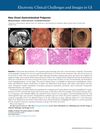 August 2013 in “Gastroenterology”
 A 60-year-old man with Cronkhite-Canada syndrome improved with treatment, but the condition has a high mortality rate and a risk of colorectal cancer.
June 2023 in “bioRxiv (Cold Spring Harbor Laboratory)” Scientists created cell lines to study a genetic skin disorder using CRISPR technology.
Deleting the MAD2L1 gene is tolerated in certain mouse cancer models.
29 citations
,
June 2015 in “Kidney International” Disrupting the Flcn gene in mice causes early kidney cysts and tumors, which can be treated with rapamycin.
1 citations
,
January 2013  81 citations
,
July 2008 in “The Journal of Clinical Endocrinology and Metabolism”
81 citations
,
July 2008 in “The Journal of Clinical Endocrinology and Metabolism” Certain mutations in the H6PD gene cause Cortisone Reductase Deficiency by affecting hormone production.
91 citations
,
December 2019 in “The EMBO Journal” NEDD4 and NEDD4L help control intestinal stem cells and prevent tumors by breaking down the LGR5 receptor.