 April 2021 in “Journal of Investigative Dermatology”
 The research found genes that may protect certain scalp cells from hair loss.
 25 citations
,
April 2015 in “Journal of Investigative Dermatology”
25 citations
,
April 2015 in “Journal of Investigative Dermatology” GasderminA3 is important for normal hair cycle transitions by controlling Wnt signaling.
 16 citations
,
January 2011 in “Archives of Dermatological Research”
16 citations
,
January 2011 in “Archives of Dermatological Research” The study found that expanded skin regenerates similarly to normal skin, with 77 genes playing a role in the process.
 25 citations
,
March 2017 in “Archives of Dermatological Research”
25 citations
,
March 2017 in “Archives of Dermatological Research” Sinapic acid may help hair growth by activating a specific cell pathway.
6 citations
,
December 2019 in “Frontiers in genetics” GLI1 might protect against the start of skin cancer and is not linked to cancer severity.
 4 citations
,
March 2014 in “The FASEB Journal”
4 citations
,
March 2014 in “The FASEB Journal” The HIF-2α/ARNT complex is important for hair follicle development by controlling cell growth.
 January 2026 in “Scientific Reports”
 Sesamin may help treat hair loss by affecting specific cell pathways.
 January 2026 in “Communications Biology”
 Yak hair follicles adapt to cold through specific gene regulation, enhancing cell growth.
 January 2023 in “Research Square (Research Square)”
 IGF2BP3 gene is up-regulated in keloid patients, suggesting potential targets for treatment.
 August 2015 in “MOJ proteomics & bioinformatics”
 ePUKs could be valuable for regenerative medicine due to their wound healing abilities.
 25 citations
,
August 2010 in “Journal of Biological Chemistry”
25 citations
,
August 2010 in “Journal of Biological Chemistry” Nuclear Factor I-C is important for controlling hair growth by affecting the TGF-β1 pathway.
 53 citations
,
January 2009 in “Journal of Investigative Dermatology”
53 citations
,
January 2009 in “Journal of Investigative Dermatology” UVB radiation harms hair growth and health, causing cell death and other changes in human hair follicles.
 36 citations
,
February 2017 in “BMC Complementary and Alternative Medicine”
36 citations
,
February 2017 in “BMC Complementary and Alternative Medicine” Geranium sibiricum extract helps hair grow and is more effective than minoxidil but can be toxic in high concentrations.
 28 citations
,
January 2011 in “Hearing Research”
28 citations
,
January 2011 in “Hearing Research” Gene therapy, especially using atoh1, shows promise for creating functional sensory hair cells in the inner ear, but dosing and side effects need to be managed for clinical application.
 19 citations
,
June 2008 in “Journal of Investigative Dermatology”
19 citations
,
June 2008 in “Journal of Investigative Dermatology” HPV genes in mice improve ear tissue healing by speeding up skin growth and repair.
 15 citations
,
July 2016 in “Biochemical Journal”
15 citations
,
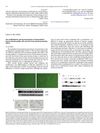
July 2016 in “Biochemical Journal” Wnt proteins from certain skin cells are crucial for normal hair growth and renewal.
 13 citations
,
September 2010 in “Journal of Dermatological Science”
13 citations
,
September 2010 in “Journal of Dermatological Science” Researchers made a cell line that grows quickly and can help with hair growth research.
 January 2025 in “Cellular and Molecular Biology”
 The PIP5K1A gene helps cashmere growth in goats by promoting cell proliferation, and melatonin boosts its expression.

TLR2 helps control hair growth and regeneration, and its reduction with age or obesity can impair hair growth.
 September 2017 in “Journal of Investigative Dermatology”
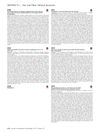
 Blue light helps hair growth by affecting specific proteins in hair follicle cells.
 208 citations
,
December 2003 in “Journal of Investigative Dermatology”
208 citations
,
December 2003 in “Journal of Investigative Dermatology” Certain cells from hair follicles can create new hair and contribute to hair growth when implanted in mice.
 9 citations
,
April 2019 in “International journal of molecular sciences”
9 citations
,
April 2019 in “International journal of molecular sciences” Human hair grows better in a special gel that mimics skin.
 1 citations
,
October 2013
1 citations
,
October 2013 Different ectodermal organs like hair and feathers regenerate differently, with specific stem cells and signals involved in their growth and response to the environment.
215 citations
,
September 2003 in “Journal of Biological Chemistry” Vitamin D receptor and hairless protein are essential for hair growth.
 67 citations
,
August 2013 in “International Journal of Cosmetic Science”
67 citations
,
August 2013 in “International Journal of Cosmetic Science” Hair greying is caused by oxidative stress damaging hair follicles and melanocytes.
 39 citations
,
January 2015 in “International journal for parasitology/International Journal for Parasitology”
39 citations
,
January 2015 in “International journal for parasitology/International Journal for Parasitology” Epidermal keratinocytes start wound healing and inflammation after schistosome infection.
24 citations
,
November 1997 in “Journal of Biological Chemistry” Mouse high-glycine/tyrosine proteins have distinct patterns in hair follicles, peaking at specific hair cycle days.
 9 citations
,
August 2015 in “Tissue Engineering and Regenerative Medicine”
9 citations
,
August 2015 in “Tissue Engineering and Regenerative Medicine” Human skin cell byproducts can potentially be used to treat hair loss and promote hair growth.

A protein called sFRP4 can partly inhibit hair growth.
 January 2006 in “The Journal of Korean Medicine Ophthalmology and Otolaryngology and Dermatology”
 Rubus coreanum may help hair growth but not through the tested mechanisms, and none of the herbal extracts help with acne.