105 citations
,
May 2013 in “Biomaterials” Human hair keratin hydrogel may aid nerve repair better than traditional methods.
8 citations
,
March 2023 in “International Wound Journal” IGF2BP3 and other m6A-related genes are linked to keloid formation and could be potential treatment targets.
 June 2023 in “Research Square (Research Square)”
 Different immune responses cause hair loss in scalp diseases, with unique patterns in scalp psoriasis possibly protecting against hair loss.
 29 citations
,
June 2018 in “Scientific Reports”
29 citations
,
June 2018 in “Scientific Reports” 15-lipoxygenase helps keep skin healthy by reducing inflammation.

γδTregs may help treat autoimmune diseases like alopecia areata by promoting hair regrowth and reducing immune attacks.
 June 2023 in “Zenodo (CERN European Organization for Nuclear Research)”
 Inflammation in hair follicles is a key risk factor for developing common baldness.
4 citations
,
October 2016 in “The journal of investigative dermatology/Journal of investigative dermatology” Using an anti-ICAM-1 antibody with rapamycin improves hair transplant survival in monkeys.
 65 citations
,
February 2017 in “Pflügers Archiv - European Journal of Physiology”
65 citations
,
February 2017 in “Pflügers Archiv - European Journal of Physiology” Macrophages are vital for skin healing, hair growth, salt balance, and cancer defense.
41 citations
,
July 2019 in “Clinical Cosmetic and Investigational Dermatology” The skin's immune system helps it regenerate and fight infections.
18 citations
,
July 2001 in “International Journal of Dermatology” A 12-year-old boy's hair loss and skin issues improved significantly with medication.
 16 citations
,
April 2007 in “Journal of Medical Primatology”
16 citations
,
April 2007 in “Journal of Medical Primatology” The monkey's hair loss was due to an autoimmune disease, not genetics.
9 citations
,
June 2017 in “The American journal of dermatopathology/American journal of dermatopathology” The study found increased skin pigmentation and variable melanocyte density in a patient with Addison's disease.
 6 citations
,
July 2019 in “Experimental Dermatology”
6 citations
,
July 2019 in “Experimental Dermatology” Skin can produce blood cells, often due to disease, which might lead to new treatments for skin and blood conditions.
6 citations
,
November 2018 in “American journal of transplantation” UV light helped human hair transplants survive in mice without broad immunosuppression.
 3 citations
,
April 2002 in “The Lancet”
3 citations
,
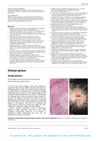
April 2002 in “The Lancet” Painful hair loss in an elderly woman was caused by giant cell arteritis, not just aging.
 April 2026 in “Frontiers in Cell and Developmental Biology”
 GPCRs are vital for wound healing by affecting cell growth and immune response.
November 2023 in “Skin Appendage Disorders” A rare scalp condition can occur due to leukemia affecting the skin.
August 2021 in “Journal of Investigative Dermatology” ILC1-like cells can cause alopecia areata by disrupting hair follicle immunity, suggesting a new treatment approach.
 February 2024 in “Australasian journal of dermatology”
 Inflammatory acne damages skin stem cells and reduces their growth, leading to atrophic acne scars.
January 2012 in “Open MIND” Oral minoxidil can cause painful skin bumps and scarring in some people.
April 2019 in “The journal of investigative dermatology/Journal of investigative dermatology” Blocking JAK1 or JAK3 helps reverse hair loss in a mouse model of alopecia areata.
September 2011 in “Chinese Journal of Dermatology” A man's skin condition was misdiagnosed and later identified as a rare type of skin cancer, which did not improve with treatment.
3 citations
,
September 2024 in “Journal of Microbiology and Biotechnology” Human placenta extract reduces inflammation and symptoms in atopic dermatitis.
13 citations
,
February 1980 in “Journal of Cutaneous Pathology” Rubbing seborrheic keratoses causes specific skin changes and may link them to hair follicles.
March 2022 in “JAAD case reports” A man had a non-cancerous, fast-growing skin lump on his arm that was removed with surgery.
April 2008 in “Faculty Opinions – Post-Publication Peer Review of the Biomedical Literature” The vitamin D receptor helps control hair growth and may protect against certain skin tumors.
69 citations
,
February 2008 in “The American journal of pathology” Controlled delivery of specific RNA and IL-4 restored hair growth in mice with autoimmune alopecia.
 18 citations
,
January 2017 in “Annals of dermatology/Annals of Dermatology”
18 citations
,
January 2017 in “Annals of dermatology/Annals of Dermatology” Certain immune cells contribute to severe hair loss in chronic alopecia areata, with Th17 cells possibly having a bigger impact than cytotoxic T cells.
 February 2024 in “International Journal of Molecular Sciences”
 Hair loss in Androgenetic Alopecia is caused by genetics, aging, and lifestyle, leading to hair follicle shrinkage and related health risks.
 25 citations
,
March 2013 in “British Journal of Dermatology”
25 citations
,
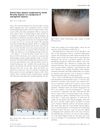
March 2013 in “British Journal of Dermatology” Woman has discoid lupus, frontal fibrosing, and androgenetic alopecia.