 29 citations
,
December 2016 in “The EMBO Journal”
29 citations
,
December 2016 in “The EMBO Journal” Gata6 is important for protecting hair growth cells from DNA damage and keeping normal hair growth.
 120 citations
,
February 2009 in “Apoptosis”
120 citations
,
February 2009 in “Apoptosis” Understanding how cells die in the skin is important for treating skin diseases and preventing hair loss.
 53 citations
,
March 2014 in “Growth Hormone & IGF Research”
53 citations
,
March 2014 in “Growth Hormone & IGF Research” IGF-1 injections help mice grow more hair by increasing cell growth and blocking a hair growth inhibitor.
 January 2026 in “Stem Cell Reviews and Reports”
 Hair graying may help prevent cancer by protecting stem cells.
 September 2011 in “Clinical Biochemistry”
 The demineralized bone matrix scaffold is better for cell attachment than the mineralized bone allograft.
 January 2004 in “Dermatologic Surgery”
 Storing hair follicles in a special buffer with certain inhibitors can increase hair growth and improve transplant results.
 133 citations
,
May 2016 in “Cell Host & Microbe”
133 citations
,
May 2016 in “Cell Host & Microbe” Human dermal fibroblasts are the main cells targeted by a virus that can cause a deadly skin cancer, and a certain inhibitor can effectively block this infection.
 15 citations
,
May 2021 in “British journal of dermatology/British journal of dermatology, Supplement”
15 citations
,
May 2021 in “British journal of dermatology/British journal of dermatology, Supplement” Cell therapy shows promise for treating severe psoriasis but needs more research to confirm safety and effectiveness.
 4 citations
,
September 2020 in “Cell division”
4 citations
,
September 2020 in “Cell division” XMU-MP-1 stops cell growth in a human mini-organ and reduces the effectiveness of the chemotherapy drug paclitaxel.
 April 2016 in “The journal of investigative dermatology/Journal of investigative dermatology”
 BMP signaling controls hair growth and skin color.
 480 citations
,
August 2014 in “Nature Biotechnology”
480 citations
,
August 2014 in “Nature Biotechnology” Changing the environment around stem cells could help tissue repair, but it's hard to be precise and avoid side effects.
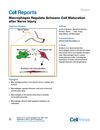 130 citations
,
September 2018 in “Cell Reports”
130 citations
,
September 2018 in “Cell Reports” Macrophages help heal nerves by aiding the maturation of Schwann cells and are important for nerve repair.
 129 citations
,
May 2015 in “Cell Stem Cell”
129 citations
,
May 2015 in “Cell Stem Cell” Different types of stem cells exist within individual skin layers, and they can adapt to damage, transplantation, or tumor growth. These cells are regulated by their environment and genetic factors. Tumor growth is driven by expanding, genetically altered cells, not long-lived mutant stem cells. There's evidence of cancer stem cells in skin tumors. Other cells, bacteria, and genetic factors help maintain balance and contribute to disease progression. A method for growing mini organs from single cells has been developed.
 113 citations
,
November 2017 in “Scientific Reports”
113 citations
,
November 2017 in “Scientific Reports” Tiny particles from stem cells help activate hair growth cells and encourage hair growth in mice without being toxic.
 106 citations
,
October 2016 in “Cell Stem Cell”
106 citations
,
October 2016 in “Cell Stem Cell” PDGFA/AKT signaling is important for the growth and maintenance of certain skin fat cells.
 106 citations
,
November 2014 in “Cell Stem Cell”
106 citations
,
November 2014 in “Cell Stem Cell” New single-cell analysis techniques are improving our understanding of stem cells and could help in treating diseases.
 72 citations
,
November 2012 in “PloS one”
72 citations
,
November 2012 in “PloS one” The protein folliculin, involved in a rare disease, works with another protein to control how cells stick together and their organization, and changes in this interaction can lead to disease symptoms.
 71 citations
,
September 2006 in “Cell Transplantation”
71 citations
,
September 2006 in “Cell Transplantation” Fetal skin cells from a cell bank heal wounds faster and with less scarring than adult cells.
 66 citations
,
February 2015 in “Cell & tissue research/Cell and tissue research”
66 citations
,
February 2015 in “Cell & tissue research/Cell and tissue research” The document concludes that there are no effective clinical treatments for hearing loss due to hair cell damage, but research is ongoing.
 61 citations
,
September 2010 in “Genomics”
61 citations
,
September 2010 in “Genomics” The study found that immune responses disrupt hair growth cycles, causing hair loss in alopecia areata.
 55 citations
,
June 2014 in “Nature Communications”
55 citations
,
June 2014 in “Nature Communications” Tcf3 helps cells move and heal wounds by controlling lipocalin 2.
 36 citations
,
September 2009 in “Journal of Cellular and Molecular Medicine”
36 citations
,
September 2009 in “Journal of Cellular and Molecular Medicine” New treatments targeting skin stem cells show promise for skin repair, anti-aging, and cancer therapy.
 30 citations
,
April 2017 in “European Journal of Cell Biology”
30 citations
,
April 2017 in “European Journal of Cell Biology” CIP/KIP proteins help stop cell division and support hair growth.
 28 citations
,
February 2019 in “Genes”
28 citations
,
February 2019 in “Genes” Proper control of β-catenin activity is crucial for development and preventing diseases like cancer.
 24 citations
,
May 2016 in “Stem Cell Reviews and Reports”
24 citations
,
May 2016 in “Stem Cell Reviews and Reports” The document concludes that understanding how adult stem and progenitor cells move is crucial for tissue repair and developing cell therapies.
 20 citations
,
September 1978 in “International Journal of Dermatology”
20 citations
,
September 1978 in “International Journal of Dermatology” Hair growth is influenced by factors like genetics and nutrition, and more research is needed to understand hair loss and growth mechanisms.
 15 citations
,
September 2007 in “Cell & tissue research/Cell and tissue research”
15 citations
,
September 2007 in “Cell & tissue research/Cell and tissue research” Embryonic and adult stem cells are valuable for improving skin grafts and cell therapy.
 14 citations
,
January 2014 in “Cells Tissues Organs”
14 citations
,
January 2014 in “Cells Tissues Organs” Ionizing radiation causes irreversible skin damage, with single doses leading to acute injury and hair graying, and fractional doses causing more severe long-term tissue damage.
 13 citations
,
January 2018 in “Cellular Physiology and Biochemistry”
13 citations
,
January 2018 in “Cellular Physiology and Biochemistry” Fat-derived stem cells can help protect and repair skin stem cells from aging caused by UV light.
 13 citations
,
December 2014 in “Stem Cells”
13 citations
,
December 2014 in “Stem Cells” Hair and skin can regenerate without bulge stem cells due to other compensating cells.