 March 2026 in “Editora Pasteur eBooks”
 Alopecia androgenética is common hair loss affecting self-esteem, treatable with medications and procedures.
 44 citations
,
November 2011 in “The Journal of Dermatology”
44 citations
,
November 2011 in “The Journal of Dermatology” New understanding of the causes of primary cicatricial alopecia has led to better diagnosis and potential new treatments.
 32 citations
,
January 2019 in “American Journal of Clinical Dermatology”
32 citations
,
January 2019 in “American Journal of Clinical Dermatology” Minoxidil helps treat eyebrow thinning, monilethrix, early hair loss, and shortens chemo-related hair loss.
 29 citations
,
June 2013 in “Journal of the Saudi Society of Dermatology & Dermatologic Surgery”
29 citations
,
June 2013 in “Journal of the Saudi Society of Dermatology & Dermatologic Surgery” Alopecia areata is an autoimmune hair loss condition treated with corticosteroids, and histologic confirmation is the best diagnosis method.
 22 citations
,
June 2012 in “PLOS ONE”
22 citations
,
June 2012 in “PLOS ONE” Cholesterol-related compounds can stop hair growth and cause inflammation in a type of scarring hair loss.
 13 citations
,
January 2019 in “Skin appendage disorders”
13 citations
,
January 2019 in “Skin appendage disorders” FAPD is a possible diagnosis for hair loss in patients of color and requires multiple evaluations for accurate diagnosis.
 8 citations
,
June 2016 in “Journal of Cutaneous Pathology”
8 citations
,
June 2016 in “Journal of Cutaneous Pathology” Two women were diagnosed with a rare melanoma that looked like hair loss but was actually a type of skin cancer.
 7 citations
,
August 2021 in “Journal of the European Academy of Dermatology and Venereology”
7 citations
,
August 2021 in “Journal of the European Academy of Dermatology and Venereology” Early treatment of fibrosing alopecia in a pattern distribution may improve outcomes.
 4 citations
,
May 2021 in “Biomedicines”
4 citations
,
May 2021 in “Biomedicines” Targeting the protein Caveolin-1 might help treat a type of scarring hair loss called Frontal Fibrosing Alopecia.
 1 citations
,
October 2018 in “InTech eBooks”
1 citations
,
October 2018 in “InTech eBooks” The document concludes that treatments for cicatricial alopecia are not well-supported by evidence, but hair transplantation shows more predictable and satisfactory results.
 December 2013 in “Research Portal (King's College London)”
 Hair loss in Lichen Planopilaris is caused by immune system issues damaging hair follicles and stem cells.

Accurate diagnosis of cicatricial alopecias requires thorough scalp examination and multiple biopsy techniques.
 March 2023 in “Journal of clinical review & case reports”
 Frontal Fibrosing Alopecia mainly affects postmenopausal Mexican women, requiring early detection to prevent permanent hair loss.
 October 2017 in “Iranian Journal of Dermatology”
 Clinical exams are good for diagnosing some women's hair loss, but lab tests aren't always needed.
 15 citations
,
August 2019 in “Dermatologic Therapy”
15 citations
,
August 2019 in “Dermatologic Therapy” Platelet-rich plasma (PRP) may help treat hair loss in patients with frontal fibrosing alopecia who don't respond to other treatments.
 June 2008 in “Springer eBooks”
 The document concludes that permanent hair loss conditions are complex, require early specific treatments, and "secondary permanent alopecias" might be a more accurate term than "secondary cicatricial alopecia."
 5 citations
,
March 2014 in “Journal of The American Academy of Dermatology”
5 citations
,
March 2014 in “Journal of The American Academy of Dermatology” The study suggests hormonal factors may play a role in Frontal Fibrosing Alopecia and that treatments like oral antiandrogens and steroids could be beneficial.
 May 2024 in “IP International Journal of Periodontology and Implantology”
 Treating gum disease and stress may help improve alopecia.
 July 2025 in “Revista Eletrônica Acervo Científico”
 Hydroxychloroquine is most effective for scarring alopecias, especially when combined with other treatments.
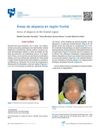 January 2025 in “Revista del Centro Dermatológico Pascua”
 Early diagnosis and treatment can help manage fibrosing alopecia in older women.
 31 citations
,
April 2018 in “Plastic and Reconstructive Surgery”
31 citations
,
April 2018 in “Plastic and Reconstructive Surgery” PRP therapy may improve skin and hair conditions, but more research with standard methods is needed.
 May 2003 in “Facial Plastic Surgery Clinics of North America”
 Hair loss can be treated with medications like minoxidil and finasteride or surgery, but treatment effectiveness varies by alopecia type and accurate diagnosis is important.
 15 citations
,
March 2015 in “Australasian Journal of Dermatology”
15 citations
,
March 2015 in “Australasian Journal of Dermatology” Seborrhoeic dermatitis may cause a condition called "seborrhoeic folliculitis," leading to chronic scalp inflammation and scarring hair loss.
 8 citations
,
September 2015 in “Clinics in Dermatology”
8 citations
,
September 2015 in “Clinics in Dermatology” Hair loss in children is diagnosed and treated differently than in adults, with different common causes and a focus on less invasive methods.
 2 citations
,
January 2013 in “Hair therapy & transplantation”
2 citations
,
January 2013 in “Hair therapy & transplantation” Hair transplants can be a treatment for scarring hair loss if there's good blood flow and no active disease.
 11 citations
,
August 2017 in “American Journal of Dermatopathology”
11 citations
,
August 2017 in “American Journal of Dermatopathology” EVG staining helps tell apart follicular scars from follicular streamers, aiding in diagnosing different types of hair loss.
 3 citations
,
January 2019 in “Skin Research and Technology”
3 citations
,
January 2019 in “Skin Research and Technology” Frequent use of hair straighteners can cause hair loss similar to scarring alopecia in young Turkish women.
 July 2026 in “Journal of the American Academy of Dermatology”
 GLP-1 and GLP-1/GIP agonists may increase the risk of hair loss.
5 citations
,
March 2017 in “Journal of the American Academy of Dermatology” Cytokeratin-15 loss is not specific to any single type of scarring alopecia.
 19 citations
,
May 2021 in “Clinical, Cosmetic and Investigational Dermatology”
19 citations
,
May 2021 in “Clinical, Cosmetic and Investigational Dermatology” Minoxidil and finasteride are the best for non-scarring hair loss; more research is needed for scarring hair loss treatments.