 2 citations
,
March 2019 in “JEADV. Journal of the European Academy of Dermatology and Venereology/Journal of the European Academy of Dermatology and Venereology”
2 citations
,
March 2019 in “JEADV. Journal of the European Academy of Dermatology and Venereology/Journal of the European Academy of Dermatology and Venereology” Hair loss in elderly people is often due to health issues and needs better diagnosis and treatment.
 7 citations
,
February 2004 in “Canadian Journal of Anesthesia/Journal canadien d anesthésie”
7 citations
,
February 2004 in “Canadian Journal of Anesthesia/Journal canadien d anesthésie” Pressure from surgical headrests can cause temporary hair loss in liver donors.
3 citations
,
January 2020 in “International journal of trichology” Congenital triangular alopecia is a hair loss condition present from birth or early childhood with no effective treatment needed.
 6 citations
,
December 2011 in “Clinical and Experimental Dermatology”
6 citations
,
December 2011 in “Clinical and Experimental Dermatology” A woman developed rare, unexplained curly hair on her scalp and eyelashes.
May 1979 in “Archives of Dermatology” Alopecia can be linked to autoimmune issues, vitiligo, nail problems, and sometimes cancer treatments.
6 citations
,
July 2004 in “JDDG Journal der Deutschen Dermatologischen Gesellschaft” Frontal fibrosing alopecia in postmenopausal women can be managed with early treatment using corticosteroids to stop hair loss.
 6 citations
,
December 2013 in “Journal of Dermatological Science”
6 citations
,
December 2013 in “Journal of Dermatological Science” Women with alopecia may have a higher chance of getting thyroid cancer.
 21 citations
,
March 2006 in “Seminars in Cutaneous Medicine and Surgery”
21 citations
,
March 2006 in “Seminars in Cutaneous Medicine and Surgery” Most hair loss disorders can be accurately diagnosed and treated in an outpatient setting.
March 2025 in “Revista Foco” Early diagnosis of Alopecia Frontal Fibrosante is crucial for effective treatment.
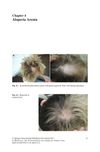 December 2016 in “Springer eBooks”
 A 45-year-old woman with autoimmune diseases experienced patchy hair loss due to alopecia areata, which has no cure but can be treated, with varying success.
 16 citations
,
September 2008 in “American Journal of Orthodontics and Dentofacial Orthopedics”
16 citations
,
September 2008 in “American Journal of Orthodontics and Dentofacial Orthopedics” Wearing orthodontic headgear can cause reversible hair loss if detected early.
2 citations
,
October 2023 in “Skin Health and Disease” Alopecia neoplastica is hair loss from breast cancer spreading to the scalp.
 13 citations
,
March 2002 in “Pediatric Dermatology”
13 citations
,
March 2002 in “Pediatric Dermatology” A child was initially wrongly diagnosed with a fungal scalp infection but actually had a non-scarring hair loss condition called Temporal Triangular Alopecia.
43 citations
,
December 2004 in “Journal of loss & trauma” People with alopecia areata often experience negative personal, social, and medical impacts, and need psychological support.
November 2023 in “Advances in clinical medical research & healthcare delivery” January 2026 in “Journal of Case Reports and Scientific Images” Homeopathic treatment led to full recovery from scarring alopecia.

Alopecia areata and androgenic alopecia can be confused, but careful examination helps tell them apart.
 November 2005 in “NEJM Journal Watch”
 Hair count is important to distinguish between genetic hair thinning (Androgenetic Alopecia) and hair thinning caused by disrupted hair growth (Chronic Telogen Effluvium).
August 2026 in “Zenodo (CERN European Organization for Nuclear Research)” 
Androgenetic alopecia is a common type of hair loss in men and women, caused by a testosterone byproduct affecting hair follicles, with sensitivity determined by genetics.
14 citations
,
May 2009 in “Journal of the American Academy of Dermatology” The patient's scalp lesions stabilized with a combination of treatments after initial therapies failed.
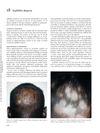 April 2012 in “Informa Healthcare eBooks”
 Syphilitic alopecia is a rare hair loss condition in secondary syphilis that looks similar to another condition but can be diagnosed with specific tests and responds to antibiotics.

Scalp cooling is recommended to prevent chemotherapy-induced hair loss, but no effective drugs are available.
 1 citations
,
April 2019 in “Journal of Investigative Dermatology”
1 citations
,
April 2019 in “Journal of Investigative Dermatology” Oral minoxidil can potentially increase hair growth in people suffering from Central Centrifugal Cicatricial Alopecia.

Tumid lupus erythematosus can cause non-scarring hair loss on the scalp and requires careful diagnosis.
 9 citations
,
August 2018 in “Journal der Deutschen Dermatologischen Gesellschaft”
9 citations
,
August 2018 in “Journal der Deutschen Dermatologischen Gesellschaft” Most patients with frontal fibrosing alopecia are middle-aged women, often have thyroid disease, and some treatments can help stabilize the condition.
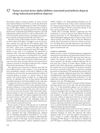 1 citations
,
April 2012 in “Informa Healthcare eBooks”
1 citations
,
April 2012 in “Informa Healthcare eBooks” Some medications for inflammation can cause a condition with scalp rashes and hair loss, often linked to Crohn's disease, and may require treatment changes to prevent permanent hair loss.
January 2009 in “Beijing Medical Journal” Combined therapy effectively improved severe alopecia areata in all patients after 6 months.
 26 citations
,
August 2016 in “Actas Dermo-Sifiliográficas”
26 citations
,
August 2016 in “Actas Dermo-Sifiliográficas” Frontal Fibrosing Alopecia in men is often missed and can come with symptoms like facial bumps and hair loss on eyebrows and limbs.
June 2025 in “British Journal of Dermatology” A rare dual diagnosis of alopecia areata and lichen planopilaris requires thorough evaluation for effective treatment.