Search
for
Sort by
Research
720-750 / 1000+ resultsresearch Nε-(carboxymethyl) lysine (CML) inhibits hair follicle formation by suppressing hair bulb condensation
research MHC Class I-Like MILL Molecules Are β2-Microglobulin-Associated, GPI-Anchored Glycoproteins That Do Not Require TAP for Cell Surface Expression
MILL molecules are unique immune proteins in mice that don't need TAP to appear on cell surfaces.

research Injectable polysaccharide-based hydrogel delivering Poria cocos extracellular vesicles promotes hair regeneration in androgenetic alopecia via Wnt/β-catenin signaling
The hydrogel with Poria cocos vesicles helps regrow hair in hair loss by activating specific cell signals.
research 020 Sphingosine 1-phosphate receptor signalling promotes hair growth and inhibits perifollicular T-cell expansion and immune privilege collapse ex vivo

research Crystal structure of steroid reductase SRD5A reveals conserved steroid reduction mechanism
The structure of SRD5A reveals how it reduces steroids, aiding drug design for related health conditions.
research Cell Membrane-Camouflaged Nanoparticles Mediated Nucleic Acids Delivery
Cell membrane-coated nanoparticles could improve gene therapy by enhancing delivery and targeting of nucleic acids.

research O02 Ubiquitomics of CYLD-deficient skin tumours reveals dysregulation of hair follicle keratinocyte processes
CYLD deficiency in skin tumors disrupts hair follicle cell processes and protein secretion.
research Investigation of the Anti-Aging Effects of Composite Nanocarriers Based on Autophagy Regulation and Oxidative Stress Inhibition
RCDP NCs are promising anti-aging cosmetic ingredients that improve skin health by reducing oxidative stress and enhancing cell function.
research Pre-keratin isolated from epidermal microsomes
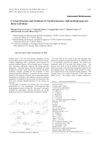
research Crystal Structure and Synthesis of 17α-Hexanoyloxy-16β-methylpregna-4,6-diene-3,20-dione
A new compound that could treat various androgen-related conditions was created and analyzed.
research Isolation and characterization of a sheep cysteine-rich cuticle keratin pseudogene
Researchers found a non-functional sheep keratin gene due to mutations.
research Identification and Characterization of a Novel Lysophosphatidic Acid Receptor, p2y5/LPA6
p2y5, now called LPA6, is a receptor important for human hair growth.

research Cedrol mitigates hepatic lipid accumulation and adipocyte hypertrophy induced by corticosteroids through the inhibition of glucocorticoid receptor activity
Cedrol may help reduce liver fat and fat cell growth caused by corticosteroids.
research Novel lysophosphoplipid receptors: their structure and function
Lysophospholipids can act as anti-inflammatory agents through specific receptors, but more research is needed.
research Characterization of sciellin, a precursor to the cornified envelope of human keratinocytes
Sciellin is a protein that helps form protective layers in skin, hair, and nails.

research Transient Ca2+ entry by plasmalogen-mediated activation of receptor potential cation channel promotes AMPK activity
Plasmalogens activate a channel in cells that may stimulate hair growth.
research 438 Laminin-511 is a new player in the development of psoriasis and controlled via cannabinoid receptor type 1
Laminin-511 is involved in psoriasis development and can be regulated by cannabinoid receptor type 1.
research 130 Deciphering the role of the hexosamine pathway in skin homeostasis
The hexosamine pathway helps maintain healthy skin by affecting the skin's structure and possibly increasing hair follicle stem cells.
research Lipid nanocosmeceuticals: a novel approach to skin therapy for anti-aging and skin disorders
Lipid-based nanocosmeceuticals improve skin therapy by enhancing ingredient delivery and effectiveness for anti-aging and skin disorders.
research Topical liposome delivery of molecules to hair follicles in mice
Liposomes can safely and effectively deliver substances to mouse hair follicles, potentially useful for human hair treatments.
research Autophagy protects murine preputial glands against premature aging, and controls their sebum phospholipid and pheromone profile
Autophagy helps delay aging in mouse glands, maintains fat balance, and controls scent production.
research Cationic Ionic Liquid-Liposome Nanoplatform for Transdermal asiRNA Delivery: A Unified Therapy for Androgen-Dependent Dermatoses
research Caffeic acid N-[3,5-bis(trifluoromethyl)phenyl] amide as a non-steroidal inhibitor for steroid 5α-reductase type 1 using a human keratinocyte cell-based assay and molecular dynamics
Compound 4 is a promising treatment for hair loss with low toxicity.
research Diphlorethohydroxycarmalol, Isolated from Ishige okamurae, Increases Prostaglandin E2through the Expression of Cyclooxygenase-1 and -2 in HaCaT Human Keratinocytes
A compound from brown algae boosts the production of a certain inflammatory substance in skin cells.
research Structure and Expression of a New Complementary DNA Encoding the almost Exclusive 3β-Hydroxysteroid Dehydrogenase/Δ5-Δ4-lsomerase in Human Adrenals and Gonads
Human adrenals and gonads have a unique enzyme for steroid hormone production.

research 944 Non-coding double stranded RNA induces retinoic acid synthesis and retinoid signaling to control regeneration
Non-coding RNA boosts retinoic acid production and signaling, aiding regeneration.
research Cedrol from Platycladus orientalis (L.) Franco regulates M1/M2 polarization of macrophages and promotes hair regeneration
Cedrol promotes hair growth better than baricitinib by regulating immune cells.
research Structural analysis of the outermost hair surface using TOF-SIMS with gas cluster ion beam sputtering
The hair's outermost surface has multiple layers of lipids and proteins.

research Biological activity of novel progesterone derivatives having a bulky ester side chains at C-3
The more lipophilic the progesterone derivative, the better it binds to androgen receptors and has antiandrogenic effects.