 June 2023 in “Journal for international medical graduates”
 Smoking increases the risk of hair loss, especially male pattern baldness.
 26 citations
,
June 2018 in “Australasian Journal of Dermatology”
26 citations
,
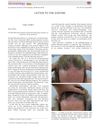
June 2018 in “Australasian Journal of Dermatology” Stopping sunscreen use on the forehead led to hair regrowth in a woman with frontal fibrosing alopecia.
 August 2023 in “International journal of research in Ayurveda and pharmacy”
 Ayurveda can prevent hair fall and promote regrowth using herbs and lifestyle changes.
191 citations
,
December 2013 in “Plastic & Reconstructive Surgery” Surgical deactivation can significantly reduce or eliminate migraine symptoms.
 September 2025 in “JMIR Dermatology”
 Direct-to-consumer teledermatology effectively treats male hair loss but may increase drug costs and requires monitoring for side effects.
October 2022 in “International Journal of Dermatology” Digital health platforms improve treatment for male pattern hair loss.
 41 citations
,
June 2018 in “Medicine Health Care and Philosophy”
41 citations
,
June 2018 in “Medicine Health Care and Philosophy” The article suggests using four questions to tell apart necessary medicalization from excessive medicalization, focusing on problem significance, social expectations, medical understanding, and effective resolution.
March 2022 in “International Journal of Trichology” Smoking may worsen hair loss, but more research is needed.
 114 citations
,
February 2012 in “International Journal of Dermatology”
114 citations
,
February 2012 in “International Journal of Dermatology” Smoking harms the skin, causing early aging and increasing cancer risk, but stopping smoking can improve skin health.
 7 citations
,
January 2018 in “International Journal of Dermatology”
7 citations
,
January 2018 in “International Journal of Dermatology” AGA risk factors include age, smoking, hypertension for men, and age, dyslipidemia for women; lifestyle changes may help prevention.
3 citations
,
February 2014 in “Anadolu psikiyatri dergisi” A teenager's hair loss was caused by the drug quetiapine but improved after stopping the medication.
 370 citations
,
September 1999 in “The New England Journal of Medicine”
370 citations
,
September 1999 in “The New England Journal of Medicine” Finasteride and minoxidil are effective for hair loss, but continued research is needed for better treatments.
 147 citations
,
April 1994 in “Drug Safety”
147 citations
,
April 1994 in “Drug Safety” Some drugs can cause hair loss or increase hair growth, but these effects are usually reversible when the drug is stopped.
 12 citations
,
December 1985 in “Dicp-The annals of pharmacotherapy”
12 citations
,
December 1985 in “Dicp-The annals of pharmacotherapy” Carbamazepine can cause hair loss, which may reverse when the medication is stopped.
 6 citations
,
July 1975 in “Archives of Dermatology”
6 citations
,
July 1975 in “Archives of Dermatology” Rapid weight loss from dieting and hormonal injections can cause significant hair loss in women.
 1 citations
,
July 2015 in “The European research journal”
1 citations
,
July 2015 in “The European research journal” Stopping aripiprazole can reverse its side effect of hair loss.
 October 2024 in “Internal Medicine”
 Stopping nalfurafine reversed hair loss in a hemodialysis patient.
 17 citations
,
October 2015 in “Medicine and Pharmacy Reports”
17 citations
,
October 2015 in “Medicine and Pharmacy Reports” Animal models are crucial for learning about hair loss and finding treatments.
 7 citations
,
January 2017 in “Journal of cosmetology & trichology”
7 citations
,
January 2017 in “Journal of cosmetology & trichology” Good nutrition is crucial for healthy hair and can help with hair loss without medication.
 2 citations
,
January 2017 in “Düşünen Adam”
2 citations
,
January 2017 in “Düşünen Adam” Agomelatine might help stop hair loss caused by valproate.
 2 citations
,
December 2007 in “Expert Review of Dermatology”
2 citations
,
December 2007 in “Expert Review of Dermatology” The document concludes that early diagnosis and treatment are key for pediatric hair loss disorders, and addressing the emotional effects on children is important.
Combining mesotherapy and PRP effectively treats hair loss in women.
 June 2021 in “Psychiatria Danubina”
 The antidepressant escitalopram likely caused hair loss in a patient.
July 2026 in “Postgraduate Medicine” Finasteride does not consistently cause depression.
 3 citations
,
August 2022 in “JAAD case reports”
3 citations
,
August 2022 in “JAAD case reports” A woman developed swelling in her body after taking low-dose oral minoxidil for hair loss, but it resolved after stopping the medication.
 3 citations
,
January 2018 in “Annals of Dermatology”
3 citations
,
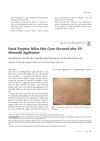
January 2018 in “Annals of Dermatology” A woman developed facial hair cysts after using a 3% minoxidil solution for hair loss, which disappeared after stopping the treatment and removing the cysts surgically.
 8 citations
,
February 2005 in “British Journal of Haematology”
8 citations
,
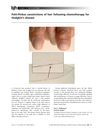
February 2005 in “British Journal of Haematology” Chemotherapy caused the patient's hair to have alternating thick and thin segments.
 February 2024 in “Tissue & Cell”
 New tissue engineering strategies show promise for regenerating human hair follicles, which could improve hair loss treatments.
 29 citations
,
December 2016 in “The EMBO Journal”
29 citations
,
December 2016 in “The EMBO Journal” Gata6 is important for protecting hair growth cells from DNA damage and keeping normal hair growth.
 August 1994 in “Drugs & Therapy Perspectives”
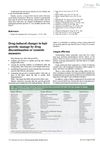
 Some drugs can cause hair loss or growth, but hair usually returns to normal after stopping the drug.