 August 2013 in “Nature Reviews Drug Discovery”
 New cancer treatments show promise in reducing tumor growth and improving skin regeneration in mice.
 65 citations
,
February 2015 in “Neuro-Oncology”
65 citations
,
February 2015 in “Neuro-Oncology” Alisertib was found to be an effective and tolerable treatment for children with recurrent brain tumors.
 8 citations
,
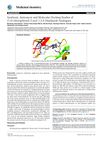
January 2013 in “Medicinal chemistry”
8 citations
,
January 2013 in “Medicinal chemistry” The compound 4c showed strong potential as an anticancer agent.
 January 2025 in “Biomedical Reports”
 Telitacicept helped stabilize complement levels in a patient with lupus and thyroid cancer.
 15 citations
,
November 2022 in “Cell Death and Disease”
15 citations
,
November 2022 in “Cell Death and Disease” CEP135 may predict cancer outcomes, and targeting PLK1 could help treat certain sarcomas.
1 citations
,
May 2024 in “Pediatric Blood & Cancer” Trametinib can effectively treat severe kaposiform lymphangiomatosis when other treatments fail.
6 citations
,
May 2013 in “Journal of Clinical Oncology” Combining Ficlatuzumab and Gefitinib can cause severe hair loss.
2 citations
,
May 2023 in “Journal of Immunotherapy” Sintilimab treatment caused hair loss but led to complete tumor remission.
 1 citations
,
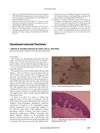
January 2009 in “Actas Dermo-Sifiliográficas”
1 citations
,
January 2009 in “Actas Dermo-Sifiliográficas” Docetaxel, a chemotherapy drug, was reported to cause psoriasis in a patient for the first time.
21 citations
,
November 2021 in “Cells” Hedgehog pathway inhibitors can treat certain aggressive cancers but face limitations like resistance and side effects.
1 citations
,
November 2022 in “Journal of Investigative Dermatology” ALRN-6924 may prevent hair loss caused by chemotherapy.
May 2022 in “The journal of investigative dermatology/Journal of investigative dermatology” Loss of TET2 increases the risk of skin and oral cancer.
2 citations
,
November 2024 in “In Silico Pharmacology” 11 citations
,
May 2008 in “British journal of dermatology/British journal of dermatology, Supplement” Identical p53 gene mutations in different cancers suggest the need for careful treatment.
May 2022 in “Голова и шея.” Checkpoint inhibitor therapy can cause skin issues, from mild rashes to severe reactions.
188 citations
,
October 2014 in “Thyroid” Dabrafenib was effective and well tolerated in treating thyroid cancer with a specific mutation.
 4 citations
,
May 2023 in “Research Square (Research Square)”
4 citations
,
May 2023 in “Research Square (Research Square)” Cepharanthine can potentially treat gastric cancer by stopping tumor growth.
1 citations
,
October 2024 in “Journal of the Endocrine Society” Bevacizumab may worsen hypothyroidism, so thyroid function should be monitored during treatment.
33 citations
,
June 2009 in “Journal of Cutaneous Pathology” Erlotinib can cause nonscarring hair loss and itchy skin.
19 citations
,
September 2021 in “British journal of dermatology/British journal of dermatology, Supplement” Activating PPAR-γ signalling can protect hair follicle stem cells from damage caused by chemotherapy.
68 citations
,
January 2014 in “Dermatology research and practice” Skin side effects from cancer drugs targeting EGFR can affect treatment adherence but can be managed with antibiotics like tetracycline.
 June 2015 in “Reactions Weekly”
 A man developed alopecia areata after starting cancer treatment with vandetanib.
 June 2024 in “Archives of Medical Science”
 Telitacicept effectively improved hair regrowth in a woman with lupus and alopecia.
July 2017 in “Cancer Research” Krt15+ cells in mice can resist radiation, regenerate tissue, and start tumors, suggesting new cancer treatment targets.
3 citations
,
October 2025 in “Cancer” PROTACs offer a new, precise way to treat cancer by breaking down harmful proteins.
26 citations
,
October 2019 in “JNCI Cancer Spectrum” Talazoparib is more effective than standard chemotherapy for advanced breast cancer with BRCA mutations.
3 citations
,
October 2024 in “Cancers” Skin side effects from melanoma immunotherapy are common and may indicate better survival.
64 citations
,
March 2004 in “Journal of Clinical Investigation” Targeting ornithine decarboxylase can help prevent skin cancer.
7 citations
,
December 2022 in “Skin Appendage Disorders” Certolizumab effectively treats psoriasis and psoriatic arthritis with fewer side effects than adalimumab.
 5 citations
,
January 2024 in “Journal of Cancer”
5 citations
,
January 2024 in “Journal of Cancer” The treatment combination is effective and generally safe for lung cancer.