 26 citations
,
January 2020 in “Przegląd Menopauzalny”
26 citations
,
January 2020 in “Przegląd Menopauzalny” Menopausal women have higher androgen levels, which can cause symptoms like facial hair growth and low sexual desire.
 26 citations
,
January 2013 in “BioMed Research International”
26 citations
,
January 2013 in “BioMed Research International” Hormonal changes after childbirth and menopause can lead to women's hair loss and facial hair growth, with a need for better treatments.
 198 citations
,
July 2011 in “Cochrane library”
198 citations
,
July 2011 in “Cochrane library” Lifestyle changes can improve body composition, excess male hormone levels, and insulin resistance in women with PCOS.
 41 citations
,
October 2017 in “International Journal of Women's Dermatology”
41 citations
,
October 2017 in “International Journal of Women's Dermatology” Most pregnant women experience skin darkening and hair changes, with these effects usually going away after giving birth.
 20 citations
,
May 2020 in “Experimental Dermatology”
20 citations
,
May 2020 in “Experimental Dermatology” Aging scalp skin contributes to hair aging and loss, and more research is needed to develop better hair loss treatments.
 14 citations
,
April 2022 in “Climacteric”
14 citations
,
April 2022 in “Climacteric” Menopause causes dry skin, wrinkles, and hair changes, with hormone therapy helping but not recommended just for these issues.
 8 citations
,
July 2022 in “Frontiers in plant science”
8 citations
,
July 2022 in “Frontiers in plant science” pH changes are crucial for root hair growth because they affect enzymes and proteins that control the cell wall and growth.
 1 citations
,
February 2022 in “International Journal of Dermatology”
1 citations
,
February 2022 in “International Journal of Dermatology” Some skin changes from pregnancy like hair loss, excessive hair growth, palm redness, and stretch marks may not go away after birth and could suggest a misdiagnosis or hidden condition.

PRP therapy safely stimulates hair growth, especially for early hair loss, with noticeable results after several sessions.
 September 2022 in “Journal of Case Reports and Medical History”
 Many new moms lose hair after childbirth due to hormonal changes, but it usually grows back within a year.
February 2019 in “bioRxiv (Cold Spring Harbor Laboratory)” Cashmere goat hair growth follows a cycle with distinct growth, regression, and resting periods, influenced by specific genes.
DHT, not testosterone, mainly affects hair growth and related conditions.
6 citations
,
November 1960 in “Experimental Biology and Medicine” Hair growth stages don't significantly change lipid content in mouse skin.
 236 citations
,
July 2001 in “Trends in Molecular Medicine”
236 citations
,
July 2001 in “Trends in Molecular Medicine” Future hair loss treatments should aim to extend hair growth, reactivate resting follicles, reverse shrinkage, and possibly create new follicles, with gene therapy showing promise.
 53 citations
,
April 2018 in “Journal of The American Academy of Dermatology”
53 citations
,
April 2018 in “Journal of The American Academy of Dermatology” Cancer treatments often cause hair disorders, significantly affecting patients' quality of life, and better management methods are needed.
 36 citations
,
August 2011 in “Journal of dermatological science”
36 citations
,
August 2011 in “Journal of dermatological science” Human hair has a protective lipid layer that can be damaged by moisture and treatments, affecting hair growth and health.
 34 citations
,
December 2000 in “The journal of investigative dermatology/Journal of investigative dermatology”
34 citations
,
December 2000 in “The journal of investigative dermatology/Journal of investigative dermatology” Rat vibrissa follicles are useful for studying hair growth cycles, especially the transition from pro-anagen to anagen.
30 citations
,
March 1980 in “European Journal of Endocrinology” Adrenal androgens are important for puberty and are influenced by genetics.
12 citations
,
September 1981 in “Acta Dermato Venereologica” Zinc supplements improved the girl's hair growth and thickness.
 4 citations
,
January 2015 in “Journal of microbial & biochemical technology”
4 citations
,
January 2015 in “Journal of microbial & biochemical technology” Biotin helps regulate proteins in the blood, which may explain its role in hair growth.
4 citations
,
August 1971 in “Pediatric clinics of North America/The Pediatric clinics of North America” Childhood hair and scalp disorders can be managed with treatments like cortisone and corticosteroids.
 1 citations
,
March 2019 in “Actas Dermo-Sifiliográficas”
1 citations
,
March 2019 in “Actas Dermo-Sifiliográficas” New cancer treatments are less harmful to hair but can still cause hair loss, color, shape, and growth changes.
 February 2026 in “The Animal Biology”
 Hirudo verbana extract improves hair growth and wound healing in rats.
 September 2024 in “Brazilian Journal of Hair Health”
 Nutrients can help improve hair growth and thickness caused by pollution.
August 2024 in “International Journal of Nursing Studies Advances” Following hair transplant surgery, proper self-care is crucial for successful recovery and hair growth.
January 2024 in “Cosmetics” Menopause worsens skin, hair, and nails, affecting self-esteem and quality of life.
 September 2023 in “Dermatology and therapy”
 Ritlecitinib effectively improves hair growth in alopecia areata patients, regardless of hair loss pattern.
 April 2023 in “Journal of Investigative Dermatology”
 Hair growth is driven by cells that move and change like a conveyor belt.
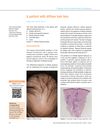 January 2015 in “Indian Dermatology Online Journal”
 The patient's hair loss is most likely due to diffuse alopecia areata.
 80 citations
,
March 2004 in “Neuropediatrics”
80 citations
,
March 2004 in “Neuropediatrics” Coats' Plus is a genetic disorder with eye abnormalities, brain calcification, poor growth, bone and skin issues, and movement disorders.