Mutations in specific genes cause different types of ectodermal dysplasias.
April 2011 in “Companion Animal” Feline pododermatitis is less common in cats than in dogs.
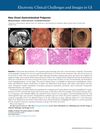 August 2013 in “Gastroenterology”
 A 60-year-old man with Cronkhite-Canada syndrome improved with treatment, but the condition has a high mortality rate and a risk of colorectal cancer.
January 2016 in “Lithuanian University of Health Sciences” Different diseases cause specific skin and hair follicle changes in dogs with alopecia.
January 2000 in “The Mouseion at the JAXlibrary (Jackson Laboratory)” The lanceolate hair-J mutation in mice helps understand human hair disorders like Netherton's syndrome.
The chapter explains causes of hair loss and excessive hair growth in animals.
4 citations
,
January 2009 in “PubMed” A mutation in the KRT86 gene causes hair fragility in a Turkish family.
8 citations
,
January 2011 in “International journal of trichology” Accurate diagnosis of APL is crucial to avoid unnecessary treatments.
 12 citations
,
February 2008 in “Journal of The American Academy of Dermatology”
12 citations
,
February 2008 in “Journal of The American Academy of Dermatology” Combining skin tissue pathology with genetics has greatly improved the diagnosis and understanding of certain skin diseases.
23 citations
,
August 1987 in “PubMed” The ferret had hyperadrenocorticism and other health issues like heart, liver, and kidney problems.
October 2010 in “eCommons (Cornell University)” Cutaneous epitheliotropic lymphoma in dogs is often misdiagnosed but can be treated with chemotherapy and alternative therapies.
69 citations
,
January 2015 in “Cell & tissue research/Cell and tissue research” Keratin mutations cause skin diseases and could lead to new treatments.
1 citations
,
January 2023 in “Indian Dermatology Online Journal” Skin and nail changes are common in patients with blood cancers undergoing chemotherapy, affecting their quality of life.
5 citations
,
November 1979 in “PubMed” A hereditary condition causes hair loss and twisted hair in some family members.
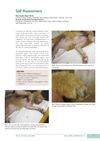 April 2008 in “Companion Animal”
 The cat's skin condition was linked to cancer and did not improve with treatment, leading to a poor outcome.
2 citations
,
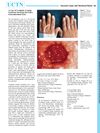
October 1931 in “Archives of Dermatology and Syphilology” A rare scalp infection in a child developed into a kerion with additional skin symptoms.
 4 citations
,
December 2001 in “Endoscopy”
4 citations
,
December 2001 in “Endoscopy” Prednisolone and Bactrim improved symptoms in a woman with Cronkhite-Canada syndrome.
7 citations
,
February 2019 in “Veterinary medicine and science” An American Bully with a genetic skin condition improved significantly with specific topical treatments.
April 2020 in “Clinical Small Animal Internal Medicine” Sebaceous adenitis affects mainly young to middle-aged dogs and can be managed with topical treatments and essential fatty acids.
 48 citations
,
March 1997 in “Veterinary Dermatology”
48 citations
,
March 1997 in “Veterinary Dermatology” Some cats with sudden hair loss and tiredness might have cancer-related alopecia.
8 citations
,
January 2014 in “Indian Journal of Paediatric Dermatology” Congenital atrichia with papular lesions causes permanent hair loss and skin bumps from birth.
December 2020 in “Pathology” A man's skin condition and poor diet led to a scurvy diagnosis.
 1 citations
,
September 2011 in “Journal of Dermatology”
1 citations
,
September 2011 in “Journal of Dermatology” A woman with a new PTCH gene mutation has both Gorlin syndrome and severe hair loss.
9 citations
,
July 2016 in “Genes” Genetic variants in PDE6H and LPAR6 cause vision impairment and hair loss in two Pakistani brothers.
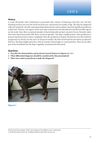 May 2019 in “Small Animal Dermatology”
 The dog has Color Dilution Alopecia, causing hair loss and increased risk of skin infections.
 1 citations
,
June 2022 in “Curēus”
1 citations
,
June 2022 in “Curēus” Early detection and multidisciplinary treatment are crucial for managing Papillon-Lefévre syndrome.
 October 2023 in “Journal of dermatological science”
 New mutations in MBTPS2 reduce its function and cause IFAP syndrome with unusual symptoms.
 19 citations
,
March 1988 in “International Journal of Dermatology”
19 citations
,
March 1988 in “International Journal of Dermatology” Hair shaft dysplasias are abnormal hair conditions that can be inherited or acquired and may signal other health issues, with limited treatment options available.
2 citations
,
August 2022 in “World Journal of Clinical Cases” Albumin and prednisone improved symptoms in a woman with Cronkhite-Canada syndrome, revealing potential genetic causes.
 1 citations
,
June 2015 in “Australasian Journal of Dermatology”
1 citations
,
June 2015 in “Australasian Journal of Dermatology” A patient with Cronkhite-Canada syndrome improved with nutritional support and steroids, but early diagnosis is key due to high mortality.