September 2019 in “The journal of investigative dermatology/Journal of investigative dermatology” Mononuclear cells may protect against certain chemotherapy-induced hair loss.
June 2019 in “Research Square (Research Square)” YH0618 granules may help prevent hair loss in breast cancer patients undergoing chemotherapy.
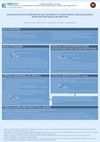
Scalp cooling is recommended to prevent chemotherapy-induced hair loss, but no effective drugs are available.
May 2019 in “Journal of clinical oncology” Topical calcitriol was safe and well-tolerated for potential hair loss prevention in chemotherapy patients.
 February 2019 in “IP Indian journal of clinical and experimental dermatology”
 Continuous use of hair relaxers and curlers can cause hair loss, dryness, dandruff, thinning, greying, and split ends.
 January 2019 in “Research Square (Research Square)”
 The trial will test if YH0618 granule prevents hair loss in breast cancer patients during chemotherapy.
 January 2019 in “Przegląd Dermatologiczny”
 Chemotherapy with docetaxel can cause painful nail and skin side effects that may lead to stopping treatment.
 November 2018 in “Annals of oncology”
 A scalp-cooling system effectively prevents hair loss in breast cancer patients treated with eribulin.
 October 2018 in “Annals of oncology”
 Topical calcitriol (BPM31543) is safe for preventing hair loss from chemotherapy and shows some effectiveness.
July 2018 in “IP Indian Journal of Clinical and Experimental Dermatology” Chemotherapy often causes hair loss, so patients should be counseled to reduce anxiety.
April 2018 in “The journal of investigative dermatology/Journal of investigative dermatology” A high-fat diet worsens neutrophilic folliculitis by increasing certain chemokines.
Hair transplant worked for a patient with a specific scalp condition after breast cancer chemotherapy.
January 2018 in “Iranian Journal of Pharmaceutical Sciences” Urea, eucalyptus oil, and menthol improve minoxidil skin absorption.
September 2017 in “Pure and Applied Biology” Chemotherapy and radiotherapy improved quality of life and reduced symptoms in lung cancer patients.
 April 2017 in “Journal of Investigative Dermatology”
 Chemotherapy and radiation therapy cause skin and hair damage by altering gene expression and signaling pathways.
February 2017 in “Cancer Research” Topical calcitriol appears safe and may reduce hair loss during chemotherapy.
January 2017 in “Digital Commons - University of South Florida (University of South Florida)” Hair loss from chemotherapy causes significant distress and affects social roles for ovarian and uterine cancer patients.
January 2017 in “Durham e-Theses (Durham University)” Chemical stressors damage hair structure but the skin's outer layer protects living cells.
 August 2016 in “Journal of Investigative Dermatology”
 Blocking the CCR5 receptor may be a new way to treat hair loss from alopecia areata.
 July 2016 in “Cancer Research”
 A topical lotion helped manage hair loss from chemotherapy by affecting cell death, inflammation, and collagen, with no side effects.
 April 2016 in “Journal of The American Academy of Dermatology”
 Using a niacinamide cream can improve life quality for breast cancer patients during chemotherapy.
 May 2015 in “Journal of The American Academy of Dermatology”
 Povidone-iodine nail solution effectively treats nail infections caused by chemotherapy.
 May 2015 in “Cancer Research”
 A new treatment may prevent hair loss from chemotherapy by normalizing scalp cell death and reducing inflammation.
 January 2015 in “Journal of clinical and investigative dermatology”
 Clipping is the best method to prepare rats for studying hair loss from chemotherapy because it causes less skin damage and effectively gets hair to the right growth phase.
January 2015 in “Georg Thieme Verlag eBooks” Chemical peeling and dermabrasion improve skin texture and appearance when done correctly.
January 2015 in “프로그램북(구 초록집)” Korean Red Ginseng may help prevent hair loss from chemotherapy.
 October 2014 in “Cancer Research”
 A new topical treatment may prevent hair loss from cancer therapy by adjusting cell death processes in hair follicles.

Chemicals and stem cells combined have advanced regenerative medicine with few safety concerns, focusing on improving techniques and treatment effectiveness.
 March 2014 in “Journal of The American Academy of Dermatology”
 A botanical extract may help manage hair loss from chemotherapy by preventing cell death in hair follicles.
 January 2014 in “Journal of Clinical and Investigative Dermatology”
 Young rats are better for testing hair loss treatments after chemotherapy.