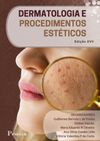
 September 2025 in “Editora Pasteur eBooks”
 Continuous learning and personalized treatments are crucial in dermatology due to rapid technological advancements.
 June 2025 in “Saratov Medical Journal”
 Ongoing research and innovation are crucial for improving skin care and treatment.
 December 2024 in “Clinical Cosmetic and Investigational Dermatology”
 Elderly patients with eruptive skin bumps may have clear cell syringoma linked to glucose issues.

Personalized, multidisciplinary care improves skin condition management and patient outcomes.
The US Military supports transgender health care, but many needed skin procedures aren't covered by insurance.
 June 2024 in “International journal of nanomedicine”
 Azelaic acid micro/nanocrystals, especially with ultrasound and salicylic acid, greatly improve acne treatment.
 April 2024 in “International journal of women's health”
 Adult female acne is a complex condition that can worsen with menopause, requiring holistic treatment and tailored skincare at different life stages.
 February 2024 in “Journal of Education, Health and Sport”
 Exosomes can help repair and heal tissues, improving health and vitality.
 August 2023 in “Repository of the University of Primorsk (University of Primorska)”
 A Western diet may increase acne risk, while a Mediterranean diet and certain supplements can help reduce it.
 July 2023 in “Indian Journal of Postgraduate Dermatology”
 Postgraduate dermatology students should focus on practical training, core dermatology, and systematic learning, especially in their second and third years.
 January 2020 in “Revista da Sociedade Portuguesa de Dermatologia e Venereologia”
 Frontal fibrosing alopecia in Brazil mostly affects postmenopausal women, often linked with hypothyroidism and eyebrow hair loss.
 January 2019 in “LASER THERAPY”
 Laser technologies improve medical treatments and outcomes.
 January 2019 in “Springer eBooks”
 Acne can appear or persist in adulthood due to hormonal changes, external factors, or substance use, and requires appropriate treatment.
Microneedle technology is effective for skin rejuvenation and enhancing cosmeceutical delivery, with ongoing innovation and increasing commercialization.
 January 2018 in “Springer eBooks”
 The document says that early treatment of Acne Vulgaris is important to prevent scarring and that adult onset acne is common in women, often due to hormonal imbalances.
Combining microneedling with platelet-rich plasma enhances skin repair and collagen production but may not offer significant extra benefits.
 January 2018 in “Springer eBooks”
 Different races and genders have unique skin and hair issues, requiring specialized care and more research for effective treatment.
 April 2014 in “Journal of evolution of medical and dental sciences”
 Women over forty can maintain skin and hair health with lifestyle and dietary changes.
 November 2013 in “John Wiley & Sons, Ltd eBooks”
 Skin symptoms can indicate endocrine disorders and have various treatments.
Use the least toxic, most specific treatments for skin diseases, considering side effects and individual patient needs.
 February 2010 in “Facial Plastic Surgery Clinics of North America”
 Tailoring facial plastic surgery to different ethnic groups ensures natural and satisfactory results.
 April 2009 in “Dermatologic Surgery”
 The document concludes that the first book on mesotherapy lacks convincing evidence, the second book is good for beginners in facial rejuvenation, and the third book is valuable for understanding complications in skin surgery.
 February 2009 in “Journal of The American Academy of Dermatology”
 Fractional infrared technology is effective and safe for treating cervical laxity.
 February 2009 in “Journal of The American Academy of Dermatology”
 Fractional infrared technology is effective and safe for treating cervical laxity.
 February 2009 in “Journal of The American Academy of Dermatology”
 Fractional infrared technology is effective and safe for treating cervical laxity.
 February 2009 in “Journal of The American Academy of Dermatology”
 Pulsed dye laser treatment was effective for a skin condition resistant to other treatments.
 December 2008 in “The American Journal of Cosmetic Surgery”
 Multi-pass laser skin treatments improved healing, reduced pain, and had no major complications.
 May 2006 in “Dermatologic Surgery”
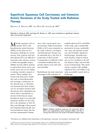
 Radiation therapy successfully treated an elderly man's skin cancer and pre-cancerous scalp lesions.
 February 2004 in “Plastic and Reconstructive Surgery”
 The book is a detailed guide on experimental wound healing methods, useful for researchers but not for clinicians.
 March 2001 in “International Journal of Cosmetic Surgery and Aesthetic Dermatology”
 The document covers books on cosmetic surgery and skin care, discussing legal and ethical issues, wound healing, the overlap of cosmetics and drugs, and detailed plastic surgery techniques.