 1 citations
,
January 2021 in “Skin appendage disorders”
1 citations
,
January 2021 in “Skin appendage disorders” Chemotherapy patients don't all lose their hair due to factors like hair growth rates, age, genetics, and the type of drugs used.
 1 citations
,
August 1978 in “Dicp-The annals of pharmacotherapy”
1 citations
,
August 1978 in “Dicp-The annals of pharmacotherapy” A liquid protein diet caused hair loss in a young woman.
 November 2025 in “International Journal of Recent Innovations in Medicine and Clinical Research”
 Understanding different types of hair loss helps in accurate diagnosis and treatment.
 51 citations
,
September 2015 in “Medical Clinics of North America”
51 citations
,
September 2015 in “Medical Clinics of North America” The conclusion is that acne, alopecia, and hyperhidrosis are common skin issues with various treatments available, and accurate diagnosis is key for effective management.
 26 citations
,
April 2009 in “Australasian Journal of Dermatology”
26 citations
,
April 2009 in “Australasian Journal of Dermatology” Spironolactone successfully treated hair loss in a 9-year-old girl.
 9 citations
,
March 1968 in “The BMJ”
9 citations
,
March 1968 in “The BMJ” A woman's severe skin reaction was caused by an allergy to a skin treatment.
 1 citations
,
July 2013 in “Hair transplant forum international”
1 citations
,
July 2013 in “Hair transplant forum international” Advancements in hair follicle culture have led to better understanding and potential treatments for hair loss.
 24 citations
,
July 1987 in “Dermatologic Clinics”
24 citations
,
July 1987 in “Dermatologic Clinics” Systemic diseases can cause hair loss, which is often reversible with treatment.
151 citations
,
August 2011 in “The EMBO Journal” The enzyme PA-PLA1α is important for proper hair follicle development.
 1 citations
,
April 2018 in “Our Dermatology Online”
1 citations
,
April 2018 in “Our Dermatology Online” Massaging the scalp with a cosmetic containing certain natural inhibitors can significantly regrow hair in men with pattern baldness.
November 2025 in “Cosmetics” Centella asiatica with growth factors improves hair and scalp health.
 5 citations
,
April 2018 in “Chem”
5 citations
,
April 2018 in “Chem” Graphene-based hair dye is a safe, durable, and effective alternative to traditional black hair dyes.
November 2025 in “Essential Chem” Eclipta alba may help hair regrowth by boosting cell growth.
 5 citations
,
February 2011 in “Expert Opinion on Drug Discovery”
5 citations
,
February 2011 in “Expert Opinion on Drug Discovery” We need better treatments for hair loss, and while test-tube methods are helpful, they can't fully replace animal tests for evaluating new hair growth treatments.
 6 citations
,
November 1996 in “Archives of Dermatology”
6 citations
,
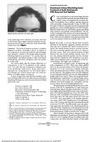
November 1996 in “Archives of Dermatology” G-CSF effectively treated a teenager's cyclic neutropenia and reduced her symptoms without adverse effects.
 44 citations
,
November 2010 in “Current Opinion in Supportive and Palliative Care”
44 citations
,
November 2010 in “Current Opinion in Supportive and Palliative Care” Many patients find hair loss from chemotherapy very distressing, and while treatments like minoxidil and scalp cooling may help, there is no sure way to prevent it.
 40 citations
,
August 2006 in “Current Drug Safety”
40 citations
,
August 2006 in “Current Drug Safety” Some drugs can cause hair loss, excessive growth, or color changes, often reversible but sometimes permanent.
 28 citations
,
January 2007 in “Dermatology”
28 citations
,
January 2007 in “Dermatology” Chemotherapy can cause rapid, extensive hair loss, with patterns varying between individuals.
 11 citations
,
June 1996 in “Nutrition”
11 citations
,
June 1996 in “Nutrition” Vitamin D3 may prevent hair loss from chemotherapy, but side effects and cancer cell protection are concerns.
 January 2019 in “Springer eBooks”
 Some chemicals and drugs can cause hair loss, which usually grows back after stopping the treatment.
 41 citations
,
October 2000 in “Dermatologic clinics”
41 citations
,
October 2000 in “Dermatologic clinics” Better hair care products are needed to protect against grooming and chemical damage.
 32 citations
,
December 2017 in “International Journal of Molecular Sciences”
32 citations
,
December 2017 in “International Journal of Molecular Sciences” Low vitamin D might be linked to certain types of hair loss, and supplements could help, but more research is needed.
 28 citations
,
February 1999 in “Journal of Investigative Dermatology”
28 citations
,
February 1999 in “Journal of Investigative Dermatology” Urokinase, a type of protein, helps skin cells multiply faster, especially in newborn mice.
 13 citations
,
July 2004 in “Skinmed”
13 citations
,
July 2004 in “Skinmed” Common types of non-scarring hair loss have various causes and treatments, but more effective solutions are needed.
 11 citations
,
January 2004 in “Exogenous dermatology”
11 citations
,
January 2004 in “Exogenous dermatology” Outside factors like grooming, chemicals, and the environment can damage hair and cause disorders.
 7 citations
,
September 2024 in “BMC Genomics”
7 citations
,
September 2024 in “BMC Genomics” Two genes, ERBB4 and ROR1, may cause the unique pigmentation in Lanping black-boned sheep.
 7 citations
,
March 2012 in “Journal of Investigative Dermatology”
7 citations
,
March 2012 in “Journal of Investigative Dermatology” Some thymic peptides can increase human hair growth, while others may inhibit it.
 3 citations
,
February 2005 in “Journal of Quantitative Spectroscopy & Radiative Transfer/Journal of quantitative spectroscopy & radiative transfer”
3 citations
,
February 2005 in “Journal of Quantitative Spectroscopy & Radiative Transfer/Journal of quantitative spectroscopy & radiative transfer” Iron and zinc levels in hair are not linked to hair loss from chemotherapy.
 January 2024 in “International Research Journal Of Modernization In Engineering Technology And Science”
 Licorice helps with acne, eczema, dandruff, hair growth, and skin health but may raise blood pressure.
 218 citations
,
January 2013 in “The Lancet Oncology”
218 citations
,
January 2013 in “The Lancet Oncology” Chemotherapy causes hair loss by damaging hair follicles and stem cells, with more research needed for prevention and treatment.