 2 citations
,
May 2018 in “Australasian Journal of Dermatology”
2 citations
,
May 2018 in “Australasian Journal of Dermatology” Some patients' hair grew back black and white after chemotherapy.
 53 citations
,
January 2007 in “Dermatology”
53 citations
,
January 2007 in “Dermatology” Chemotherapy often causes patterned hair loss, with some scalp areas more resistant to hair loss than others.
 33 citations
,
September 2012 in “Australasian Journal of Dermatology”
33 citations
,
September 2012 in “Australasian Journal of Dermatology” Chemotherapy can cause hair changes similar to alopecia areata, which might lead to misdiagnosis.
 6 citations
,
February 2016 in “The journal of investigative dermatology/Journal of investigative dermatology”
6 citations
,
February 2016 in “The journal of investigative dermatology/Journal of investigative dermatology” A new model using mice with human hair follicles helps better understand hair loss from chemotherapy.
 4 citations
,
January 2022 in “Skin appendage disorders”
4 citations
,
January 2022 in “Skin appendage disorders” Oral minoxidil may effectively treat hair loss from chemotherapy.
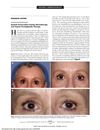 3 citations
,
July 2010 in “Archives of internal medicine”
3 citations
,
July 2010 in “Archives of internal medicine” A woman kept her eyelashes during chemotherapy possibly because of her glaucoma eye drops.
 1 citations
,
August 2019 in “Biomedical Journal of Scientific & Technical Research”
1 citations
,
August 2019 in “Biomedical Journal of Scientific & Technical Research” Early detection of chemotherapy side effects allows treatment adjustments, improving patient outcomes.
 1 citations
,
January 2015 in “Side effects of drugs annual”
1 citations
,
January 2015 in “Side effects of drugs annual” The document concludes that various dermatological treatments and drugs can cause skin reactions and side effects.

Ayurvedic herbs may reduce side effects and improve effectiveness of cancer treatments.
 23 citations
,
July 2018 in “Journal of Cosmetic Dermatology”
23 citations
,
July 2018 in “Journal of Cosmetic Dermatology” Chemotherapy caused hair loss with specific patterns, but most patients had hair regrowth after treatment, while some had lasting hair loss.
 12 citations
,
June 2019 in “Actas dermo-sifiliográficas/Actas dermo-sifiliográficas”
12 citations
,
June 2019 in “Actas dermo-sifiliográficas/Actas dermo-sifiliográficas” Proper skin toxicity management in chemotherapy is key to continuing treatment and keeping patient quality of life high.
 8 citations
,
April 2011 in “Surgery today”
8 citations
,
April 2011 in “Surgery today” A substance called sodium zinc dihydrolipoylhistidinate can significantly reduce hair loss caused by chemotherapy in rats.
 7 citations
,
December 2015 in “Journal of thermal biology”
7 citations
,
December 2015 in “Journal of thermal biology” Scalp cooling devices need to be powerful enough to overcome heat loss and reach the right temperature to prevent hair loss from chemotherapy.
 2 citations
,
August 2019 in “Asian journal of pharmaceutical and clinical research”
2 citations
,
August 2019 in “Asian journal of pharmaceutical and clinical research” Cinnamon bark extract may help prevent weight loss and hair loss in breast cancer patients during chemotherapy and is safe to use.
 January 2026 in “Supportive Care in Cancer”
 New cooling caps can help prevent hair loss from chemotherapy in a cost-effective and eco-friendly way.
 March 2025 in “MINAR International Journal of Applied Sciences and Technology”
 Certain genes can predict how well breast cancer patients respond to chemotherapy.
 March 2024 in “Research Square (Research Square)”
 Scalp cooling therapy helps preserve hair during chemotherapy for most patients.
 January 2022 in “International Journal of Science and Research (IJSR)”
 Certain medications can cause hair loss, which varies in severity and can be treated with specific drugs.
 January 2019 in “Research Square (Research Square)”
 The trial will test if YH0618 granule prevents hair loss in breast cancer patients during chemotherapy.
 159 citations
,
September 2001 in “European Journal of Cancer Care”
159 citations
,
September 2001 in “European Journal of Cancer Care” Chemotherapy-induced hair loss significantly affects patients' well-being, and nurses are key in helping them cope, but more research is needed to find effective treatments.
 153 citations
,
January 2001 in “Science”
153 citations
,
January 2001 in “Science” Using CDK inhibitors on rats showed a reduction in chemotherapy-caused hair loss, but later experiments could not repeat these results.
 141 citations
,
September 2016 in “European Journal of Dermatology”
141 citations
,
September 2016 in “European Journal of Dermatology” Taxane chemotherapy can cause skin, hair, and nail side effects, which are often under-reported and can affect patient quality of life.
 97 citations
,
September 2006 in “Pharmaceutical Research”
97 citations
,
September 2006 in “Pharmaceutical Research” No treatment fully prevents hair loss from chemotherapy yet.
 62 citations
,
February 2011 in “Expert review of dermatology”
62 citations
,
February 2011 in “Expert review of dermatology” Scalp cooling can reduce chemotherapy-induced hair loss and should be available in all hospitals.
 40 citations
,
August 2006 in “Current Drug Safety”
40 citations
,
August 2006 in “Current Drug Safety” Some drugs can cause hair loss, excessive growth, or color changes, often reversible but sometimes permanent.
 36 citations
,
May 2015 in “Australasian Journal of Dermatology”
36 citations
,
May 2015 in “Australasian Journal of Dermatology” Low dose oral minoxidil helps regrow hair in permanent chemotherapy-induced alopecia.
 34 citations
,
January 2018 in “International Journal of Dermatology”
34 citations
,
January 2018 in “International Journal of Dermatology” Scalp cooling is the most effective FDA-approved method to prevent chemotherapy-induced hair loss, but more research is needed for other treatments.
 31 citations
,
January 1981 in “Pharmacology & Therapeutics”
31 citations
,
January 1981 in “Pharmacology & Therapeutics” Oral retinoids are effective for treating severe skin disorders but have reversible side effects and risks for pregnant women.
 28 citations
,
January 2007 in “Dermatology”
28 citations
,
January 2007 in “Dermatology” Chemotherapy can cause rapid, extensive hair loss, with patterns varying between individuals.
 20 citations
,
July 2013 in “PLoS ONE”
20 citations
,
July 2013 in “PLoS ONE” Targeting EGFR may help reduce hair loss from chemotherapy.