 October 2018 in “Annals of oncology”
 Topical calcitriol (BPM31543) is safe for preventing hair loss from chemotherapy and shows some effectiveness.
February 2017 in “Cancer Research” Topical calcitriol appears safe and may reduce hair loss during chemotherapy.
January 2017 in “Digital Commons - University of South Florida (University of South Florida)” Hair loss from chemotherapy causes significant distress and affects social roles for ovarian and uterine cancer patients.
 July 2016 in “Cancer Research”
 A topical lotion helped manage hair loss from chemotherapy by affecting cell death, inflammation, and collagen, with no side effects.
 May 2015 in “Cancer Research”
 A new treatment may prevent hair loss from chemotherapy by normalizing scalp cell death and reducing inflammation.
 January 2015 in “Journal of clinical and investigative dermatology”
 Clipping is the best method to prepare rats for studying hair loss from chemotherapy because it causes less skin damage and effectively gets hair to the right growth phase.
January 2015 in “프로그램북(구 초록집)” Korean Red Ginseng may help prevent hair loss from chemotherapy.
 October 2014 in “Cancer Research”
 A new topical treatment may prevent hair loss from cancer therapy by adjusting cell death processes in hair follicles.
 March 2014 in “Journal of The American Academy of Dermatology”
 A botanical extract may help manage hair loss from chemotherapy by preventing cell death in hair follicles.
 January 2014 in “Journal of Clinical and Investigative Dermatology”
 Young rats are better for testing hair loss treatments after chemotherapy.
 April 2013 in “Cancer Research”
 A botanical extract was found to be a safe treatment that may prevent hair loss in chemotherapy patients.
January 2013 in “Seoul National University Open Repository (Seoul National University)” Epidermal growth factor helps hair regrow after chemotherapy.
 14 citations
,
January 2013 in “Journal of Cutaneous Medicine and Surgery”
14 citations
,
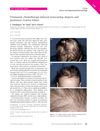
January 2013 in “Journal of Cutaneous Medicine and Surgery” Some cancer treatments can cause permanent hair loss.
 5 citations
,
March 2015 in “Clinical and Experimental Dermatology”
5 citations
,
March 2015 in “Clinical and Experimental Dermatology” Chemotherapy caused a woman's permanent hair loss and early menopause.
 September 2025 in “PubMed”
 Prevent persistent hair loss after chemotherapy with scalp cooling and early minoxidil use.
 June 2024 in “British Journal of Dermatology”
 Permanent hair loss from chemotherapy significantly impacts patients' mental health and social life, highlighting the need for better patient education and support.
 59 citations
,
August 2018 in “The oncologist”
59 citations
,
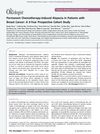
August 2018 in “The oncologist” Some breast cancer patients still experience hair loss three years after chemotherapy, especially with taxane-based treatments.
 February 2025 in “Pediatric Dermatology”
 Some pediatric Ewing's sarcoma patients may experience permanent hair loss after chemotherapy, and treatments might not fully restore hair.
 September 2024 in “Journal of the American Academy of Dermatology”
 PRP treatment may help improve hair density and thickness in breast cancer patients with therapy-induced hair loss.
1 citations
,
April 2024 in “Anais Brasileiros de Dermatologia” 76 citations
,
January 2004 in “Journal of Investigative Dermatology”  July 2022 in “International Journal of Applied Pharmaceutics”
 The optimized caffeine formula improved hair growth and penetrated all skin layers.
 November 2021 in “Research Square (Research Square)”
 The new caffeine cream works better for hair growth than existing products.
May 2026 in “Bioorganic Chemistry” Fenugreek seeds and Butea monosperma flowers may help reduce hair loss from chemotherapy.
 218 citations
,
January 2013 in “The Lancet Oncology”
218 citations
,
January 2013 in “The Lancet Oncology” Chemotherapy causes hair loss by damaging hair follicles and stem cells, with more research needed for prevention and treatment.
 62 citations
,
February 2011 in “Expert review of dermatology”
62 citations
,
February 2011 in “Expert review of dermatology” Scalp cooling can reduce chemotherapy-induced hair loss and should be available in all hospitals.
58 citations
,
September 2019 in “EMBO Molecular Medicine” CDK4/6 inhibitors can protect hair cells from chemotherapy damage.
 49 citations
,
October 1994 in “Annals of Oncology”
49 citations
,
October 1994 in “Annals of Oncology” Minoxidil not effective in preventing chemotherapy-induced hair loss.
 37 citations
,
April 2010 in “FEBS Letters”
37 citations
,
April 2010 in “FEBS Letters” The study concludes that the EDA2R gene is activated by p53 during chemotherapy but is not necessary for chemotherapy-induced hair loss.