 April 2023 in “Journal of Investigative Dermatology”
 ALRN-6924 can protect hair follicles from chemotherapy damage by temporarily stopping cell division.
9 citations
,
June 2021 in “Biological reviews/Biological reviews of the Cambridge Philosophical Society” Understanding molecular pathways is key to improving organ regeneration.
 19 citations
,
November 2018 in “Nutrients”
19 citations
,
November 2018 in “Nutrients” Annurca apple extract may protect mouse hair from damage by chemotherapy and could help treat hair loss without promoting cancer growth.
 May 2026 in “International Journal of Molecular Sciences”
 Chemotherapy-induced hair loss may be linked to immune system changes, and certain treatments could help but need careful use.
2 citations
,
January 2023 in “Frontiers in Oncology” Mild oxidative stress can prevent hair loss from chemotherapy.
 2 citations
,
January 2012 in “InTech eBooks”
2 citations
,
January 2012 in “InTech eBooks” Chemotherapy often causes hair loss, which usually grows back within 3 to 6 months, but there's no effective treatment to prevent it.
13 citations
,
July 2017 in “Annals of Oncology” Chemotherapy toxicity might be reduced by using DNA neutralizing agents.
24 citations
,
December 2011 in “International Journal of Cancer” PTH-CBD agonists may help regrow hair after chemotherapy.
 1 citations
,
August 2024 in “Pharmaceuticals”
1 citations
,
August 2024 in “Pharmaceuticals” Goat placenta extract in a special delivery system improved hair growth and thickness in chemotherapy patients.
October 2025 in “Journal of Drug Delivery Science and Technology” Resveratrol-loaded carriers may help reduce hair loss from chemotherapy when used with scalp cooling.
 2 citations
,
May 2018 in “Australasian Journal of Dermatology”
2 citations
,
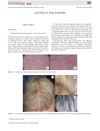
May 2018 in “Australasian Journal of Dermatology” Some patients' hair grew back black and white after chemotherapy.
 January 2024 in “International Journal of Health Science”
 Scalp cooling and low-power light therapy show promise in reducing chemotherapy-induced hair loss but need more research.
January 2013 in “Seoul National University Open Repository (Seoul National University)” Epidermal growth factor helps hair regrow after chemotherapy.
 23 citations
,
July 2018 in “Journal of Cosmetic Dermatology”
23 citations
,
July 2018 in “Journal of Cosmetic Dermatology” Chemotherapy caused hair loss with specific patterns, but most patients had hair regrowth after treatment, while some had lasting hair loss.
 June 2008 in “Experimental dermatology”
 Melatonin protects skin and hair from damage and stress by acting as an antioxidant and influencing cell growth.
 21 citations
,
October 2018 in “European Journal of Pharmacology”
21 citations
,
October 2018 in “European Journal of Pharmacology” Chemotherapy can cause brain inflammation and damage, and understanding this process could help manage side effects.
Activating certain hair follicle cells could prevent hair loss from cancer treatments.
 17 citations
,
January 2019 in “Journal of cancer”
17 citations
,
January 2019 in “Journal of cancer” The formula YH0618 can reduce the harmful side effects of the chemotherapy drug Doxorubicin and protect healthy cells.
2 citations
,
February 2025 in “Free Radical Biology and Medicine” Blocking S100A8 can reduce chemotherapy-induced hair loss.
52 citations
,
May 2011 in “APOPTOSIS” Hydroxyl radicals cause hair follicle cell death during chemotherapy by reducing Bcl-2 protein levels.
 10 citations
,
January 2015 in “Journal of Cutaneous Medicine and Surgery”
10 citations
,
January 2015 in “Journal of Cutaneous Medicine and Surgery” Cold caps and certain drugs may help prevent or reduce hair loss from chemotherapy, but more research is needed.
8 citations
,
September 2015 in “Radiotherapy and oncology” Scalp cooling does not stop hair loss from radiotherapy.
 70 citations
,
January 2000 in “Drug Development Research”
70 citations
,
January 2000 in “Drug Development Research” New butyric acid prodrugs show promise for cancer treatment, anemia management, and protecting hair from chemotherapy damage.
 April 2017 in “Journal of Investigative Dermatology”
 Chemotherapy and radiation therapy cause skin and hair damage by altering gene expression and signaling pathways.
Fumai Paste helps heal skin damage from chemotherapy better than magnesium sulfate.
 June 2024 in “Journal of clinical oncology”
 Scalp cooling can effectively prevent hair loss during chemotherapy, improving patients' quality of life.
 June 2025 in “Cancer Management and Research”
 Improving hair health and managing conditions can enhance scalp cooling effectiveness in preventing hair loss during chemotherapy.
64 citations
,
January 2001 in “Pharmacotherapy The Journal of Human Pharmacology and Drug Therapy” Misoprostol has many medical benefits, including protecting against injuries, aiding in disease treatment, and improving drug effects.
 1 citations
,
January 2018 in “Springer eBooks”
1 citations
,
January 2018 in “Springer eBooks” The document concludes that scalp cooling and treatments like minoxidil can help manage hair loss from cancer therapy.
57 citations
,
October 1996 in “Dermatologic clinics” HA-MNs with MXD effectively treat hair loss better than topical MXD with fewer side effects.