 153 citations
,
January 2001 in “Science”
153 citations
,
January 2001 in “Science” Using CDK inhibitors on rats showed a reduction in chemotherapy-caused hair loss, but later experiments could not repeat these results.
 103 citations
,
December 2011 in “Journal of the American Academy of Dermatology”
103 citations
,
December 2011 in “Journal of the American Academy of Dermatology” Chemotherapy often causes temporary hair loss, which is distressing and needs better treatment and support.
 97 citations
,
September 2006 in “Pharmaceutical Research”
97 citations
,
September 2006 in “Pharmaceutical Research” No treatment fully prevents hair loss from chemotherapy yet.
 76 citations
,
August 2007 in “Supportive care in cancer”
76 citations
,
August 2007 in “Supportive care in cancer” Chemotherapy often causes skin, nail, and hair side effects, significantly impacting quality of life.
 67 citations
,
May 2010 in “Journal of The American Academy of Dermatology”
67 citations
,
May 2010 in “Journal of The American Academy of Dermatology” Some chemotherapy can cause permanent hair loss.
 64 citations
,
July 2011 in “Dermatologic Therapy”
64 citations
,
July 2011 in “Dermatologic Therapy” Scalp cooling can prevent chemotherapy-induced hair loss, and certain treatments can speed up hair regrowth, but more research is needed for better treatments.
 62 citations
,
February 2011 in “Expert review of dermatology”
62 citations
,
February 2011 in “Expert review of dermatology” Scalp cooling can reduce chemotherapy-induced hair loss and should be available in all hospitals.
 48 citations
,
February 2017 in “Journal of Cosmetic Dermatology”
48 citations
,
February 2017 in “Journal of Cosmetic Dermatology” The conclusion is to use scalp cooling, gentle hair care, and treatments like minoxidil for managing hair loss from chemotherapy, and stresses the need for more research and collaboration in this area.
 43 citations
,
June 2012 in “Lasers in Medical Science”
43 citations
,
June 2012 in “Lasers in Medical Science” Low-level laser treatment helped rats regrow hair faster after chemotherapy.
 36 citations
,
May 2015 in “Australasian Journal of Dermatology”
36 citations
,
May 2015 in “Australasian Journal of Dermatology” Low dose oral minoxidil helps regrow hair in permanent chemotherapy-induced alopecia.
 34 citations
,
January 2018 in “International Journal of Dermatology”
34 citations
,
January 2018 in “International Journal of Dermatology” Scalp cooling is the most effective FDA-approved method to prevent chemotherapy-induced hair loss, but more research is needed for other treatments.
 21 citations
,
January 2015 in “Oncology Research and Treatment”
21 citations
,
January 2015 in “Oncology Research and Treatment” Scalp cooling can prevent hair loss in 65% of chemotherapy patients, especially effective in breast cancer patients and certain chemotherapy types.
 19 citations
,
October 2011 in “Clinics in Dermatology”
19 citations
,
October 2011 in “Clinics in Dermatology” New chemotherapy drugs cause skin side effects, but treatments like minocycline and tetracycline can help reduce them.
 15 citations
,
January 2015 in “Skin Pharmacology and Physiology”
15 citations
,
January 2015 in “Skin Pharmacology and Physiology” Parathyroid hormones are important for hair growth, but their use in treating hair loss from chemotherapy is still uncertain.
 14 citations
,
January 2013 in “Journal of Cutaneous Medicine and Surgery”
14 citations
,
January 2013 in “Journal of Cutaneous Medicine and Surgery” Some cancer treatments can cause permanent hair loss.
 11 citations
,
June 1996 in “Nutrition”
11 citations
,
June 1996 in “Nutrition” Vitamin D3 may prevent hair loss from chemotherapy, but side effects and cancer cell protection are concerns.
 6 citations
,
February 2016 in “The journal of investigative dermatology/Journal of investigative dermatology”
6 citations
,
February 2016 in “The journal of investigative dermatology/Journal of investigative dermatology” A new model using mice with human hair follicles helps better understand hair loss from chemotherapy.
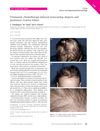 5 citations
,
March 2015 in “Clinical and Experimental Dermatology”
5 citations
,
March 2015 in “Clinical and Experimental Dermatology” Chemotherapy caused a woman's permanent hair loss and early menopause.
 4 citations
,
July 2020 in “BMC Complementary Medicine and Therapies”
4 citations
,
July 2020 in “BMC Complementary Medicine and Therapies” Human placenta helps hair grow back after chemotherapy by blocking cell death and increasing hair follicle growth.
 3 citations
,
May 1980 in “American Journal of Nursing”
3 citations
,
May 1980 in “American Journal of Nursing” Scalp tourniquets did not significantly prevent hair loss from chemotherapy.

Permanent micropigmentation can help cancer survivors feel better about themselves by restoring eyebrows lost during chemotherapy.
 January 2014 in “Journal of Clinical and Investigative Dermatology”
 Young rats are better for testing hair loss treatments after chemotherapy.
 March 2014 in “Journal of The American Academy of Dermatology”
 A botanical extract may help manage hair loss from chemotherapy by preventing cell death in hair follicles.
 24 citations
,
September 2001 in “Journal of Dermatological Science”
24 citations
,
September 2001 in “Journal of Dermatological Science” Cyclosporin A helps damaged hair follicles regrow hair quickly.
 January 2024 in “GeroScience”
 Using radiation to make mice's hair turn gray helps study and find ways to prevent or reverse hair graying.
 59 citations
,
August 2018 in “The oncologist”
59 citations
,
August 2018 in “The oncologist” Some breast cancer patients still experience hair loss three years after chemotherapy, especially with taxane-based treatments.
 April 2019 in “Journal of Investigative Dermatology”
 Caffeine can protect scalp hair follicles from damage caused by UV radiation.
 16 citations
,
November 2009 in “Experimental dermatology”
16 citations
,
November 2009 in “Experimental dermatology” Ionizing radiation damages human hair follicles by stopping cell growth, causing cell death, disrupting color, and increasing stress and damage markers.
 31 citations
,
February 2019 in “International Journal of Cosmetic Science”
31 citations
,
February 2019 in “International Journal of Cosmetic Science” Caffeine applied to the scalp can protect hair follicles from UV damage.
 3 citations
,
August 2020 in “Cutaneous and Ocular Toxicology”
3 citations
,
August 2020 in “Cutaneous and Ocular Toxicology” ATP helps prevent skin damage from vandetanib by reducing stress.