 17 citations
,
December 2013 in “Journal of Investigative Dermatology Symposium Proceedings”
17 citations
,
December 2013 in “Journal of Investigative Dermatology Symposium Proceedings” Bimatoprost is safe and effective for treating eyelash loss caused by chemotherapy.
 September 2024 in “Journal of the American Academy of Dermatology”
 Facebook groups play a crucial role in supporting and guiding patients on scalp cooling and hair loss during chemotherapy.
5 citations
,
July 2010 in “Archives of Internal Medicine” Prostaglandins may protect hair follicles during chemotherapy.
 3 citations
,
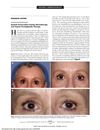
July 2010 in “Archives of internal medicine”
3 citations
,
July 2010 in “Archives of internal medicine” A woman kept her eyelashes during chemotherapy possibly because of her glaucoma eye drops.
 2 citations
,
February 2016 in “British Journal of Dermatology”
2 citations
,
February 2016 in “British Journal of Dermatology” Bimatoprost solution 0.03% is effective for treating sparse eyelashes.
 4 citations
,
March 2023 in “Current Oncology”
4 citations
,
March 2023 in “Current Oncology” Scalp cooling is the only FDA-approved method to prevent hair loss from chemotherapy, but other treatments like minoxidil and PRP are being tested.
1 citations
,
December 2019 in “Clinical ophthalmology” Bimatoprost eye drops make rabbit eyelashes longer, thicker, and darker, and increase the number of lashes without causing inflammation.
 31 citations
,
January 2015 in “Journal of The American Academy of Dermatology”
31 citations
,
January 2015 in “Journal of The American Academy of Dermatology” Prostaglandin F2α analogs show promise for treating certain types of hair loss but need more research for other skin conditions.
 March 2012 in “Journal of The American Academy of Dermatology”
 Hair casts are often mistaken for head lice, scalp pain in hair loss is linked to certain nerve factors, eyelash growth treatment is safe and effective, and nail shedding in children may follow hand-foot-mouth disease.
 9 citations
,
December 2020 in “Dermatologic Therapy”
9 citations
,
December 2020 in “Dermatologic Therapy” Certain drugs are effective for skin conditions like psoriasis, vitiligo, and hair loss.
 March 2024 in “Research Square (Research Square)”
 Scalp cooling therapy helps preserve hair during chemotherapy for most patients.
 November 2021 in “Austin therapeutics”
 Current treatments for hair loss from chemotherapy are limited, but new methods are being researched.
 2 citations
,
October 2016
2 citations
,
October 2016 Chemotherapy and radiotherapy can cause skin side effects like rashes, hair loss, and nail changes, which are usually managed with conservative treatments.
May 2021 in “Kahramanmaraş Sütçü İmam Üniversitesi Tıp Fakültesi Dergisi” Most women undergoing chemotherapy experience hair loss, and many cope by using wigs or bonnets.
 July 2025 in “Pharmaceuticals”
 Phenobarbital-loaded chitosan nanoparticles are promising for preventing hair loss from chemotherapy.
 34 citations
,
January 2018 in “International Journal of Dermatology”
34 citations
,
January 2018 in “International Journal of Dermatology” Scalp cooling is the most effective FDA-approved method to prevent chemotherapy-induced hair loss, but more research is needed for other treatments.
 7 citations
,
October 2019 in “Klinická onkologie”
7 citations
,
October 2019 in “Klinická onkologie” Cancer treatments often cause hair loss and damage, affecting patients' mental health.
 October 2021 in “International journal of basic and clinical pharmacology”
 Excessive eyelash growth from erlotinib may indicate positive tumor response and help treat madarosis.
11 citations
,
August 2017 in “Supportive care in cancer” Madarosis (eyebrow and eyelash loss) significantly affects quality of life for breast cancer patients on taxane-based chemotherapy.
 September 2024 in “Current Oncology”
 Docetaxel often causes hair loss, with limited effective treatments and no cure for permanent hair loss.
 53 citations
,
April 2018 in “Journal of The American Academy of Dermatology”
53 citations
,
April 2018 in “Journal of The American Academy of Dermatology” Cancer treatments often cause hair disorders, significantly affecting patients' quality of life, and better management methods are needed.
 7 citations
,
May 2014 in “Clinical practice”
7 citations
,
May 2014 in “Clinical practice” Cooling the scalp may prevent hair loss from chemotherapy, hair often grows back after treatment, and nail issues usually improve after stopping the drug.
 September 2025 in “PubMed”
 Prevent persistent hair loss after chemotherapy with scalp cooling and early minoxidil use.
17 citations
,
June 2020 in “Anais brasileiros de dermatologia/Anais Brasileiros de Dermatologia” Scalp cooling is an effective way to prevent hair loss from chemotherapy.
 3 citations
,
July 2019 in “Supportive Care in Cancer”
3 citations
,
July 2019 in “Supportive Care in Cancer” The lotion CG428 did not show effectiveness in treating permanent hair loss in breast cancer survivors.
May 2015 in “Cancer research” After chemotherapy for early breast cancer, 33.4% of patients had long-term significant hair loss, with some hair regrowth over time, but treatments for hair loss were largely ineffective.
Permanent micropigmentation can help cancer survivors feel better about themselves by restoring eyebrows lost during chemotherapy.
 4 citations
,
February 2022 in “JAAD case reports”
4 citations
,
February 2022 in “JAAD case reports” The document concludes that low-dose oral minoxidil successfully regrew hair in a patient with permanent hair loss after chemotherapy and stem cell transplant.
 16 citations
,
March 2016 in “Clinical ophthalmology”
16 citations
,
March 2016 in “Clinical ophthalmology” Bimatoprost is safe and improves eyelash growth in healthy kids but not in those with eyelash loss from chemotherapy or alopecia.
2 citations
,
June 2024 in “JAAD reviews.” Some drugs can cause permanent hair loss, though it's rare.