Search
for
Sort by
Research
480-510 / 1000+ resultsresearch Characterization of Bsk mice: I. The Bsk mutation does not involve a recombination of cornea-specific keratin 12 and skin-specific hair keratin genes.
The Bsk mutation doesn't involve keratin gene recombination and its cause is unknown.

research INTERFERONS IN DERMATOLOGY
Interferons are effective for some skin conditions and cancers, but can have side effects and need more research for optimal use.
research 057 Single cell RNA and TCR sequencing reveals hyperexpansion of T cell clones and novel regulatory mechanisms of CD8+ T cells in murine alopcecia areata skin and draining lymph nodes
CD8+ T cells expand significantly in alopecia areata, suggesting new treatment targets.
research A Fluorescence-based Lymphocyte Assay Suitable for High-throughput Screening of Small Molecules
The assay effectively identifies compounds that affect immune cell activation.
research Assessment of vitamin D receptors in alopecia areata and androgenetic alopecia
Low vitamin D receptor levels found in hair loss patients; topical vitamin D treatment suggested.

research Psoriasis patients demonstrate HLA-Cw*06:02 allele dosage-dependent T cell proliferation when treated with hair follicle-derived keratin 17 protein
Psoriasis patients' immune response to a hair protein depends on their specific gene type.

research Pseudo Pemphigus Phenotypes in Mice with Inactivated Desmoglein 3
Mice with a mutated Dsg3 gene showed severe symptoms but not the typical blistering of pemphigus vulgaris.
research Image 1_A meta-analysis of chemokines in alopecia areata: recruiting immune cells toward the hair follicle.png
Alopecia areata involves complex immune responses, suggesting broader treatments could help.
research High-throughput T cell receptor sequencing identifies clonally expanded CD8+ T cell populations in alopecia areata
CD8+ T cells are involved in alopecia areata and may cause disease relapse.
research Immunohistochemical analysis of T-cell subsets in the inflammatory infiltrates of alopecia areata and its comparison with androgenetic alopecia
T-cell patterns in skin help distinguish alopecia areata from androgenetic alopecia.
research Transfection of rat dermal papilla cells with a gene encoding a temperature-sensitive polyomavirus large T antigen generates cell lines retaining a differentiated phenotype
Immortalized rat dermal papilla cells can still induce hair growth.
research Filaggrin mutations as an archetype for understanding the pathophysiology of atopic dermatitis
Filaggrin mutations are linked to atopic dermatitis and help explain how genetics and environment affect the disease.

research Abstracts
Get head MRI for babies with achondroplasia early, use free immunoglobulin light chains to detect certain neurodevelopmental disorders, and video calls work for speech therapy in patients with facial anomalies.
research Heterogeneous disease: A child case of lichen planus pemphigoides triggered by varicella
A child's rare skin disease was triggered by chickenpox.
research Skin diseases associated with hepatitis C virus: Facts and controversies
Hepatitis C virus can cause skin diseases and dermatologists play a crucial role in identifying these conditions.
research Chitinase 3-Like 1 and C-X-C motif chemokine ligand 5 proteins and the hair cycle
CHI3L1 and CXCL5 proteins help promote hair growth.
research Alopecia in association with severe seborrhoeic dermatitis following combination antiretroviral therapy for acute retroviral syndrome
A man with HIV developed skin and hair issues after starting HIV treatment, which improved with topical treatment.
research Vitamin D receptor gene polymorphisms are not associated with alopecia areata
Vitamin D receptor gene variations are not linked to alopecia areata.
research Missense mutation Y449H of the K10 gene in a patient with severe epidermolytic ichthyosis
A specific gene mutation (Y449H in K10) was found in a patient with severe skin disorder.
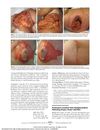
research Permanent Localized Hair Repigmentation Following Herpes Zoster Infection
Herpes zoster infection can cause permanent hair color change in the affected area.
research Expression of Langerhans cell antigens in the hair follicles in alopecia areata
![[4-t-Butylphenyl]-N-(4-imidazol-1-yl phenyl)sulfonamide (ISCK03) Inhibits SCF/c-kit Signaling in 501mel Human Melanoma Cells and Abolishes Melanin Production in Mice and Brownish Guinea Pigs](/images/assets/4eb017dc-711d-4926-bcd0-c3b8f48e3a99/small/19974.jpg)
research [4-t-Butylphenyl]-N-(4-imidazol-1-yl phenyl)sulfonamide (ISCK03) inhibits SCF/c-kit signaling in 501mel human melanoma cells and abolishes melanin production in mice and brownish guinea pigs
ISCK03 stops melanin production in human melanoma cells and lightens skin color in mice and guinea pigs.

research 560 Isolation of an “early” transit amplifying keratinocyte population in interfollicular human epidermis: a role for CD271 receptor
Scientists found a new type of skin cell that could help with skin repair and these cells work better with a certain protein.

research Hair Follicle Disruption Facilitates Pathogenesis to UVB-Induced Cutaneous Inflammation and Basal Cell Carcinoma Development in Ptch+/− Mice
Damaged hair follicles make mice more prone to skin inflammation and skin cancer after UV exposure.
research Novel de novo pathogenic variant in the ODC1 gene in a girl with developmental delay, alopecia, and dysmorphic features
A new genetic mutation in the ODC1 gene causes developmental delay and other symptoms in a young girl.

research Vogt-Koyanagi-Harada Disease in which Poliosis and Alopecia Occurred after a Long Period of Time.
A man with a rare disease experienced late hair whitening and loss, but hair color returned, suggesting a good outlook.
research High throughput T cell receptor sequencing identifies clonally expanded CD8+ T cell populations in Alopecia Areata
Expanded CD8+ T cells are linked to Alopecia Areata and may cause relapse after treatment.
research Common Variants in the Trichohyalin Gene Are Associated with Straight Hair in Europeans
Common variants in the Trichohyalin gene are linked to straight hair in Europeans.

research Dermatological manifestations associated with COVID‐19 and COVID‐19 vaccination: results from the Lebanese COVID registry
COVID-19 and its vaccines can cause various skin issues, with urticaria being the most common.