
Alopecia areata is an autoimmune disease affecting hair follicles and may harm heart health.
 April 2014 in “Jurnal Biomedik : JBM”
 An 8-year-old girl had nail and hair issues that improved without specific treatment, but fungal nail infection was hard to cure.
 February 2013 in “Journal of the American Academy of Dermatology”
 Certain gene variations might increase the risk of a hair loss condition in Koreans.
 February 2010 in “Journal of The American Academy of Dermatology”
 Babies born after 38 weeks to mothers under 36 years old and not delivered by C-section have a higher risk of neonatal occipital alopecia.
 September 2009 in “European journal of paediatric neurology”
 Biotin supplements did not significantly reduce hair loss in rats on valproic acid.
 September 1997 in “JEADV. Journal of the European Academy of Dermatology and Venereology/Journal of the European Academy of Dermatology and Venereology”
 Psychological factors play a significant role in developing alopecia areata.
 July 2011 in “British Journal of Dermatology”
 Hormone treatment caused hair loss, finasteride helped regrowth.
 4 citations
,
July 2022 in “Journal of health economics and outcomes research”
4 citations
,
July 2022 in “Journal of health economics and outcomes research” Alopecia areata in US adolescents leads to significant healthcare costs and usage.
 16 citations
,
January 2015 in “Current problems in dermatology”
16 citations
,
January 2015 in “Current problems in dermatology” Alopecia Areata is an autoimmune hair loss condition that needs more research for better treatments.
 1 citations
,
May 2017 in “InTech eBooks”
1 citations
,
May 2017 in “InTech eBooks” The document concludes that alopecia areata is an unpredictable autoimmune hair loss condition with no cure, but various treatments exist that require personalized approaches.
 October 2014 in “Aktuelle Dermatologie”
 A 19-year-old with MRKHS developed complete hair loss, and treatment options were discussed.
 124 citations
,
June 2002 in “Best Practice & Research Clinical Endocrinology & Metabolism”
124 citations
,
June 2002 in “Best Practice & Research Clinical Endocrinology & Metabolism” Polycystic Ovary Syndrome likely starts in childhood and may be genetic and influenced by early hormone exposure.
 25 citations
,
September 2010 in “Journal of Cutaneous Medicine and Surgery”
25 citations
,
September 2010 in “Journal of Cutaneous Medicine and Surgery” The study found that Central Centrifugal Cicatricial Alopecia mainly affects middle-aged African descent women, is linked to certain hair care practices and genetics, and often goes undiagnosed for years.
 18 citations
,
July 2018 in “Turk Pediatri Arsivi-turkish Archives of Pediatrics”
18 citations
,
July 2018 in “Turk Pediatri Arsivi-turkish Archives of Pediatrics” Skin diseases in Turkish children vary by age and gender, with infections, eczema, acne, and allergies most common.
 14 citations
,
January 2005 in “Pediatric Dermatology”
14 citations
,
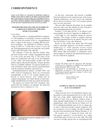
January 2005 in “Pediatric Dermatology” UVA1-light therapy successfully treated a child's skin condition, mycosis fungoides.
 November 2018 in “Springer eBooks”
 Children need early diagnosis and treatment for iron-deficiency anemia to prevent learning problems and promote health.
Hair loss in African American women, caused by hair care, genetics, and environment, needs more research for better treatment.
 20 citations
,
November 2013 in “The Open Cancer Journal”
20 citations
,
November 2013 in “The Open Cancer Journal” Hair loss from cancer treatment is very distressing for women due to its impact on self-image and social stigma.
 38 citations
,
July 2010 in “Clinical, cosmetic and investigational dermatology”
38 citations
,
July 2010 in “Clinical, cosmetic and investigational dermatology” To treat tinea capitis in children, oral antifungal medication is necessary, with newer drugs offering shorter treatment times than the traditional griseofulvin.
 40 citations
,
March 2016 in “The Journal of Clinical Endocrinology & Metabolism”
40 citations
,
March 2016 in “The Journal of Clinical Endocrinology & Metabolism” Young girls whose mothers have PCOS may have higher activity of a specific enzyme that could lead to developing PCOS later.
 September 2022 in “Dermatology and therapy”
 Contact immunotherapy might help treat various skin conditions, but more research is needed to confirm its safety and effectiveness.
 November 2021 in “Research Square (Research Square)”
 A 16-year-old boy with lupus had a rare brain artery issue but fully recovered with treatment.
 9 citations
,
October 2013 in “Pediatric dermatology”
9 citations
,
October 2013 in “Pediatric dermatology” Proper antifungal treatment is crucial to avoid misdiagnosis and prevent scarring alopecia.

Diagnosing and managing monilethrix is harder when it occurs with other hair loss conditions.

Diagnosing and managing monilethrix is harder when it occurs with other hair loss conditions.
March 2026 in “Skin Appendage Disorders” Diagnosing and treating monilethrix is challenging when it occurs with other hair disorders.
November 2025 in “Journal of Investigative Dermatology” Alopecia areata requires addressing both emotional and financial challenges for better patient care.
October 2005 in “CRC Press eBooks”  46 citations
,
October 2009 in “Archives of Dermatology”
46 citations
,
October 2009 in “Archives of Dermatology” Loose anagen hair syndrome, often affecting young girls, can be diagnosed with a hair-pull test and usually gets better on its own, but severe cases may need treatment.
 2 citations
,
December 2007 in “Expert Review of Dermatology”
2 citations
,
December 2007 in “Expert Review of Dermatology” The document concludes that early diagnosis and treatment are key for pediatric hair loss disorders, and addressing the emotional effects on children is important.